

Cast Iron Garden Furniture: A Guide for Hong Kong Homes
Cast iron garden furniture has graced outdoor spaces for centuries, and in 2026, this traditional material continues to captivate homeowners in Hong Kong who seek pieces that combine historical elegance with remarkable durability. While modern materials like powder-coated aluminum and all-weather rope dominate today's outdoor furniture market, cast iron offers something distinctly different: a sense of permanence, weight, and classical beauty that transforms gardens, rooftops, and balconies into timeless retreats. For Hong Kong residents navigating the city's humid subtropical climate, understanding both the advantages and maintenance requirements of cast iron garden furniture helps you make informed decisions about incorporating these statement pieces into your outdoor living areas.
The Timeless Appeal of Cast Iron in Outdoor Spaces
Cast iron garden furniture carries an unmistakable aesthetic that speaks to both heritage and craftsmanship. The material's ability to be molded into intricate patterns, from delicate fern motifs to elaborate Victorian scrollwork, creates visual interest that few other materials can match.
What makes cast iron particularly compelling includes:
- Exceptional weight that provides stability in Hong Kong's occasional typhoons
- Ornate detailing that adds architectural character to minimalist urban balconies
- A patina that develops over time, creating unique character
- Compatibility with both traditional colonial and contemporary design schemes
Hong Kong's design landscape has evolved significantly, with many residents seeking to blend the city's colonial heritage with modern aesthetics. Cast iron pieces serve as beautiful bridges between these styles, particularly in heritage buildings in areas like Mid-Levels, Repulse Bay, and Stanley.
Weight and Stability Advantages
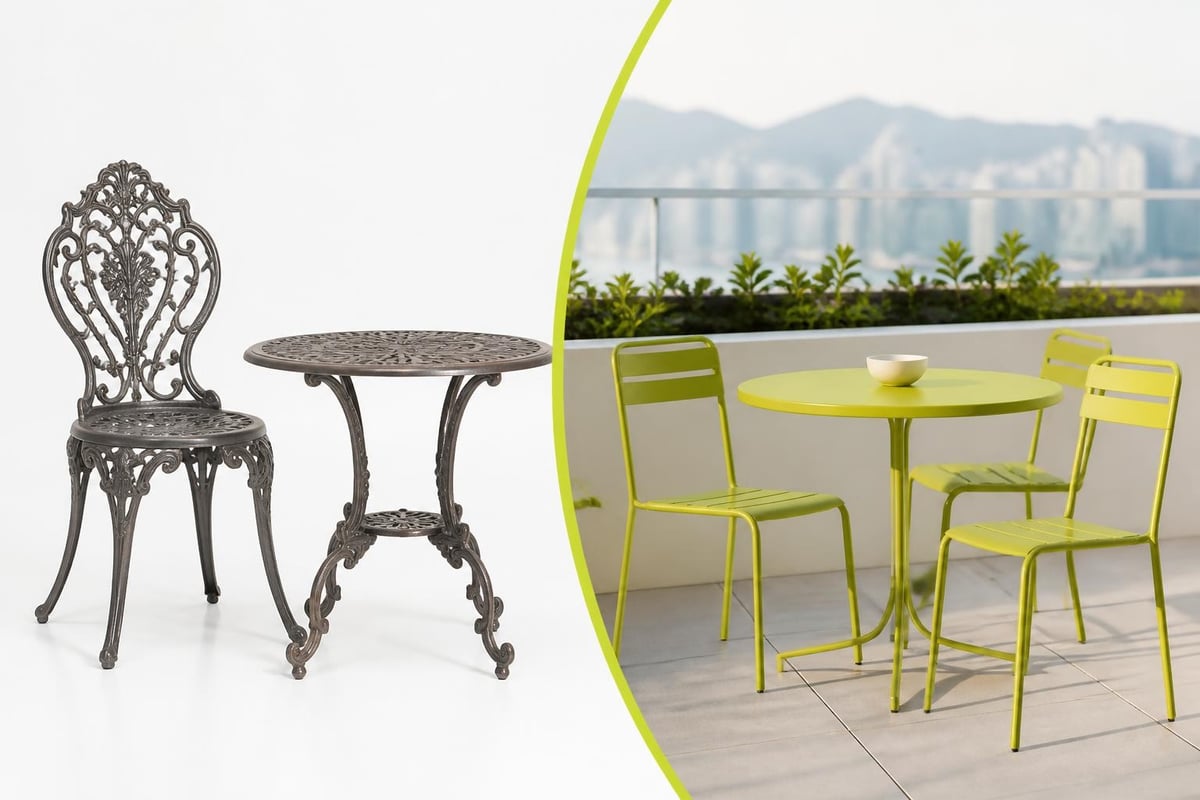
One characteristic that sets cast iron apart is its substantial weight. A single cast iron chair can weigh between 15 to 30 kilograms, which might seem like a disadvantage until you consider Hong Kong's weather patterns.
During the typhoon season from May through November, lightweight outdoor furniture can become projectiles if not properly secured. Cast iron's heft means these pieces stay firmly planted even in strong winds, reducing the need for constant repositioning or storage.
| Material | Average Chair Weight | Wind Resistance | Mobility |
|---|---|---|---|
| Cast Iron | 15-30 kg | Excellent | Low |
| Aluminum | 3-6 kg | Requires securing | High |
| Plastic Resin | 2-4 kg | Poor | Very High |
| Teak Wood | 8-12 kg | Good | Moderate |
Understanding Cast Iron's Performance in Hong Kong's Climate
Hong Kong's climate presents unique challenges for outdoor furniture. With average humidity levels hovering between 75% and 85% year-round, and annual rainfall exceeding 2,400 millimeters, moisture management becomes critical for any outdoor material.
Cast iron's relationship with humidity requires honest discussion. Unlike aluminum or synthetic materials, cast iron will rust when exposed to moisture without proper protection. However, understanding how cast iron rusts and implementing preventive measures makes this material entirely manageable in tropical environments.
The Reality of Rust and Patina
Surface rust on cast iron garden furniture isn't necessarily a problem. Many homeowners actually appreciate the aged appearance that develops, which adds character and authenticity to garden settings. The key distinction lies between:
- Surface oxidation (a thin layer of rust that creates patina)
- Deep corrosion (structural deterioration requiring intervention)
- Protective rust (intentionally developed and sealed for appearance)
For Hong Kong applications, cast iron pieces typically receive powder-coating or specialized paint finishes that create moisture barriers. These protective layers, when maintained properly, can last 5-10 years before requiring touch-ups.
The maintenance requirements for cast iron garden pieces involve regular inspection, cleaning, and occasional recoating. This differs substantially from the minimal maintenance needed for modern materials but rewards owners with furniture that can last generations.
Design Considerations for Hong Kong Outdoor Spaces
Space constraints represent one of Hong Kong's defining characteristics. The average balcony measures just 8-15 square meters, while even luxury rooftop terraces rarely exceed 50 square meters. Cast iron garden furniture works best when selected thoughtfully for these compact environments.
Choosing Appropriate Pieces
Not all cast iron furniture suits Hong Kong living. Oversized Victorian benches or elaborate multi-piece dining sets can overwhelm small balconies. Instead, consider these options:
- Bistro sets: Two chairs and a small round table (60-70cm diameter) fit comfortably on most balconies
- Individual accent chairs: Single statement pieces paired with modern furniture
- Plant stands: Decorative elements that don't consume seating area
- Side tables: Functional pieces that add character without dominating space
The current trend moving away from certain outdated garden styles means that overly ornate or fussy cast iron pieces may feel dated. Look for designs that balance traditional craftsmanship with cleaner lines.
Color and Finish Options
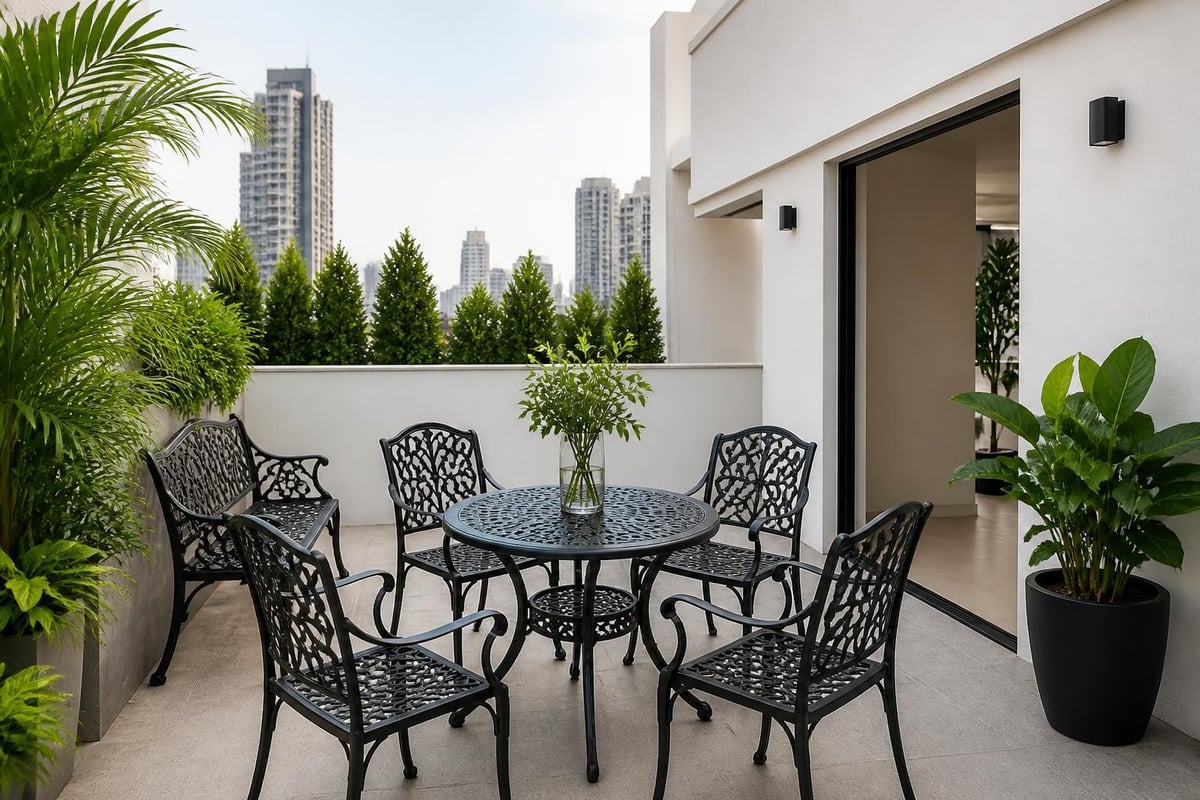
Traditional black or dark green finishes remain popular, but 2026 sees expanding options for cast iron garden furniture. Modern powder-coating technology allows for:
- Matte charcoal gray (coordinates with contemporary architecture)
- Deep bronze (complements wooden deck materials)
- Cream or off-white (creates contrast in shaded areas)
- Custom colors matching specific design schemes
When selecting finishes for Hong Kong installations, consider how colors appear in your specific lighting conditions. Shaded north-facing balconies benefit from lighter tones that reflect available light, while sun-drenched rooftop spaces can handle deeper, richer colors without appearing gloomy.
Maintenance and Longevity in Humid Conditions
Cast iron garden furniture demands more active maintenance than contemporary alternatives, but the investment yields furniture that can serve multiple generations. Understanding the maintenance cycle helps set realistic expectations.
Annual Maintenance Schedule
Spring (March-April):
- Deep clean with mild detergent and soft brush
- Inspect all surfaces for coating damage
- Touch up any chips or scratches immediately
- Apply protective wax to intact powder-coating
Summer (June-August):
- Weekly wipe-down to remove humidity-related film
- Check undersides and joints for hidden moisture
- Ensure drainage holes remain clear
Autumn (September-November):
- Pre-typhoon inspection and securing
- Address any rust spots discovered during season
- Consider applying additional protective coating before winter rain
Winter (December-February):
- Monthly inspection during drier season
- Plan any major restoration work for late winter
- Evaluate overall condition and plan spring maintenance
If you're comparing the maintenance requirements of different outdoor furniture materials, understanding your options helps clarify whether cast iron aligns with your lifestyle and available time.
Addressing Rust When It Appears
Despite best efforts, outdoor cast iron products will eventually show some rust in Hong Kong's climate. When surface rust appears:
- Wire brush the affected area to remove loose rust
- Apply rust converter if rust has penetrated beyond surface
- Prime with rust-inhibiting metal primer
- Repaint using exterior-grade metal paint matching your finish
- Seal with clear protective coating for extra durability
This process takes 2-4 hours per piece and should be conducted during Hong Kong's drier months (November through March) when humidity drops below 70% for optimal paint adhesion.
Combining Cast Iron with Modern Furniture
Few Hong Kong homeowners furnish their entire outdoor space exclusively with cast iron. The material works beautifully as an accent when combined with contemporary pieces, creating layered, interesting outdoor rooms.
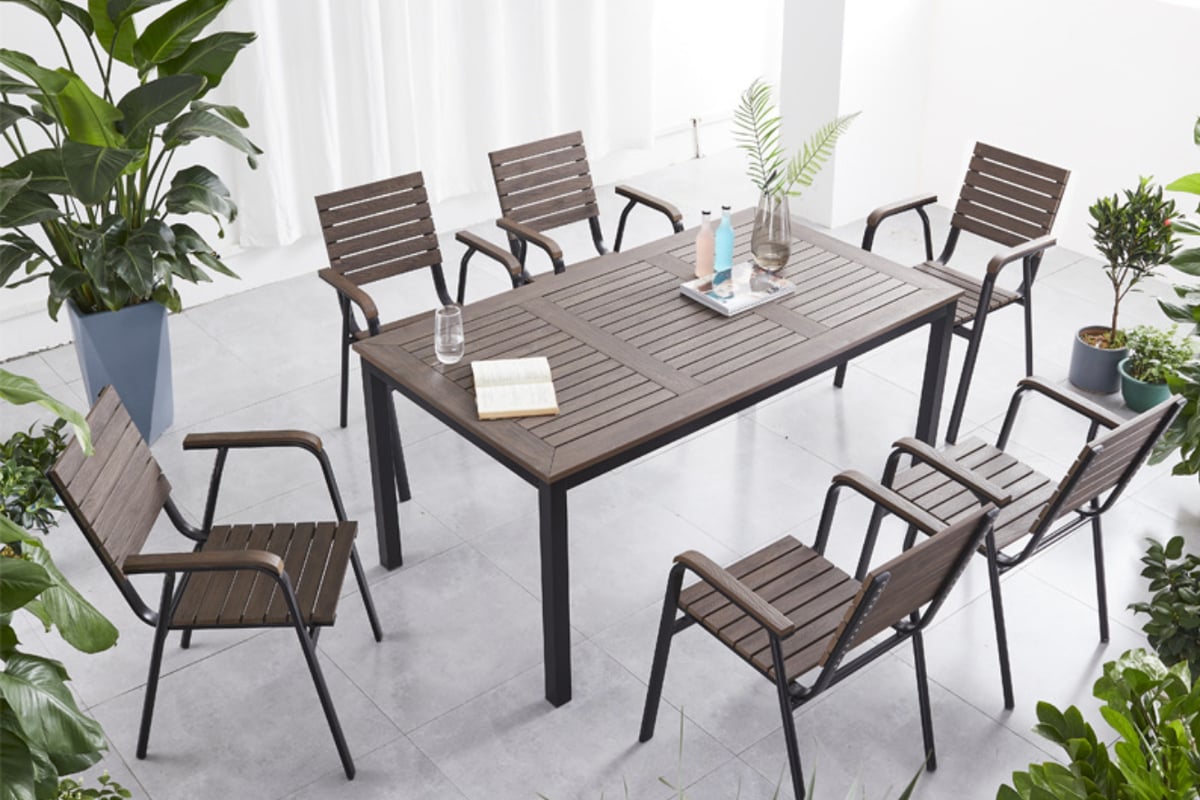
If you're creating an outdoor dining area, pairing cast iron chairs with a modern teak or aluminum table creates visual contrast while maintaining functionality. The Outdoor Dining Table & Chairs Set collection demonstrates how mixing materials and styles creates cohesive outdoor environments that feel both curated and comfortable.
Material Pairing Strategies
| Cast Iron Element | Complementary Material | Design Effect | Best For |
|---|---|---|---|
| Dining chairs | Teak table | Warm contrast | Traditional gardens |
| Side table | Rope sofa | Texture contrast | Contemporary balconies |
| Plant stand | Aluminum planters | Historical accent | Rooftop gardens |
| Bench | Outdoor cushions | Comfort upgrade | Poolside seating |
The resurgence of wrought iron outdoor furniture trends in 2026 emphasizes mixing rather than matching. Today's most compelling outdoor spaces feature intentional eclecticism that tells a story about the homeowner's taste and travels.
Sourcing and Investment Considerations
Cast iron garden furniture represents a significant investment compared to mass-produced alternatives. In Hong Kong, authentic cast iron pieces range from HK$2,000 for simple side tables to HK$25,000 or more for elaborate benches or dining sets.
What Affects Pricing
Factors that influence cast iron furniture costs include:
- Manufacturing method (traditional sand casting versus modern techniques)
- Design complexity and detail level
- Protective finish quality and application method
- Brand heritage and origin country
- Import duties and shipping costs to Hong Kong
When evaluating value, consider the cost-per-year rather than upfront price. A HK$8,000 cast iron bistro set that lasts 30 years costs just HK$267 annually, while a HK$2,000 aluminum set replaced every 5 years costs HK$400 per year.
New Versus Vintage Pieces
Hong Kong's antique markets occasionally offer vintage cast iron garden furniture, particularly in areas like Cat Street and Hollywood Road. These pieces carry unique character but require careful evaluation.
Before purchasing vintage cast iron:
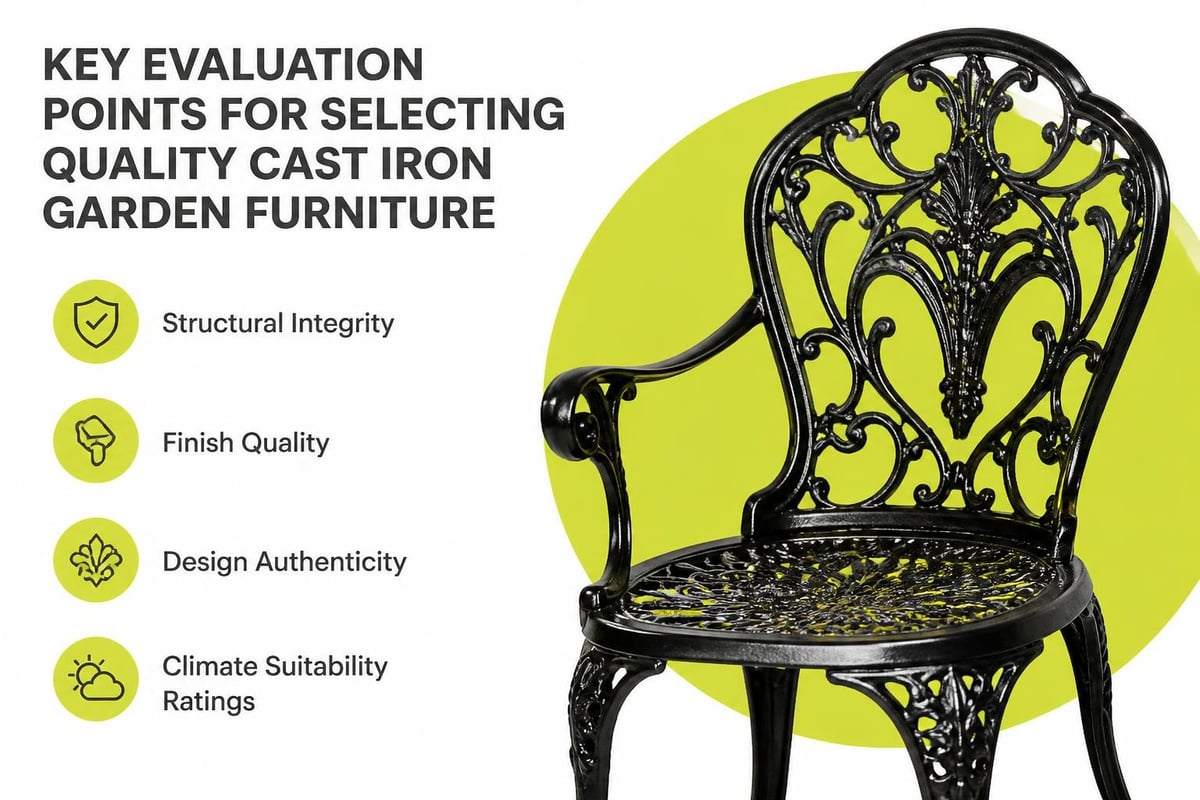
- Inspect for structural integrity (tap gently; solid cast iron rings clearly)
- Check for cracks in joints and stress points
- Assess restoration needs realistically
- Verify authenticity for claimed antique pieces
- Factor restoration costs into total investment
Vintage pieces may need complete stripping and recoating before use, adding HK$1,500-5,000 to the purchase price depending on piece size and condition.
Practical Applications for Different Hong Kong Spaces
Cast iron garden furniture adapts to various outdoor environments when selected appropriately. Understanding which pieces work best in specific Hong Kong settings helps maximize both functionality and aesthetic impact.
Balcony Applications
For typical Hong Kong balconies (8-12 square meters), scale becomes paramount. A single cast iron bistro table with two chairs creates an intimate café atmosphere without overwhelming the space. Position these pieces near the railing to maximize floor space and create the illusion of dining "above" the city.
Alternatively, one statement chair paired with a modern side table serves as a reading nook. The cast iron's visual weight anchors the corner while contemporary accessories keep the overall look current.
Rooftop Terrace Installations
Larger rooftop spaces (25-50 square meters) accommodate more substantial cast iron installations. Consider these arrangements:
- Dining zone: Cast iron table and six chairs as the centerpiece
- Conversation area: Modern outdoor sofa with cast iron side tables
- Garden edge: Cast iron bench overlooking planted borders
- Accent corners: Decorative plant stands marking pathway transitions
The open, exposed nature of rooftop terraces means cast iron's weather resistance and wind stability offer genuine practical advantages beyond aesthetics.
Poolside Environments
Cast iron performs well near pools, where its weight prevents accidental tipping into water. However, chlorinated water accelerates corrosion, so poolside cast iron requires more frequent maintenance checks and protective coating renewal every 2-3 years rather than 5-10 years.
Choose pieces with smooth finishes for poolside use. Ornate details trap pool chemicals and moisture, creating accelerated deterioration points.
Professional Installation and Safety Considerations
While cast iron's weight provides stability, it also creates handling challenges. Professional installation becomes advisable for larger pieces, particularly on upper-floor balconies where maneuvering heavy furniture through doorways and around corners poses risks.
Weight Load Considerations
Before installing multiple cast iron pieces on balconies or rooftops, verify your building's load-bearing capacity. Most Hong Kong residential balconies safely support 250-350 kg/m², but cast iron furniture concentrates significant weight in small footprints.
A typical cast iron dining set weighs:
- Table: 40-60 kg
- Four chairs: 60-80 kg (15-20 kg each)
- Total: 100-140 kg in approximately 3-4 m²
This concentration may require load distribution strategies like rubber pads or spreading furniture across larger areas. For specific concerns about your space, building management or structural engineers can provide load capacity assessments.
Surface Protection
Cast iron's hardness can damage floor surfaces, particularly wooden decking and tile. Always use protective pads or feet covers, which also help prevent moisture accumulation at contact points where rust often initiates.
Cast Iron as Heirloom Furniture
One aspect rarely discussed in contemporary buying guides is cast iron garden furniture's potential as heirloom pieces. Unlike most outdoor furniture that deteriorates within a decade, properly maintained cast iron serves multiple generations.
In Hong Kong's transient environment where many residents relocate internationally every few years, investing in furniture that travels well and maintains value makes practical sense. Cast iron pieces shipped properly (with protective wrapping and proper crating) arrive intact and ready for new environments.
Value Retention
Quality cast iron garden furniture appreciates rather than depreciates. Authentic Victorian-era pieces now command premium prices at auction, and even mid-20th century examples maintain strong secondary market value. Contemporary cast iron furniture from reputable manufacturers follows similar patterns, particularly limited-production pieces with distinctive designs.
This contrasts sharply with mass-produced outdoor furniture, which typically loses 70-80% of purchase value immediately and becomes essentially worthless within five years.
Environmental Considerations
Sustainability-minded Hong Kong homeowners increasingly evaluate furniture choices through environmental lenses. Cast iron presents an interesting environmental profile:
Sustainability advantages:
- Extremely long lifespan reduces replacement frequency
- Fully recyclable at end of life
- Develops natural patina without chemical treatments
- Repairs extend usable life indefinitely
Environmental concerns:
- Energy-intensive manufacturing process
- Significant shipping weight increases carbon footprint
- Protective coatings may contain VOCs
- Mining and smelting impacts
Compared to furniture requiring complete replacement every 5-7 years, cast iron's multi-generational lifespan often results in lower overall environmental impact despite higher initial manufacturing costs.
Making the Decision: Is Cast Iron Right for You?
Cast iron garden furniture isn't the ideal choice for every Hong Kong outdoor space or homeowner. Honest assessment of your priorities, lifestyle, and space helps determine fit.
Cast iron works well if you:
- Appreciate traditional aesthetics and craftsmanship
- Commit to regular maintenance schedules
- Value furniture longevity and heirloom potential
- Have space for heavier pieces
- Seek stability in exposed, windy locations
Consider alternatives if you:
- Prefer minimal-maintenance solutions
- Need frequently rearranged furniture
- Have extremely limited floor load capacity
- Prioritize contemporary minimalist aesthetics exclusively
- Require completely rust-free materials
For many Hong Kong residents, the ideal solution combines both approaches: select cast iron accent pieces for visual impact and historical character, while using contemporary weather-resistant materials for primary seating and dining furniture. This mixed approach delivers aesthetic interest, practical functionality, and manageable maintenance requirements.
Your outdoor space should reflect your personal style while functioning beautifully in Hong Kong's demanding climate. Whether you incorporate vintage cast iron treasures, contemporary interpretations, or skip the material entirely in favor of modern alternatives, understanding the material's characteristics helps you create outdoor environments where you'll actually spend time relaxing, entertaining, and enjoying Hong Kong's beautiful weather throughout the year.
Cast iron garden furniture brings enduring beauty and remarkable longevity to Hong Kong outdoor spaces when selected thoughtfully and maintained properly. While this traditional material demands more care than contemporary alternatives, the reward is furniture that develops character over decades rather than deteriorating within years. If you're ready to create an outdoor space that combines timeless elegance with practical durability suited to Hong Kong's climate, explore the premium collections at Hong Kong Outdoor Furniture, where expert guidance helps you select pieces that transform your balcony, rooftop, or garden into a lasting outdoor retreat.