

Commercial Lawn Furniture Guide for Hong Kong 2026
Selecting the right commercial lawn furniture transforms outdoor spaces into profitable assets for Hong Kong's hospitality industry. From rooftop bars in Central to poolside lounges in Repulse Bay, businesses need furniture that withstands humid subtropical conditions while delivering exceptional comfort and aesthetic appeal. Understanding material science, design trends, and maintenance requirements ensures your investment enhances guest experiences while maintaining visual appeal year-round in one of Asia's most demanding climates.
Understanding Commercial-Grade Requirements
Commercial lawn furniture differs fundamentally from residential options in construction quality, weight capacity, and durability standards. Hospitality venues, corporate campuses, and public spaces require pieces engineered to withstand constant use, varying weather conditions, and the specific challenges of Hong Kong's environment.
Weight capacity represents a critical specification. Commercial-grade seating typically supports 300-400 pounds per seat compared to residential furniture's 200-250 pound capacity. Frame construction uses heavier gauge materials, reinforced joints, and industrial-grade fasteners that prevent wobbling or structural failure under continuous stress.
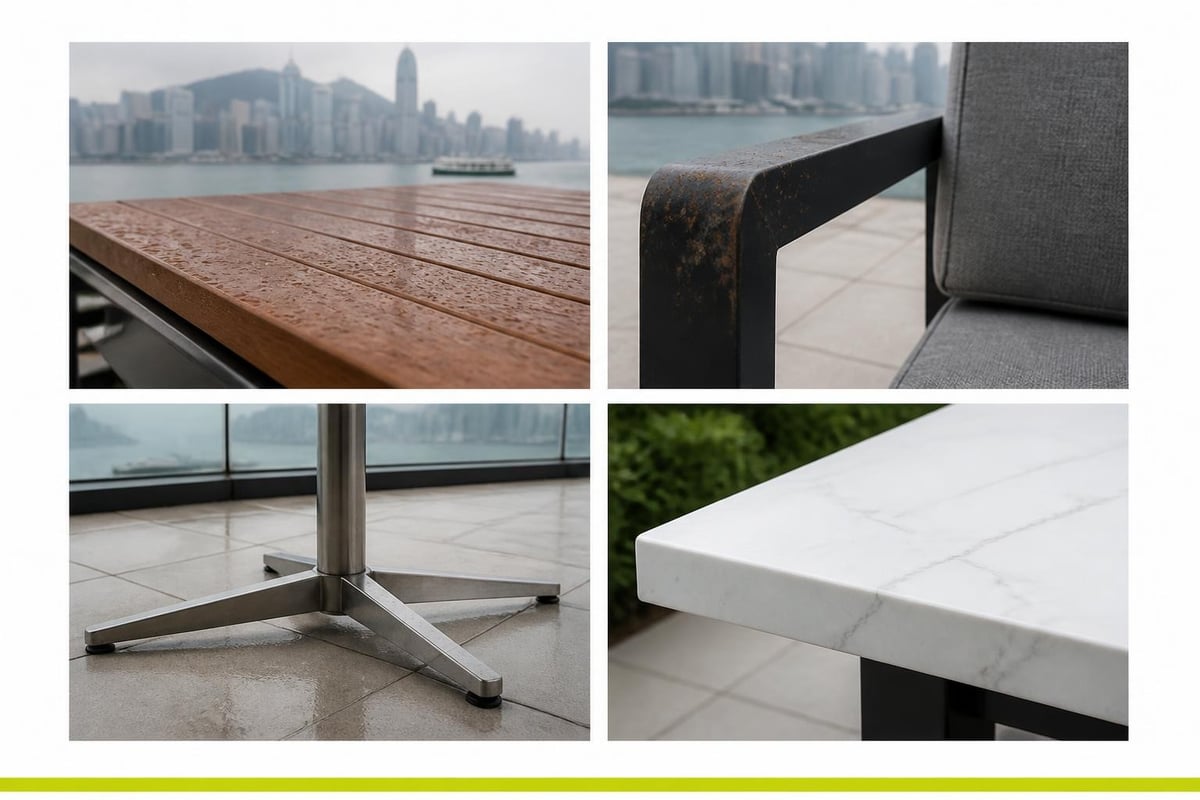
Material Selection for Hong Kong's Climate
Hong Kong's climate presents unique challenges with humidity levels averaging 78% annually and typhoon season bringing sustained winds exceeding 100 kilometers per hour. Material selection directly impacts longevity and maintenance costs.
| Material | Humidity Resistance | Maintenance Level | Typical Lifespan |
|---|---|---|---|
| Powder-coated aluminum | Excellent | Low | 10-15 years |
| Marine-grade teak | Excellent | Medium | 15-20 years |
| Synthetic rattan | Very Good | Low | 8-12 years |
| Stainless steel | Excellent | Low | 15+ years |
| High-density polyethylene | Good | Very Low | 7-10 years |
Powder-coated aluminum offers exceptional corrosion resistance while maintaining lightweight portability for staff rearranging seating configurations. The powder coating process creates a barrier against salt air exposure common in coastal areas like Stanley and Discovery Bay.
Marine-grade teak contains natural oils that repel moisture and resist fungal growth. This premium hardwood weathers to an elegant silver-gray patina or maintains its golden honey color with regular oiling, making it ideal for high-end establishments.
Design Trends Shaping Commercial Spaces
The commercial patio furniture market continues evolving with technology integration and modular configurations. Smart furniture incorporating USB charging ports, ambient lighting, and weather sensors appeals to tech-savvy consumers while providing operational data for property managers.
Modular systems dominate 2026 specifications. Individual pieces connect to create various configurations, allowing businesses to adapt layouts for different events, group sizes, or seasonal requirements. This flexibility maximizes space utilization in Hong Kong's premium-priced real estate market.
Color and Aesthetic Considerations
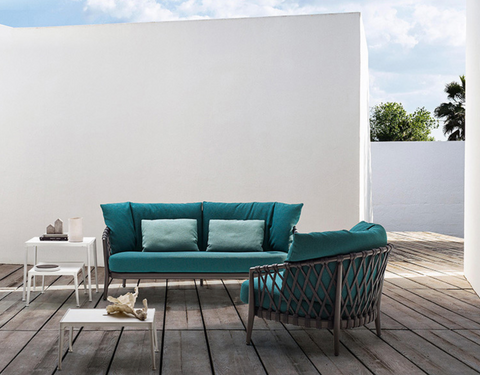
Colorful woven outdoor furniture emerges as a defining trend for 2026, moving beyond traditional neutrals. Hospitality designers incorporate jewel tones, ocean-inspired blues, and sunset oranges that photograph well for social media while creating memorable brand experiences.
However, professionals should avoid certain outdated trends that diminish perceived value. Overly rustic aesthetics, mismatched furniture sets, and purely functional designs without artistic merit fail to attract discerning clientele expecting Instagram-worthy environments.
Contemporary commercial lawn furniture emphasizes clean lines, proportional balance, and materials that create visual interest through texture rather than excessive ornamentation. This approach maintains relevance across changing trends while projecting sophistication appropriate for luxury establishments.
- Monochromatic schemes with textural variation
- Organic shapes inspired by natural forms
- Integrated planters and privacy screens
- Adjustable components for personalized comfort
- Weather-resistant performance fabrics in designer colors
Spatial Planning and Layout Optimization
Effective commercial outdoor design balances capacity maximization with comfortable circulation and visual appeal. Hong Kong venues often work with constrained spaces where every square meter directly impacts revenue potential.
Traffic Flow and Accessibility
Maintain minimum clearances of 90 centimeters between furniture pieces for staff service access and guest movement. Main circulation paths require 120-150 centimeters to accommodate wheelchair users and comply with accessibility ordinances affecting commercial properties.
Anchor arrangements around focal points such as harbor views, architectural features, or water elements. Position premium seating to capture these sight lines while standard configurations fill secondary zones, creating tiered pricing opportunities that optimize revenue per square meter.
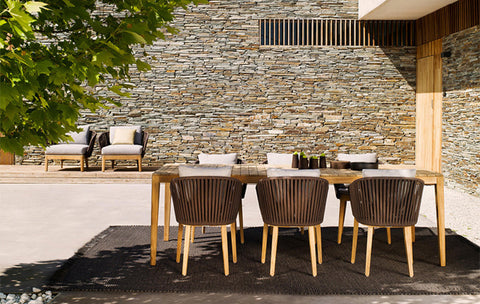
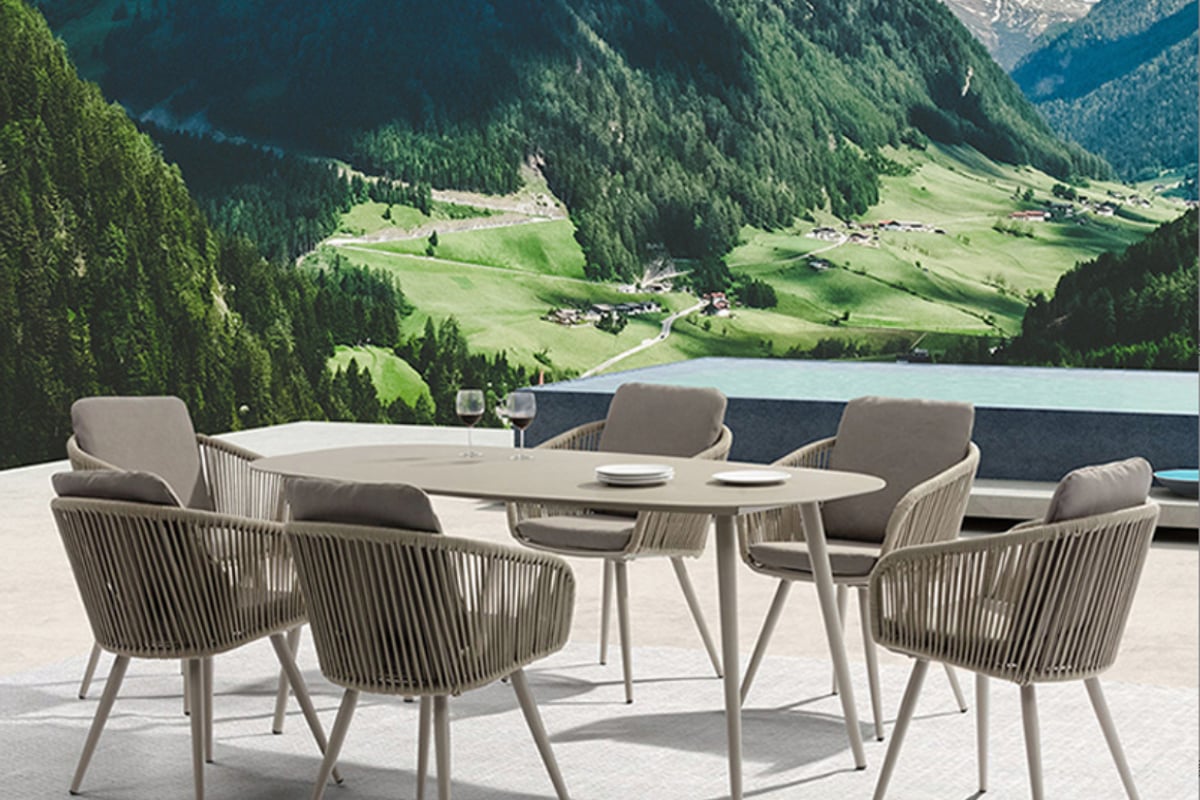
For businesses looking to create cohesive outdoor dining experiences, selecting the right dining table and chair combinations ensures both aesthetic harmony and functional performance. Quality dining sets designed for commercial use provide the durability needed for high-traffic restaurant patios, hotel terraces, and corporate outdoor spaces while maintaining the refined appearance that attracts sophisticated clientele.
Zone definitions using furniture placement, planter boxes, or level changes create intimate spaces within larger areas. This technique proves particularly effective for rooftop venues where open layouts can feel exposed or lack acoustic privacy.
Maintenance Protocols and Longevity
Establishing systematic maintenance schedules protects commercial lawn furniture investments and preserves guest experiences. Hong Kong's environment accelerates wear patterns, making preventive care essential for controlling replacement costs.
Daily and Weekly Tasks
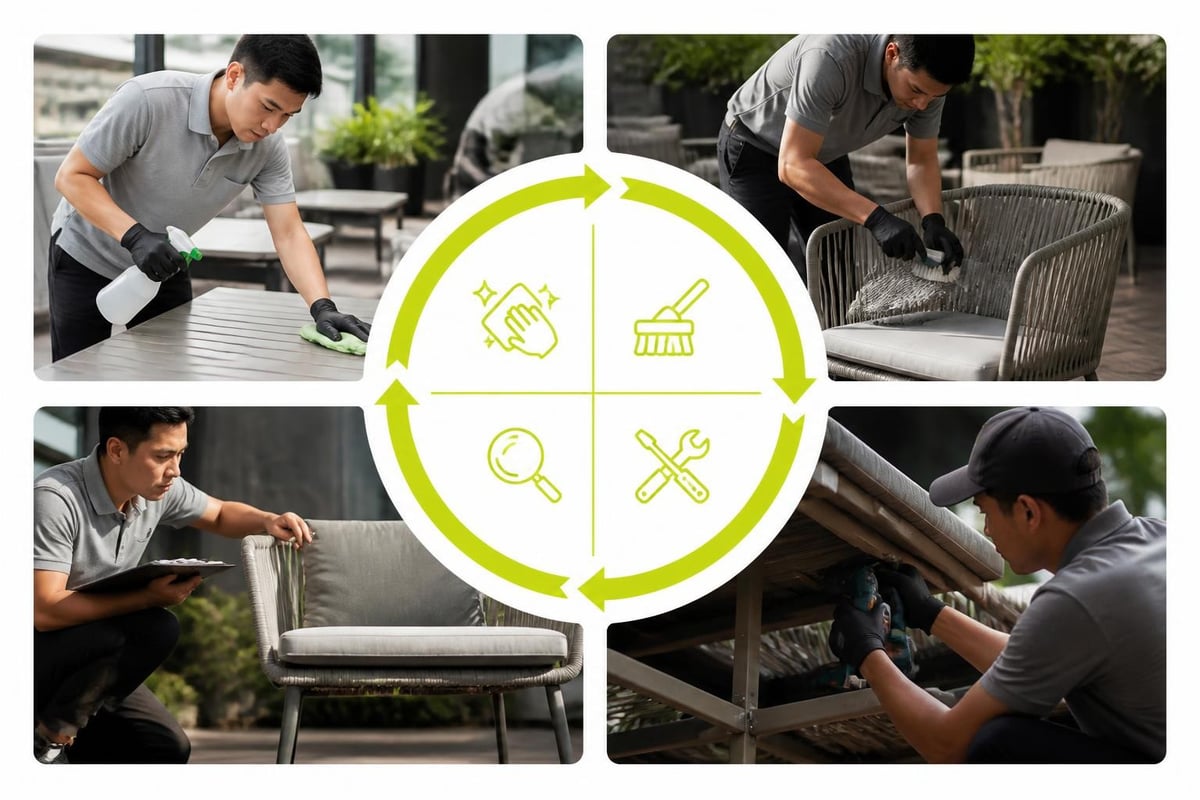
Staff should wipe down surfaces with pH-neutral cleaners daily, removing pollutants and organic debris before they bond to finishes. Weekly deep cleaning following professional furniture care guidelines preserves appearance and identifies developing issues before they require costly repairs.
Cushion rotation prevents uneven fading and compression, extending fabric lifespan by 40-60%. Store cushions in climate-controlled areas during extended periods of non-use, particularly during monsoon season when sustained moisture exposure accelerates mildew development.
- Morning inspection: Check for damage, debris accumulation, and proper positioning
- Mid-service wipe-down: Remove spills, food debris, and beverage residue immediately
- Evening reset: Clean thoroughly, inspect for wear, arrange for next service period
- Weekly deep clean: Pressure wash hard surfaces, vacuum cushions, treat stains
- Monthly assessment: Tighten fasteners, check structural integrity, apply protective treatments
- Seasonal servicing: Professional restoration, re-oiling wood, touch-up paint corrections
Sustainability and Procurement Considerations
Environmental responsibility increasingly influences purchasing decisions as corporations implement ESG (Environmental, Social, Governance) frameworks. Commercial lawn furniture selections reflect organizational values while meeting functional requirements.
Certified and Responsible Materials
Specify FSC-certified teak or eucalyptus from managed plantations rather than old-growth forest sources. Recycled aluminum and HDPE lumber manufactured from post-consumer waste offer equivalent performance with reduced environmental impact.
The current trends in commercial outdoor furniture emphasize sustainability alongside durability and comfort. Manufacturers now offer comprehensive product lifecycle information, including carbon footprint calculations, recyclability percentages, and end-of-life disposal options.
Local sourcing reduces transportation emissions while supporting regional economies. Hong Kong suppliers often stock inventory suitable for immediate delivery, eliminating long lead times and international shipping costs associated with European or North American manufacturers.
| Sustainability Factor | Impact Level | Business Benefit |
|---|---|---|
| Recycled materials | High | Marketing differentiation |
| Local manufacturing | Medium | Reduced shipping costs |
| Modular design | High | Extended useful life |
| Renewable resources | Medium | Brand alignment |
| Take-back programs | Low | Waste reduction |
Investment Analysis and Budgeting
Commercial lawn furniture represents significant capital expenditure requiring thorough financial analysis. Total cost of ownership extends beyond purchase price to include delivery, installation, maintenance, and eventual replacement.
Cost-Per-Use Calculations
Divide total investment by expected serviceable years and annual usage days to determine daily cost per piece. High-quality commercial-grade furniture costing $800 with a 12-year lifespan in a year-round operation costs approximately $0.18 per day versus $400 residential-grade furniture lasting 4 years at $0.27 daily.
Factor Hong Kong's storage challenges into specifications. Stackable designs, nesting tables, and folding configurations reduce off-season storage requirements, potentially eliminating expensive warehouse rental costs for seasonal operators.
Businesses should review available financing options that distribute costs across operational budgets rather than requiring full upfront capital expenditure. Installment programs align payment schedules with revenue generation while preserving working capital for other operational needs.
- Initial purchase cost and delivery fees
- Installation or assembly labor
- Annual maintenance supplies and labor
- Seasonal storage costs
- Replacement cushions and components
- Insurance and liability considerations
- Eventual disposal or recycling fees
Vendor Selection and Specification Process
Partnering with knowledgeable suppliers ensures appropriate product selection and reliable after-sales support. Hong Kong's commercial furniture market includes both international brands and regional specialists with deep understanding of local requirements.
Evaluation Criteria
Request detailed specifications including frame materials, fabric grades, weight capacities, and warranty terms. Commercial warranties should cover structural integrity for minimum five years with fabric guarantees addressing UV degradation and color fastness.
Physical showroom evaluation allows assessment of build quality, comfort levels, and visual appeal that photographs cannot convey. Hong Kong Outdoor Furniture maintains collections specifically designed for commercial applications, offering the opportunity to experience pieces before committing to large-scale orders.
Verify the supplier's ability to maintain consistent inventory for future replacements and expansions. Discontinuation of product lines creates matching challenges when replacing damaged pieces or expanding successful concepts.
Customization and Branding Opportunities
Bespoke furniture solutions create distinctive brand experiences while meeting specific functional requirements. Commercial lawn furniture increasingly serves as branded touchpoints that reinforce identity and differentiate properties in competitive markets.
Custom Fabrication Options
Powder coating accepts virtually any color specification, allowing exact brand color matching. This customization applies to aluminum frames, steel bases, and metal accents without significant cost premiums on commercial-quantity orders.
Branded cushions featuring embroidered logos, custom patterns, or signature colors create cohesive visual identities. Performance fabrics now accept detailed graphics while maintaining weather resistance and cleanability essential for commercial applications.
Consider unique configurations designed specifically for your space rather than standard catalog dimensions. Custom sizing maximizes awkward areas, fits specific architectural features, and creates memorable installations that guests associate with your property.
Safety Standards and Regulatory Compliance
Commercial outdoor furniture must meet safety regulations, flammability standards, and accessibility requirements that residential products often bypass. Non-compliance creates liability exposure and potential closure orders from regulatory authorities.
Hong Kong Building Codes
Furniture specified for balconies and rooftops must not create fall hazards or obstruct required clear zones near edges. Pieces should remain stationary during high winds either through sufficient weight or approved anchoring systems that don't compromise waterproofing membranes.
Fire safety codes apply to cushions, fabrics, and certain synthetic materials. Specify commercial-grade fire-retardant treatments tested to relevant standards, maintaining documentation for inspection purposes.
Accessibility guidelines require specific clearances, table heights, and arm configurations for wheelchair users. While not all seating needs adaptation, commercial properties must provide reasonable accommodation throughout outdoor spaces.
Technology Integration in Modern Designs
Smart furniture transforms static seating into interactive amenities that enhance guest experiences while providing operational insights. Technology integration separates premium commercial installations from standard configurations.
Connected Features
Solar-powered USB charging stations embedded in table surfaces or arm rests address universal consumer needs while encouraging longer dwell times. These features prove particularly valuable for co-working spaces, airport lounges, and resort pool areas where device charging drives location selection.
Ambient LED lighting controlled through smartphone apps or timers creates atmosphere while improving safety and visibility. Color-changing capabilities adapt environments from daytime casual to evening elegant without furniture rearrangement or labor costs.
Occupancy sensors integrated into seating provide data on usage patterns, helping optimize layouts and staffing schedules. Analytics reveal peak demand periods, preferred seating zones, and underutilized areas requiring redesign or repurposing.
Creating Cohesive Outdoor Environments
Successful commercial outdoor spaces extend interior design language rather than treating exteriors as afterthoughts. The latest garden furniture trends emphasize this indoor-outdoor continuity through material palettes, style consistency, and comfort standards that blur traditional boundaries.
Coordinate commercial lawn furniture selections with architectural finishes, branding guidelines, and interior furnishing schemes. Repetition of materials, forms, or colors creates visual coherence that elevates perceived quality and strengthens brand recognition.
Layer outdoor rooms with accessories including planters, lighting, storage solutions, and shade structures that transform basic furniture arrangements into complete environments. These elements available from specialized suppliers provide functional benefits while enhancing aesthetic appeal and guest comfort.
Investing in appropriate commercial lawn furniture requires balancing immediate costs against long-term performance, brand alignment, and guest satisfaction. Hong Kong's demanding climate and competitive hospitality market necessitate careful material selection, maintenance commitment, and design vision that creates memorable outdoor experiences. Whether you're furnishing a rooftop bar overlooking Victoria Harbour or creating an intimate garden restaurant in Sai Kung, Hong Kong Outdoor Furniture offers premium collections specifically engineered for commercial applications in Hong Kong's unique environment, combining exceptional durability with timeless elegance that enhances your property's value and appeal.