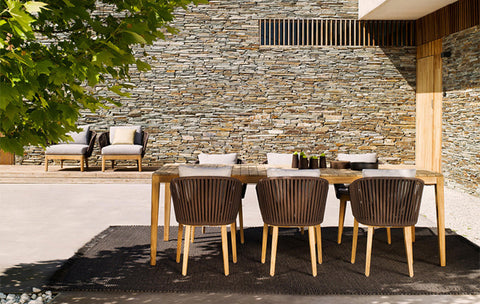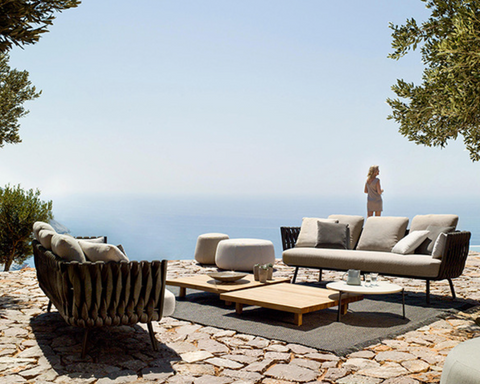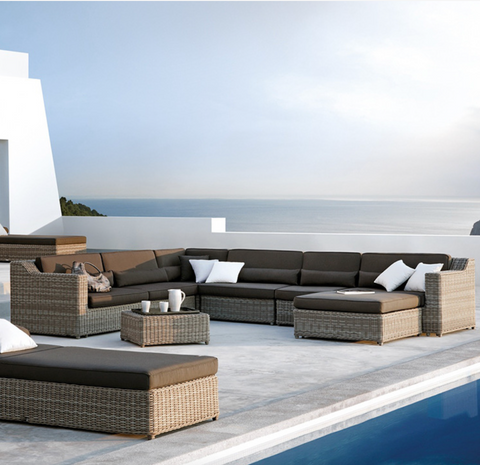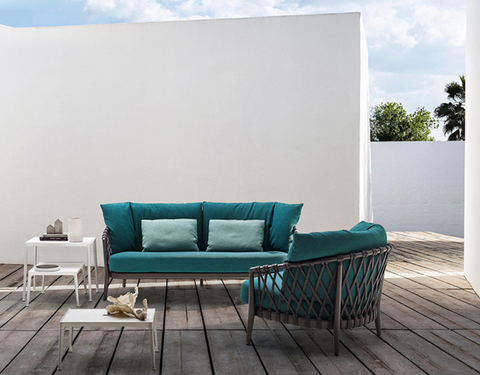


Commercial Outdoor Seating Furniture Guide (2026)
Choosing the right commercial outdoor seating furniture transforms ordinary outdoor spaces into thriving destinations where guests linger, communities gather, and businesses flourish. Whether you're outfitting a rooftop restaurant in Central, a poolside lounge in Repulse Bay, or a public plaza in Kowloon, the furniture you select needs to deliver exceptional comfort, withstand Hong Kong's punishing humidity and typhoons, and maintain its beauty through years of intensive use. Unlike residential pieces that serve a single family, commercial outdoor seating must perform flawlessly for hundreds of guests while representing your brand, meeting safety standards, and delivering a solid return on investment.
Understanding Commercial-Grade Performance Requirements
Commercial outdoor seating furniture faces demands that far exceed residential use. A hotel poolside chair might host twenty different guests each day, enduring sunscreen, chlorine, salt spray, and the weight of everyone from children to adults. A restaurant banquette on a rooftop terrace weathers Hong Kong's intense summer UV, torrential monsoon downpours, and humidity that hovers near saturation for months.
The key performance criteria include:
- Structural integrity under repeated loading and extreme weight variations
- Weather resistance to UV degradation, moisture intrusion, and corrosion
- Cleanability for rapid turnover and hygiene compliance
- Stability to prevent tipping and injuries in crowded environments
- Durability that extends lifecycle and reduces replacement costs
Testing standards help verify these capabilities. Organizations like UL Solutions provide testing and certification specifically for outdoor furniture, evaluating everything from structural strength to weathering performance. The BIFMA Outdoor Furniture Whitepaper documents the ongoing effort to develop comprehensive performance standards for commercial pieces, addressing the unique challenges outdoor environments present.
Material Selection for Hong Kong's Climate
Hong Kong's subtropical climate demands materials that laugh in the face of 95% humidity, resist mold and mildew, and survive typhoon-force winds. Not every material that looks good in a showroom will perform when exposed to the relentless moisture and heat that characterize our summers.
| Material | Weather Resistance | Maintenance | Lifecycle | Best Application |
|---|---|---|---|---|
| Powder-coated aluminium | Excellent | Low | 10-15 years | High-traffic dining, poolside |
| Marine-grade teak | Excellent | Medium | 15-25 years | Premium hospitality, yacht clubs |
| High-density polyethylene | Excellent | Very low | 8-12 years | Public spaces, beachfront |
| All-weather wicker/rope | Very good | Low | 7-10 years | Lounges, casual dining |
| Stainless steel (316) | Excellent | Low | 15-20 years | Contemporary installations, coastal |
Aluminium frames with powder-coated finishes deliver exceptional value for commercial applications. The powder coating creates a barrier against moisture and salt, preventing the oxidation that plagues lesser metals. Teak remains the gold standard for premium hospitality venues, developing a distinguished silver patina while maintaining structural integrity. For public spaces where vandalism and extreme use are concerns, high-density polyethylene resin offers nearly indestructible performance.
The materials research published in Scientific Reports examines selection indicators for extended-lifespan outdoor seating, providing valuable insights into how different materials perform across multiple environmental stress factors.
Frame Construction and Engineering Standards
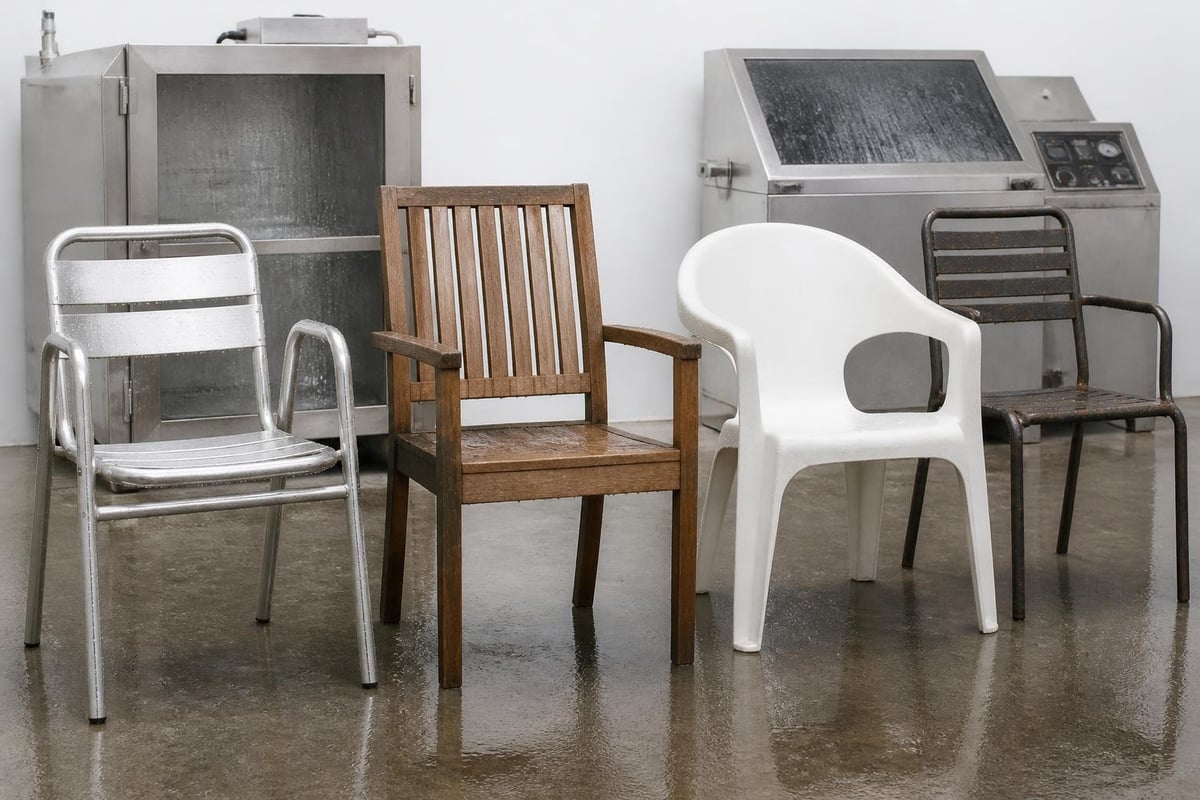
The frame determines whether your commercial outdoor seating furniture will serve guests reliably for years or become a liability. Commercial-grade frames employ engineering principles that residential pieces often skip: reinforced joints, increased wall thickness, strategic cross-bracing, and oversized fasteners.
Look for welded aluminium construction rather than bolted assemblies in high-traffic applications. Welds eliminate the loosening that occurs with mechanical fasteners subjected to constant vibration and loading cycles. Stainless steel hardware rated for marine environments prevents the rust stains that bleed onto cushions and decking. Corner blocks and gussets transfer loads efficiently, preventing the racking that causes frames to twist and fail.
Weight Capacity and Stability Testing
Commercial seating must accommodate the full spectrum of body types safely. While residential chairs might target a 100kg capacity, commercial pieces should handle 135-160kg without distress. This isn't just about individual weight but also dynamic loading from guests standing on chairs to retrieve items, children jumping, and the shock loads from people dropping into seats.
Stability testing evaluates:
- Forward tip resistance when weight concentrates on the front edge
- Sideways stability under offset loading
- Backward stability during reclining movements
- Leg strength under impact and point loads
The BIFMA interpretation guidance clarifies how existing standards apply to outdoor contract furnishings, helping specifiers understand compliance requirements. For plastic seating commonly used in casual venues, ASTM F1838 establishes specific performance requirements including load testing and stability criteria.
Cushioning Systems for Commercial Applications
Cushions transform functional seating into comfortable destinations where guests choose to spend time. Commercial outdoor cushions face a brutal existence: they're sat on hundreds of times, exposed to spilled drinks and dropped food, left wet after rain, and baked by UV radiation. Residential-grade cushions fail within months under these conditions.
Commercial cushion specifications include:
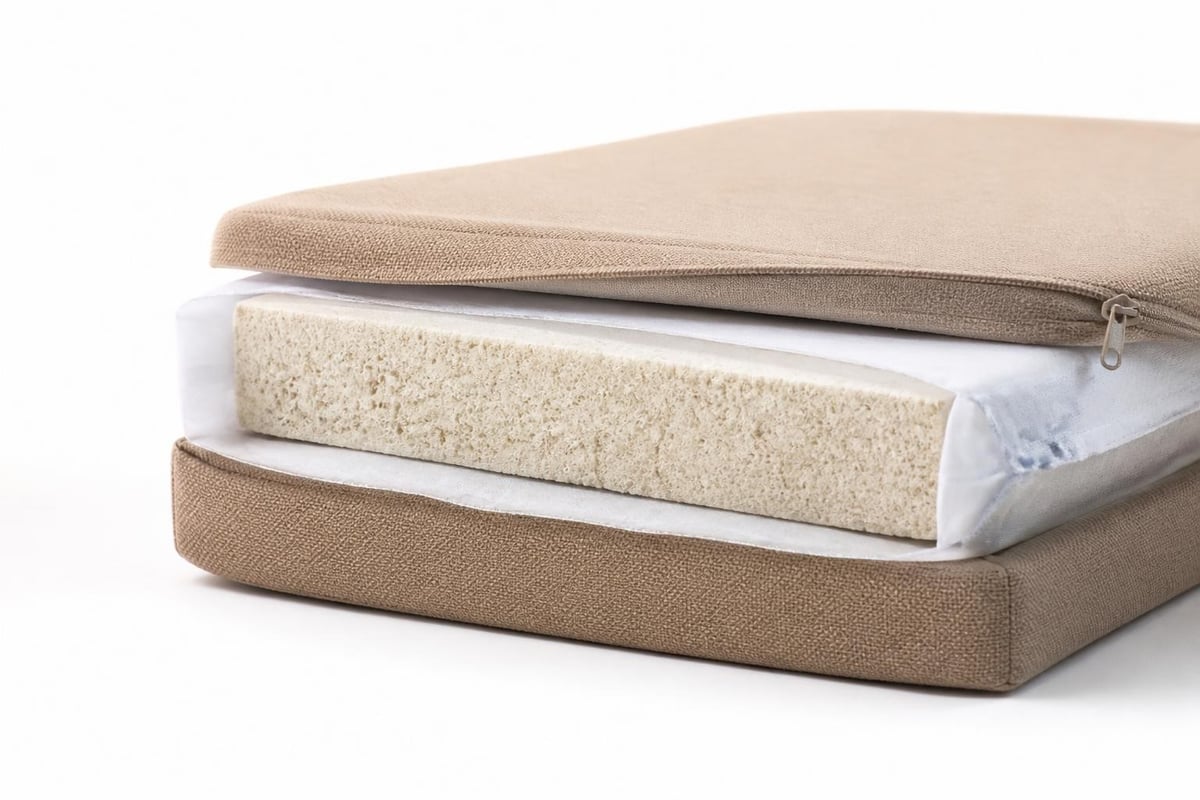
- Quick-dry foam cores that shed water and resist mold
- UV-stabilized fabrics rated for 1,500+ hours of fade resistance
- Removable, washable covers with heavy-duty zippers
- Water-repellent treatments that bead liquids rather than absorbing them
- Anti-microbial additives that prevent bacterial growth
Solution-dyed acrylic fabrics like Sunbrella have dominated commercial outdoor applications for good reason. The color is embedded throughout each fiber rather than applied as a surface treatment, making fading nearly impossible. The tight weave resists water penetration while allowing air circulation to promote drying. When a cushion does get soaked during a sudden storm, open-cell reticulated foam allows water to drain through rather than becoming a permanent sponge.
For poolside and beachfront applications where moisture exposure is constant, consider Phifertex mesh fabrics that dry almost instantly and provide cooling airflow. Some high-volume venues skip cushions entirely, opting for contoured plastic or sling seats that never need drying or storage.
Design Considerations for Different Commercial Venues
Each commercial environment presents unique requirements that shape furniture selection. A rooftop bar in Lan Kwai Fong prioritizes style, compact footprints, and the ability to reconfigure for private events. A public park in Tseung Kwan O needs vandal-resistant construction, minimal maintenance, and inclusive design that serves all community members.
Hospitality and Restaurant Applications
Hong Kong's competitive hospitality sector demands commercial outdoor seating furniture that creates memorable experiences while withstanding intensive use. Restaurant operators balance comfort that encourages longer stays and higher per-table revenue against the need for efficient turnover during peak hours.
Dining chairs need to stack efficiently for storage during typhoon season and when reclaiming space for private functions. Look for designs that stack at least six high without stability concerns. Ganging connectors allow chairs to link together, preventing the constant rearrangement that frustrated staff face in busy venues.
If you're designing a rooftop venue or elevated terrace, consider the premium outdoor sofa options that combine weather-resistant materials with the plush comfort guests expect. Deep seating creates lounge environments where guests settle in for cocktails and conversation, increasing beverage revenue while establishing your venue as a destination rather than just another restaurant.

Tables deserve equal attention. Powder-coated aluminium bases resist corrosion while providing the stability needed when guests lean on table edges. Compact laminate or porcelain tops shrug off hot plates, spilled wine, and aggressive cleaning without showing wear. For fine dining establishments, premium teak tables develop character over time while maintaining their structural integrity and smooth surfaces.
Public Spaces and Municipal Projects
Parks, plazas, waterfronts, and other public spaces require commercial outdoor seating furniture engineered for the harshest treatment imaginable. These pieces face vandalism attempts, extreme weather exposure without protective storage, and use patterns that range from elderly residents resting to teenagers using benches as skateboard obstacles.
Public space seating priorities include:
- Anchoring systems that prevent theft and displacement
- Rounded edges and tamper-resistant fasteners for safety
- Materials that resist graffiti and are easy to clean
- Accessibility compliance for users with mobility limitations
- Low maintenance requirements for budget-conscious facilities
The U.S. Access Board guidelines for outdoor developed areas provide comprehensive accessibility requirements that influence commercial outdoor seating design globally, including clear space adjacent to benches, appropriate seat heights, and transfer accessibility for wheelchair users.
Some municipalities integrate seating with green infrastructure, creating multi-functional elements that manage stormwater while providing places to rest. The EPA's green infrastructure resources demonstrate how thoughtful design connects seating, plazas, and site furnishings with sustainable stormwater management, an approach increasingly relevant as Hong Kong addresses climate adaptation.
Maintenance Protocols and Lifecycle Management
Even the most durable commercial outdoor seating furniture requires systematic maintenance to deliver its full design life. Establishing clear protocols prevents minor issues from escalating into costly replacements while keeping furniture looking fresh and inviting.
Daily and Weekly Maintenance
Daily tasks include:
- Wiping down surfaces to remove dust, pollen, and debris
- Spot-cleaning spills and stains immediately
- Checking for loose components or developing issues
- Storing cushions during off-hours if possible
Weekly maintenance adds:
- Deep cleaning with appropriate solutions for each material
- Inspecting joints, welds, and connection points
- Tightening hardware and adjusting glides
- Treating any developing corrosion or wear points
Aluminium frames clean beautifully with mild soap and water, restoring their appearance without harsh chemicals. Teak benefits from periodic scrubbing with specialized teak cleaners that remove built-up oils and grime. Cushion covers should be removed and laundered monthly or more frequently in high-use venues, following manufacturer guidelines to preserve water-repellent treatments.
Seasonal Deep Maintenance
Hong Kong's climate creates distinct seasonal maintenance needs. Before typhoon season, conduct thorough inspections and address any structural concerns that could become failures under extreme wind loads. Secure or store lightweight pieces that could become projectiles. Apply fresh protective treatments to teak and metal surfaces.
After typhoon season, assess for damage and make repairs promptly. Check drainage holes in aluminium frames haven't become blocked, allowing water to pool inside tubes where it promotes corrosion. Examine fabric for tears, UV damage, and loss of water repellency. Replace worn components before they affect guest safety or satisfaction.
| Maintenance Task | Frequency | Materials Needed | Time Required |
|---|---|---|---|
| Surface cleaning | Daily | Microfiber cloths, mild soap | 5-10 min/piece |
| Deep cleaning | Weekly | Soft brush, specialized cleaners | 15-20 min/piece |
| Hardware inspection | Weekly | Screwdriver set, hex keys | 5 min/piece |
| Cushion laundering | Monthly | Washing machine, gentle detergent | 2-3 hrs/batch |
| Frame treatment | Quarterly | Protective coatings, applicators | 30 min/piece |
Procurement Strategies and Cost Analysis
Commercial outdoor seating furniture represents a significant capital investment. Sophisticated procurement approaches the decision strategically, evaluating total cost of ownership rather than just initial purchase price. A cheaper piece that requires replacement in three years costs far more than a premium option lasting fifteen years.
Calculate total cost of ownership including:
- Initial purchase price and delivery
- Installation and assembly labor
- Annual maintenance costs (cleaning, repairs, treatments)
- Storage costs if seasonal removal is required
- Replacement timeline and residual value
- Downtime costs when furniture is unavailable
The commercial outdoor furniture market analysis from Grand View Research reveals industry trends including rising demand for sustainable materials, increasing customization, and the premium segment growth driven by hospitality expansion. These insights help inform procurement timing and negotiation strategies.
Warranty Evaluation and Vendor Selection
Commercial warranties differ substantially from residential coverage. Look for warranties that specifically address commercial applications, with clear terms about what's covered under intensive use. Frame warranties of 5-10 years indicate manufacturer confidence in structural durability. Fabric warranties of 3-5 years against fading and degradation are standard for quality solution-dyed acrylics.
Evaluate vendors on:
- Experience with Hong Kong installations and understanding of local climate
- Project references from similar commercial applications
- After-sales support including maintenance guidance and replacement parts
- Lead times and ability to meet project schedules
- Customization capabilities for branded or specific design requirements
Working with specialists who understand Hong Kong's unique environment ensures you receive appropriate product recommendations. The humid subtropical climate, typhoon exposure, and salt air in coastal locations demand different solutions than temperate or dry climates. Local expertise prevents costly specification mistakes.

Sustainability and Environmental Responsibility
Environmental consciousness increasingly influences commercial furniture procurement as organizations pursue sustainability goals and respond to guest expectations. Commercial outdoor seating furniture offers multiple opportunities to demonstrate environmental responsibility while maintaining performance and aesthetics.
Sustainable material options include:
- Recycled plastic lumber from post-consumer waste
- FSC-certified teak from responsibly managed forests
- Recycled aluminium requiring 95% less energy than virgin metal
- Bio-based cushion cores from renewable resources
- Recyclable mono-material designs that simplify end-of-life recovery
Durability itself represents sustainability. Furniture lasting fifteen years prevents the environmental impact of manufacturing, shipping, and disposing of multiple replacement cycles. Quality construction and timely maintenance extend lifecycle, reducing resource consumption and waste generation.
Consider end-of-life planning during specification. Modular designs allow component replacement rather than complete disposal. Materials that retain value encourage recycling rather than landfilling. Some manufacturers offer take-back programs, reclaiming worn furniture to recover materials for new production.
The hospitality sector faces particular scrutiny around environmental practices. Guests increasingly factor sustainability into venue selection, making environmentally responsible commercial outdoor seating furniture a competitive advantage rather than just a cost center. Transparent communication about material sourcing, lifecycle impact, and maintenance practices builds trust and brand loyalty.
Customization and Brand Integration
Commercial environments benefit from furniture that reinforces brand identity while meeting functional requirements. Customization transforms generic commercial outdoor seating furniture into distinctive brand expressions that differentiate your venue and create memorable guest experiences.
Customization opportunities include:
- Powder coat colors matching corporate identity or design themes
- Branded cushion fabrics with logos, patterns, or signature colors
- Custom dimensions optimized for specific spatial constraints
- Unique configurations that support operational workflows
- Material combinations expressing brand positioning (luxury, eco-conscious, contemporary)
Hong Kong's compact spaces often require custom dimensions that standard products can't accommodate. A narrow rooftop terrace might need chairs 5cm narrower than stock sizes to fit more covers. An irregularly shaped plaza benefits from custom benches following the perimeter curves. Work with manufacturers offering customization to maximize your available space while maintaining comfort.
Color selection deserves careful consideration. While neutral tones like grey, black, and tan offer timeless versatility, strategic color creates visual interest and supports branding. Ocean blues for waterfront venues, warm earth tones for garden restaurants, or bold contemporary hues for trendy rooftop bars all communicate distinct personalities through commercial outdoor seating furniture choices.
Selecting commercial outdoor seating furniture for Hong Kong's challenging climate requires balancing durability, comfort, aesthetics, and lifecycle costs while ensuring your investment performs flawlessly for years. By focusing on weather-resistant materials, commercial-grade construction, and systematic maintenance protocols, you create outdoor environments where guests feel welcomed and businesses thrive. Whether you're outfitting a luxury hotel, vibrant restaurant, or community gathering space, Hong Kong Outdoor Furniture offers expertly crafted collections designed specifically for our humid subtropical environment, bringing together premium materials, elegant design, and the weather resistance your commercial project demands.