

Commercial Picnic Tables for Hong Kong Projects | Guide 2026
When you're planning public spaces across Hong Kong-from school playgrounds in Tuen Mun to rooftop terraces in Central, country park rest areas in Sai Kung to university campuses in Sha Tin-the furniture you choose sets the tone for how people gather, eat, and connect. Commercial picnic tables anchor these spaces, providing durable, accessible seating that withstands Hong Kong's punishing humidity, typhoon-season downpours, and year-round heavy use. Whether you're a facilities manager, landscape architect, property developer, or community planner, understanding the materials, specifications, and design standards for commercial-grade picnic tables ensures your project delivers comfort, longevity, and exceptional value.
Why Commercial-Grade Matters in Hong Kong's Climate
Hong Kong's subtropical climate demands outdoor furniture that can handle relentless moisture, UV exposure, temperature swings, and salt air in coastal locations. Commercial picnic tables differ from residential models in several critical ways.
Built for Heavy Traffic
Commercial tables are engineered for constant use by hundreds of users per week. Frame construction, fastener quality, and surface finishes are specified to survive vandalism, spills, and impacts that would destroy lighter residential pieces.
Weather-Resistant Materials
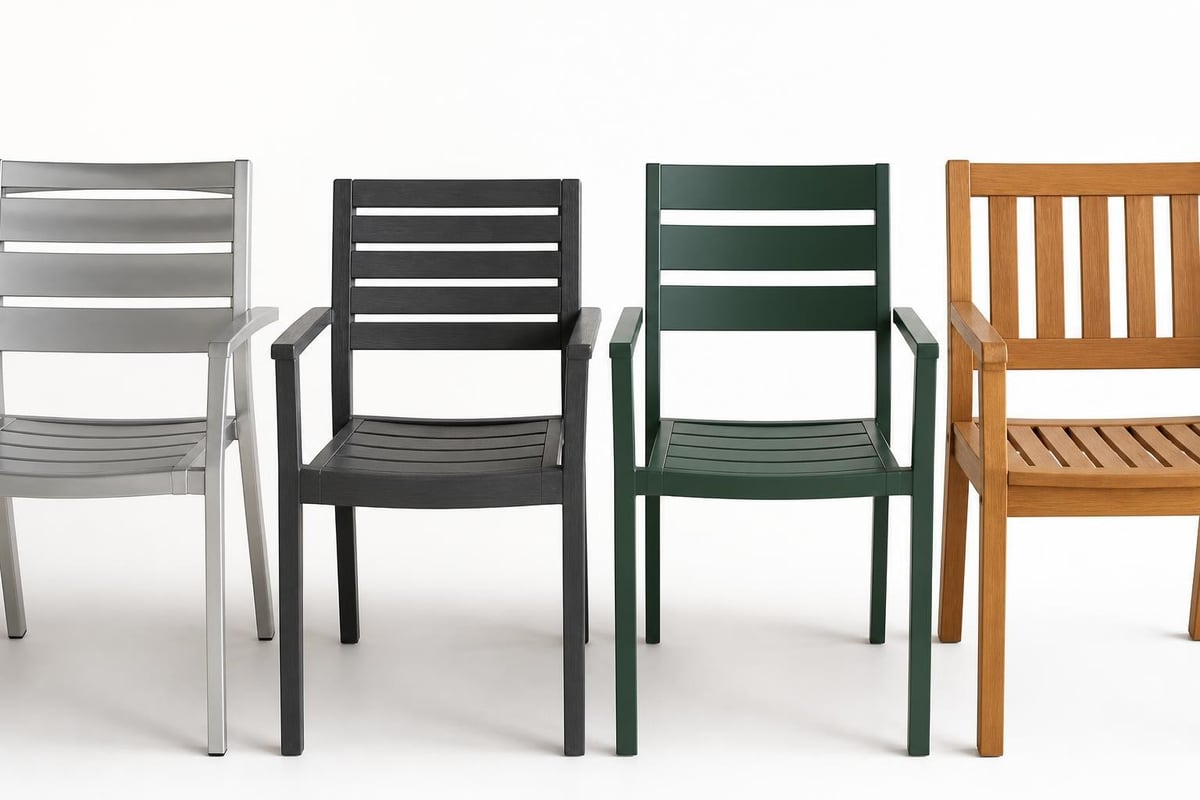
Look for powder-coated steel frames, marine-grade aluminium, recycled HDPE plastic lumber, or treated hardwood. Each material offers specific tradeoffs in weight, maintenance, cost, and sustainability. In Hong Kong's humidity, untreated steel rusts within months, and low-quality plastics fade or crack under UV exposure.
Compliance and Safety
Many public projects in Hong Kong reference international accessibility standards. Commercial picnic tables often need to meet accessibility technical provisions covering wheelchair seating, knee clearance, and approach routes-critical for inclusive design in schools, parks, and government facilities.
Material Options: Choosing the Right Fit
Selecting the right material for your commercial picnic tables depends on site conditions, budget, maintenance resources, and aesthetic goals. Here's a breakdown of the most common options across Hong Kong projects.
Recycled Plastic Lumber (HDPE)
Recycled high-density polyethylene (HDPE) has become the default choice for many municipal and school projects across Hong Kong.
Advantages:
- Zero maintenance: No painting, staining, or sealing required
- Moisture immunity: Won't rot, splinter, or harbor mold in humid conditions
- Vandal-resistant: Graffiti wipes off easily; resistant to carving and scratching
- Recycled content: Supports sustainability goals and may qualify for green building credits
- Color-through construction: Scratches don't reveal a different color underneath
Considerations:
- Heat retention: Dark colors can become uncomfortably hot in direct sun during summer
- Lower structural strength: Requires thicker profiles or more frequent supports than wood or metal
- Initial cost: Higher upfront investment, though lifecycle costs are lower
Research on recycled HDPE and wood-plastic composite lumber confirms excellent long-term performance in outdoor applications, with minimal degradation over 10+ years. The EPA's guidance on plastic lumber also notes environmental benefits when sourced from post-consumer waste streams.
Powder-Coated Steel and Aluminium
Metal frames provide exceptional strength and slim profiles, ideal for modern aesthetics in commercial developments and premium institutional settings.
| Feature | Powder-Coated Steel | Marine-Grade Aluminium |
|---|---|---|
| Weight | Heavy (difficult to move) | Moderate (easier handling) |
| Strength | Highest load capacity | Very good, lighter structure |
| Corrosion | Requires quality coating; can rust at scratches | Naturally corrosion-resistant |
| Cost | Moderate | Higher initial investment |
| Maintenance | Inspect coating annually; touch up chips | Minimal; rinse salt residue quarterly |
For Hong Kong's coastal and rooftop locations, aluminium offers superior performance. If you're furnishing a site near Victoria Harbour, Stanley Beach, or any seaside promenade, the salt air will attack exposed steel within a single wet season unless you invest in marine-grade powder coating.
Treated Hardwood and Teak
Wood delivers timeless warmth and integrates beautifully into natural settings like country parks, heritage sites, and botanical gardens.
Best Wood Options for Hong Kong:
- Pressure-treated pine: Budget-friendly; requires annual sealing
- Teak: Premium choice; naturally weather-resistant with minimal maintenance
- Acacia: Mid-range hardwood; good durability when properly finished
- Ipe and other tropical hardwoods: Extremely durable but higher cost and sustainability concerns
Wood requires more upkeep than plastic or aluminium-annual cleaning, periodic refinishing, and inspection for rot or insect damage. For projects with dedicated maintenance staff (universities, luxury developments), wood can be a worthwhile investment. For under-resourced sites (remote trail heads, small schools), recycled plastic makes more sense.
Design Considerations for Public Spaces
Beyond materials, successful commercial picnic table installations require thoughtful planning around user needs, site layout, and long-term operations.
Accessibility and Inclusive Design
Inclusive design isn't optional for most government-funded projects in Hong Kong. Even private developments benefit from welcoming all users.
Key Accessibility Features:
- Extended tabletops: Allow wheelchair users to approach from the end without hitting a bench
- Knee clearance: Minimum 27" height and 30" width under the table
- Firm, stable surfaces: Accessible routes to each table with max 1:20 slope
- Reach range: Tables between 28" and 34" high serve the widest user base
The Forest Service Outdoor Recreation Accessibility Guidelines provide detailed technical provisions that align with international best practices. Many Hong Kong landscape architects reference these standards when specifying furniture for public parks and institutional campuses.
Configuration and Layout
How you arrange commercial picnic tables impacts usability, flow, and maintenance access.
- Spacing: Allow 3-4 meters between tables for circulation and wheelchair maneuvering
- Orientation: Position tables to capture shade during peak lunch hours (11:30 AM - 2 PM)
- Grouping: Mix individual 6-person tables with larger 8-10 person units for flexibility
- Pairing with amenities: Site tables near covered shelters, water fountains, and waste bins
For school playgrounds and corporate campuses, consider modular table arrangements that can be reconfigured for events. Lightweight aluminium units on surface mounts (rather than permanent concrete footings) offer this flexibility.
Anchoring and Installation
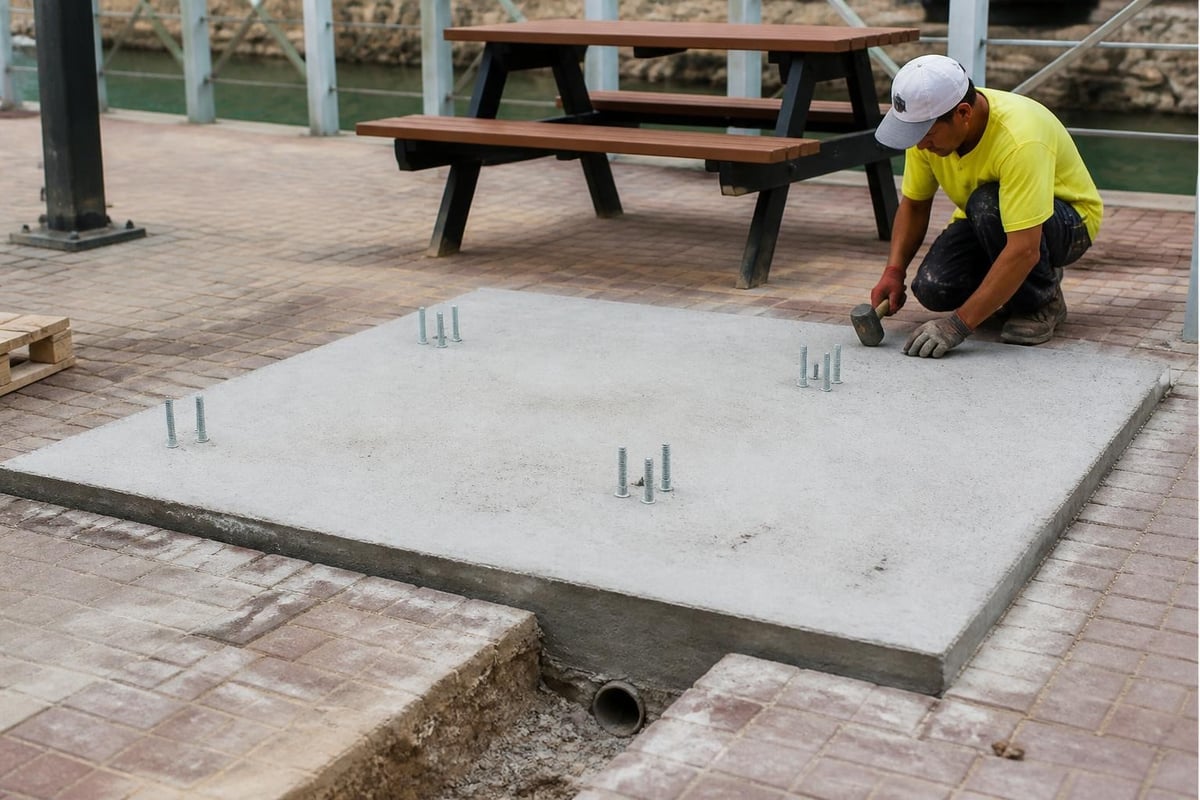
Hong Kong's typhoon season demands secure anchoring for all outdoor furniture. Commercial picnic tables typically use one of three methods:
- In-ground mounting: Steel posts set in concrete (most secure; permanent)
- Surface mount with anchor bolts: Bolted to concrete pads (secure; semi-permanent; easier removal)
- Portable weighted bases: Heavy cast bases (flexible; easier theft; less typhoon-resistant)
For high-exposure rooftop locations-common in Hong Kong's dense urban fabric-in-ground or surface-mount installation is essential. The U.S. Forest Service guidance on site furnishings covers snow load and wind resistance considerations that translate well to typhoon preparedness.
Procurement Strategies and Specifications
Getting the best value on commercial picnic tables requires clear specifications, competitive bidding, and lifecycle cost analysis.
Writing Effective Specifications
Your procurement documents should define:
- Material standards: Specify ASTM grades for plastics, metals, and lumber; powder-coat thickness for steel
- Dimensions and capacity: Tabletop size, seating capacity, ADA-compliant units
- Warranty terms: Minimum 5-year structural warranty; 10+ years for recycled plastic lumber
- Installation requirements: Anchoring method, site prep, drainage provisions
- Sustainability criteria: Recycled content percentages, FSC certification for wood, low-VOC finishes
The EPA's Comprehensive Procurement Guidelines recommend recovered-content targets for recycled-plastic picnic tables, helping public agencies meet green purchasing mandates. Hong Kong government projects increasingly reference similar sustainability benchmarks.
Comparing Total Ownership Costs
Initial purchase price is only part of the story. Calculate total cost over the expected lifespan.
Example 10-Year Cost Comparison (6-person table):
| Material | Initial Cost | Annual Maintenance | Replacement Cycle | Total 10-Year Cost |
|---|---|---|---|---|
| Recycled HDPE | HK$8,500 | HK$100 (cleaning) | 15+ years | HK$9,500 |
| Powder-coated steel & hardwood | HK$6,200 | HK$600 (refinishing, inspection) | 12 years | HK$12,200 |
| Treated pine | HK$4,500 | HK$800 (staining, repairs) | 7 years | HK$12,500 |
Recycled plastic's higher upfront investment pays back through eliminated refinishing and extended service life-especially valuable for remote sites or organizations with limited maintenance budgets.
Vendor Evaluation
When sourcing commercial picnic tables in Hong Kong, prioritize suppliers who offer:
- Local stock and support: Faster delivery and warranty service
- Customization options: Color matching, logo integration, size variations
- Installation services: Site assessment, concrete work, anchoring
- Replacement parts: Availability of seats, tabletops, and hardware for repairs
At Hong Kong Outdoor Furniture, we understand the unique demands of commercial projects across the city. If you're specifying furniture for a broader outdoor environment-combining dining areas with comfortable lounge zones-explore how our Outdoor Dining Table & Chairs Set collection balances the same climate-resilient construction with elegant design for institutional and residential projects.
Special Applications Across Hong Kong
Different site types present unique requirements for commercial picnic tables. Here's how to approach common Hong Kong settings.
School and University Campuses
Educational institutions need furniture that survives enthusiastic (and sometimes careless) student use while supporting outdoor learning and dining.
Priorities:
- Durability over aesthetics: Recycled plastic or steel frames stand up to daily abuse
- Easy cleaning: Smooth surfaces that rinse clean after spills
- Movable options: Some tables on casters or lightweight enough to reconfigure for events
- Shade integration: Pair tables with parasols or position under existing tree canopies
Many international schools in Hong Kong (Discovery Bay, Repulse Bay) install commercial picnic tables in outdoor learning pavilions, creating flexible spaces for art classes, group projects, and lunch periods.
Country Parks and Trail Heads
Hong Kong's extensive country park network requires furniture that handles remote locations, infrequent maintenance, and heavy weekend traffic.
Key Features:
- Vandal-resistant construction: Steel hardware; color-through plastic that hides scratches
- Weatherproofing: Full exposure to rain, humidity, and sun without shelter
- Low maintenance: Quarterly inspections at most
- Natural aesthetics: Wood-look recycled plastic or genuine hardwood to blend with surroundings
The Agriculture, Fisheries and Conservation Department (AFCD) increasingly specifies recycled-plastic commercial picnic tables for trail rest areas, balancing environmental messaging with practical durability.
Corporate Campuses and Science Parks
Premium commercial developments in Cyberport, Science Park, and TKO demand furniture that projects quality and supports employee wellbeing.
Design Considerations:
- Contemporary aesthetics: Slim aluminium frames; wood accents; integrated power/USB (for some models)
- Modular systems: Mix picnic tables with separate benches, lounge seating, and work surfaces
- Shade and shelter: Integrate with architectural canopies or high-quality market parasols
- Placemaking: Custom colors, logos, or materials that reinforce brand identity
These environments often blend commercial picnic tables with more refined outdoor dining furniture to create varied zones-casual picnic areas near food trucks, formal dining terraces for client meetings, and quiet work nooks with individual tables.
Rooftop Gardens and Podium Decks
Hong Kong's limited ground-level space drives outdoor amenities upward. Rooftop installations face extreme wind exposure, weight limits, and waterproofing concerns.
Rooftop-Specific Needs:
- Lightweight materials: Aluminium or hollow recycled-plastic profiles reduce structural loads
- Secure anchoring: Surface-mount or weighted bases that won't penetrate waterproofing membranes
- Wind resistance: Low-profile designs; tables tested to typhoon wind speeds
- UV performance: Premium powder coats and UV-stabilized plastics for intense sun exposure
Consult structural engineers early to confirm load capacity. Distribute furniture weight across load-bearing columns and beams rather than concentrating it in slab centers.
Maintenance Best Practices
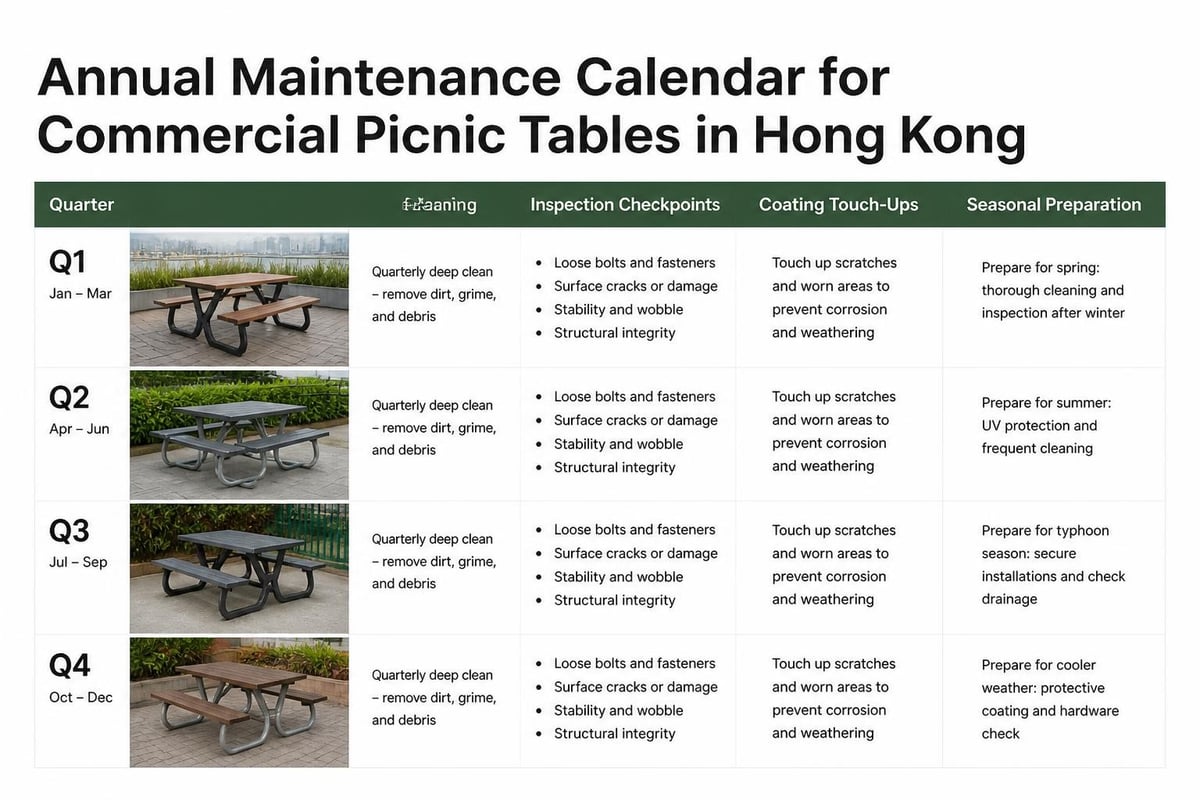
Even low-maintenance commercial picnic tables benefit from systematic care. Establish a routine that matches your material choice and site conditions.
Quarterly Tasks (All Materials)
- Remove debris, leaves, and standing water from tabletops and seats
- Rinse with mild detergent solution and hose down thoroughly
- Inspect hardware (bolts, brackets, anchors) for looseness or corrosion
- Check for trip hazards, sharp edges, or loose components
- Clear drainage routes around table bases
Annual Inspections
- Recycled plastic: Check for UV fading or structural cracks (rare but possible after 10+ years)
- Powder-coated metal: Inspect coating for chips or rust spots; touch up immediately with manufacturer-matched paint
- Wood: Sand rough spots; apply fresh stain or sealant according to product specs; check for rot in joints
Seasonal Preparations
Before typhoon season (May through November), confirm all anchor bolts are tight and tables are secure. After major storms, inspect for impact damage and standing water that might indicate drainage problems.
The Philadelphia Parks & Recreation Design and Construction Standards offer municipal-level maintenance protocols that scale well to commercial and institutional applications-useful templates for developing your own maintenance schedule.
Sustainability and Environmental Impact
As Hong Kong organizations embrace ESG commitments and green building certifications, the environmental footprint of site furnishings matters.
Sustainable Material Choices:
- Recycled content: HDPE picnic tables divert plastic waste from landfills; specify minimum 90% post-consumer content
- FSC-certified wood: Ensures responsible forestry practices for teak, acacia, or tropical hardwoods
- Recyclability at end-of-life: Aluminium and steel frames can be fully recycled; plastics may be downcycled into new products
- Local sourcing: Reduces shipping emissions; supports regional manufacturing
Durability as Sustainability
The longest-lasting commercial picnic tables-often recycled plastic or marine-grade aluminium-avoid the environmental cost of frequent replacement. A 15-year service life beats a 5-year product replaced three times, even if the initial embodied energy is higher.
Some Hong Kong developers pursue BEAM Plus credits (Hong Kong's green building rating) or LEED certification. Specify furniture with environmental product declarations (EPDs) and third-party certifications to streamline documentation.
Selecting commercial picnic tables for Hong Kong projects requires balancing durability, accessibility, aesthetics, and lifecycle costs in one of the world's most demanding climates. Whether you're furnishing a school campus, country park, or rooftop garden, the right materials and thoughtful planning create spaces where people gather comfortably for years to come. At Hong Kong Outdoor Furniture, we bring the same climate-tested expertise and premium craftsmanship to every outdoor environment-from casual dining zones to elegant lounge areas that transform how you live and work outdoors.