

Iron Table and Chairs: Classic Style for Hong Kong Outdoors
Iron table and chairs have graced outdoor spaces for centuries, bringing a sense of permanence, elegance, and old-world charm that few other materials can match. In Hong Kong, where outdoor living spaces range from compact Mid-Levels balconies to spacious Sai Kung garden terraces, the appeal of iron furniture remains strong among homeowners who appreciate classic design and substantial quality. These pieces anchor outdoor dining areas with visual weight and character, creating inviting spaces where families gather for weekend dim sum al fresco or friends linger over evening cocktails with harbor views.
Why Iron Remains a Timeless Choice for Outdoor Furniture
The enduring popularity of iron table and chairs stems from their distinctive aesthetic and structural integrity. Unlike lightweight aluminum or resin alternatives, iron furniture conveys stability and craftsmanship that speaks to traditional garden design while adapting beautifully to contemporary Hong Kong outdoor spaces.
The Heritage and Character of Iron Furniture
Iron has been shaped into outdoor furniture since the Victorian era, when foundries created ornate garden benches and café tables that still grace European parks today. That heritage translates into modern designs that reference these classic forms while incorporating updated proportions and finishes suitable for today's lifestyles.
Key characteristics that define iron furniture:
- Substantial weight that resists Hong Kong's occasional typhoon winds
- Ability to be cast into intricate patterns and decorative details
- Natural material authenticity that weathers gracefully when properly maintained
- Compatibility with both traditional and contemporary design schemes
- Longevity that makes these pieces multi-generational investments
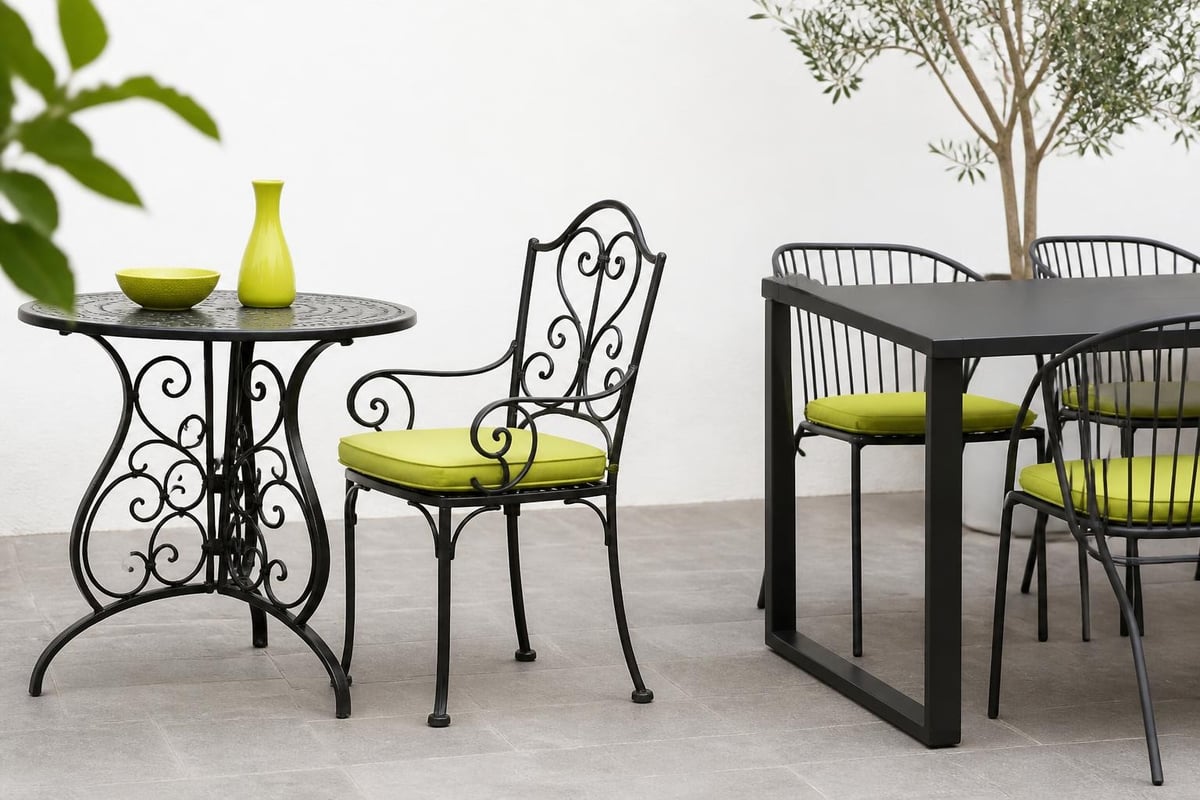
The dense molecular structure of iron makes it inherently strong, allowing designers to create slender profiles that don't sacrifice structural integrity. This means an iron table and chairs set can feature delicate-looking scrollwork or geometric patterns while remaining robust enough for daily use on a Discovery Bay terrace or Stanley rooftop.
Understanding Iron's Material Properties
Iron used in outdoor furniture typically comes in two forms: cast iron and wrought iron. Cast iron is poured into molds to create decorative shapes, making it ideal for ornamental pieces with repeating patterns. Wrought iron, by contrast, is worked by hand or machine, resulting in furniture with a more refined, linear appearance. According to materials science research on wrought iron properties, the lower carbon content in wrought iron makes it more malleable and resistant to certain types of stress.
Both types bring distinct advantages to outdoor furniture design:
| Iron Type | Manufacturing | Best For | Characteristics |
|---|---|---|---|
| Cast Iron | Molded in sand casts | Ornate chairs, decorative table bases | Heavy, intricate details, traditional aesthetic |
| Wrought Iron | Forged and shaped | Table frames, modern designs, railings | Stronger, more flexible, cleaner lines |
| Powder-Coated Iron | Either type with protective finish | Hong Kong climate conditions | Corrosion resistance, color variety |
The choice between these types depends on your design preferences and the specific demands of your outdoor space. A traditional Repulse Bay villa might feature cast iron chairs with floral motifs, while a contemporary Quarry Bay balcony could showcase wrought iron furniture with minimalist geometry.
Designing with Iron Table and Chairs in Hong Kong Spaces
Incorporating iron table and chairs into Hong Kong's unique outdoor environments requires thoughtful consideration of scale, finish, and arrangement. Our city's compact outdoor spaces demand furniture that balances presence with proportion.
Scale and Proportion for Small Balconies
Many Hong Kong apartments feature balconies measuring just 20-30 square feet, where every inch counts. An iron table and chairs set designed for these spaces should prioritize slim profiles and stackable or foldable chairs that can be stored when not in use.
Optimal dimensions for compact Hong Kong balconies:
- Round tables: 60-75cm diameter for two to three people
- Rectangular tables: 70cm x 100cm maximum footprint
- Chair width: 45-50cm to allow easy movement
- Table height: Standard 75cm for comfortable dining
The visual weight of iron actually works to your advantage in small spaces. Rather than appearing crowded, a well-chosen iron bistro set creates a focal point that defines the balcony as an intentional dining area rather than leftover space. This is particularly effective on Kowloon Tong balconies where the furniture needs to hold its own against urban backdrop views.
Color and Finish Options
While traditional iron furniture often features black or dark bronze finishes, modern powder-coating technology opens up a spectrum of possibilities that can transform how iron pieces interact with their surroundings.
- Classic black: Timeless, hides minor scratches, complements any plant palette
- Charcoal grey: Softer than black, reduces heat absorption in sunny locations
- White or cream: Expands visual space, ideal for shaded Sheung Wan courtyards
- Bronze or copper tones: Warm metallics that echo heritage architecture
- Custom colors: Greens, blues, or terracotta to coordinate with specific design schemes
These protective powder-coat finishes do more than add color. They create a barrier against moisture and oxygen, the primary culprits in iron corrosion, which is especially important in Hong Kong's humid climate where rust can develop quickly on unprotected metal surfaces.
Maintaining Iron Furniture in Hong Kong's Humid Climate
Hong Kong's combination of high humidity, salt air in coastal areas, and monsoon rains creates challenging conditions for iron furniture. Understanding these environmental factors helps you implement maintenance practices that preserve your investment for decades.
The Science of Rust and Corrosion
When iron is exposed to moisture and oxygen, it undergoes oxidation, forming iron oxide, commonly known as rust. The forms of corrosion that affect metal furniture vary depending on environmental conditions, but in Hong Kong's coastal climate, general surface corrosion and pitting corrosion are most common. Once rust begins, it can spread beneath paint or coating layers, causing them to bubble and flake.
Factors that accelerate iron corrosion in Hong Kong:
- Relative humidity above 70% (our year-round norm)
- Salt spray in areas within 1-2km of the harbor or ocean
- Standing water in furniture crevices after rain
- Scratches or chips that expose bare metal to elements
- Contact between iron and dissimilar metals creating galvanic corrosion
Understanding these mechanisms empowers you to take preventive action rather than reactive repairs.
Practical Maintenance Routines
Regular care keeps iron table and chairs looking pristine and structurally sound. The good news is that maintenance doesn't require specialized skills, just consistent attention.
Monthly maintenance (15 minutes):
- Wipe down all surfaces with a damp cloth to remove dust and salt residue
- Inspect joints and crevices where water might collect
- Check for any chips or scratches in the finish
- Dry thoroughly with a clean towel, especially after rain
Seasonal deep cleaning (twice yearly):
Following research-backed cleaning methods for outdoor metal furniture, use mild soap and water with a soft brush to clean ornate areas. Rinse completely and dry immediately. Apply automotive paste wax to create an additional protective layer that beads water away from the surface.
Annual touch-ups:
Address any rust spots immediately by sanding lightly with fine-grit sandpaper, applying rust-inhibiting primer, and touching up with matching paint. This prevents small problems from becoming structural issues.
For those seeking professional-grade durability combined with elegant design, exploring curated collections like our Outdoor Dining Table & Chairs Set reveals options specifically engineered for Hong Kong's demanding climate while maintaining the aesthetic appeal that makes iron furniture so desirable.
Design Styles and Aesthetic Versatility
One of iron's greatest strengths lies in its ability to adapt to virtually any design aesthetic. Whether your outdoor space channels French bistro charm or sleek contemporary minimalism, iron table and chairs can be specified to match.
Classic and Traditional Designs
Traditional iron furniture draws inspiration from 19th-century European garden design, featuring curves, scrollwork, and nature-inspired motifs. These pieces work beautifully in Hong Kong spaces that embrace colonial or heritage aesthetics.
| Design Element | Description | Best Suited For |
|---|---|---|
| Scrollwork backs | Curved metal forming decorative patterns | Sai Kung gardens, heritage properties |
| Lattice patterns | Geometric diamond or square grids | Traditional Peak residences |
| Cabriole legs | Curved table and chair legs | Formal outdoor dining areas |
| Floral motifs | Rose, vine, or leaf patterns in cast iron | Romantic balcony gardens |
These traditional designs often feature dark finishes that allow the ornamental details to stand out. They pair exceptionally well with natural stone flooring, climbing jasmine or bougainvillea, and vintage-style outdoor lighting.
Contemporary and Modern Interpretations
Modern iron furniture strips away ornamentation in favor of clean lines, geometric forms, and industrial aesthetics that complement Hong Kong's urban architecture. These pieces often feature:
- Straight legs and rectangular table tops
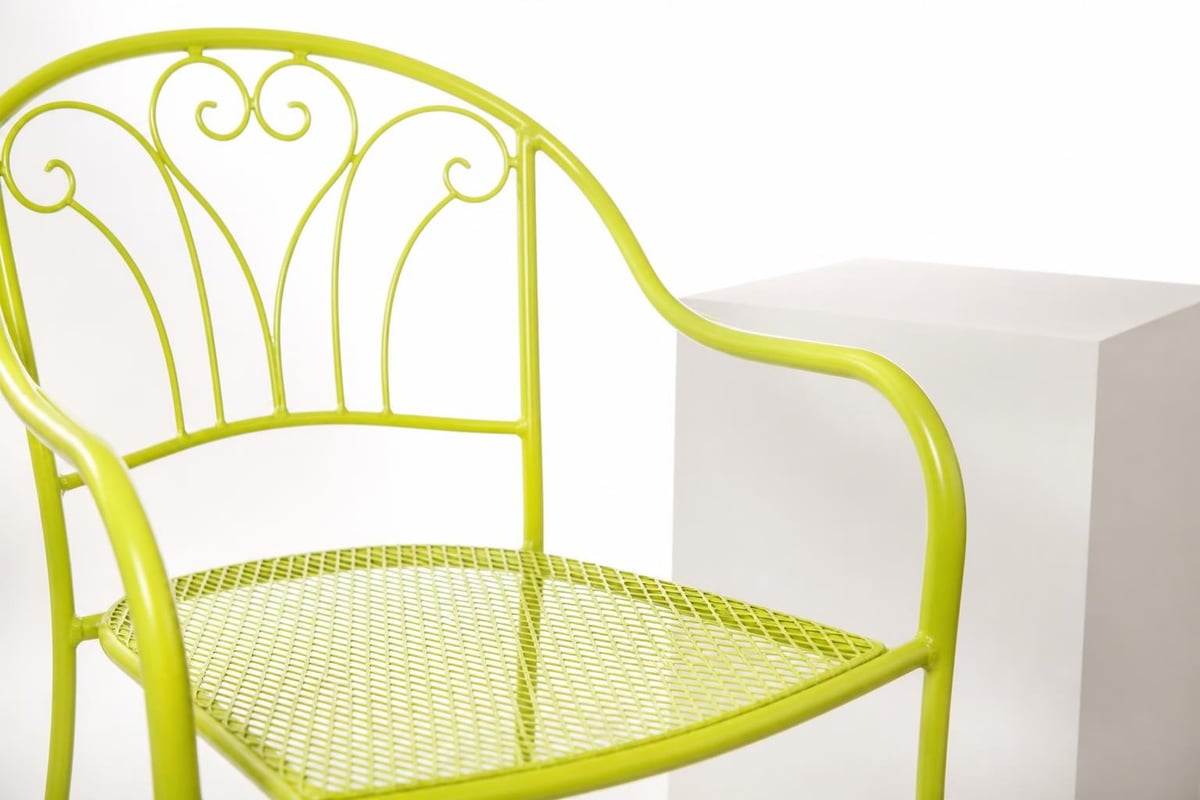
- Mesh or perforated metal seats and backs
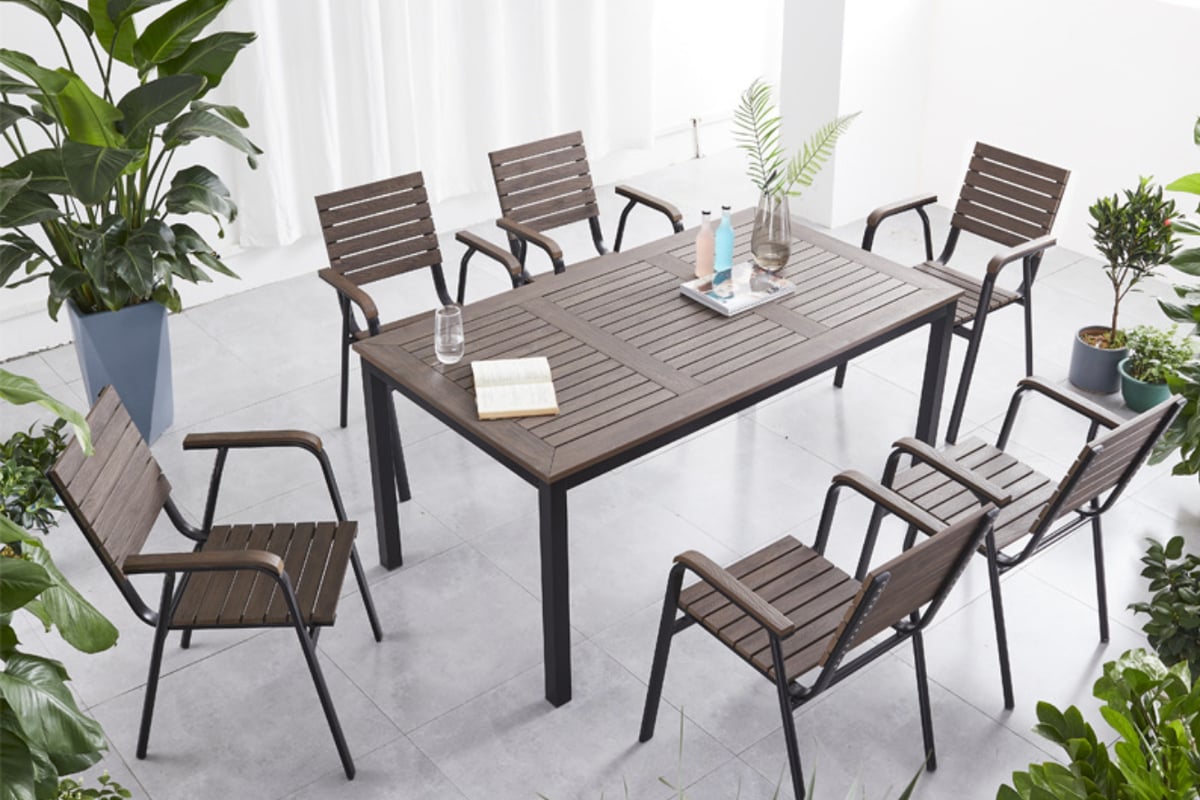
- Mixed materials like iron frames with wooden or glass tabletops
- Matte black or raw metal finishes
- Minimalist silhouettes with maximum structural efficiency
Contemporary iron table and chairs excel on rooftop terraces in areas like Wan Chai or Causeway Bay, where they echo the vertical lines of surrounding buildings while creating comfortable outdoor dining environments. The honest expression of materials, visible welds, and functional forms align perfectly with industrial-chic and modern design sensibilities that many Hong Kong homeowners favor.
Selecting the Right Iron Furniture for Your Space
Making an informed purchase requires evaluating several factors beyond aesthetic preference. The right iron table and chairs will serve your lifestyle needs while fitting seamlessly into your available space.
Assessing Your Outdoor Environment
Start by documenting your space's characteristics:
Environmental factors:
- Sun exposure: Full sun, partial shade, or fully shaded?
- Wind exposure: Protected courtyard or exposed rooftop?
- Salt proximity: Within 1km of harbor or ocean?
- Drainage: Does water pool or drain freely?
Functional requirements:
- Typical number of diners: Two, four, six, or more?
- Usage frequency: Daily, weekends, special occasions?
- Activity types: Casual dining, formal entertaining, working outdoors?
- Storage availability: Can chairs be stored during typhoon season?
These considerations directly impact which iron furniture specifications will perform best. A sun-drenched Southside terrace demands UV-resistant finishes and perhaps lighter colors to reduce heat absorption, while a sheltered Kowloon Tong courtyard can accommodate darker tones and more ornate designs without weather concerns.
Quality Indicators and What to Look For
Not all iron furniture is created equal. When evaluating options, examine these quality markers:
- Finish quality: Smooth, even coating with no drips, runs, or bare spots
- Joint construction: Welded joints should show clean, strong welds without gaps
- Weight and gauge: Thicker metal indicates better quality and longevity
- Protective features: Rubber or plastic feet to prevent scratching and moisture contact
- Warranty coverage: Reputable manufacturers offer multi-year finish warranties
Higher-quality pieces also feature thoughtful design details like drainage holes in chair seats to prevent water accumulation and slightly recessed screw heads that won't catch clothing or skin.
Styling and Accessorizing Iron Outdoor Dining Areas
Once you've selected your iron table and chairs, thoughtful styling transforms functional furniture into an inviting outdoor room that extends your Hong Kong home's living space.
Cushions and Textiles for Comfort
Iron chairs, while beautiful and durable, benefit significantly from cushions that add comfort for extended dining or lounging. In Hong Kong's climate, choose outdoor fabrics with these characteristics:
- Solution-dyed acrylic: Resists fading, mildew, and moisture
- Quick-dry foam cores: Prevents waterlogging during rainy season
- Removable, washable covers: Essential for maintaining freshness
- Neutral or coordinating colors: Softer tones balance iron's visual weight
Add seat cushions at minimum, and consider back cushions for chairs used during lengthy weekend brunches or evening entertaining. Storage bags or a weatherproof deck box protect cushions when not in use, extending their lifespan considerably.
Complementary Furniture and Accessories
Build a complete outdoor environment around your iron table and chairs by layering in complementary pieces:
Essential additions:
- Umbrella or shade sail for sun protection
- Outdoor rug to define the dining zone and soften hard surfaces
- Side table for serving or drinks
- Planters with herbs or flowers at varying heights
- Outdoor lighting (string lights, lanterns, or wall-mounted fixtures)
For comprehensive outdoor living solutions that coordinate seamlessly with iron dining furniture, explore options at Hong Kong Outdoor Furniture, where curated collections consider both aesthetic harmony and climate-appropriate materials.
Sustainability and Lifecycle Considerations
As environmental consciousness grows among Hong Kong consumers, understanding the lifecycle impact of furniture choices becomes increasingly relevant. Iron offers several sustainability advantages worth considering.
Durability Equals Reduced Replacement
The most sustainable furniture is furniture that lasts. Quality iron table and chairs can serve for 20-30 years or more with proper maintenance, dramatically reducing the environmental impact compared to furniture requiring replacement every 3-5 years.
This longevity also makes economic sense. While initial investment may be higher than resin or low-grade aluminum alternatives, cost-per-year of ownership favors durable iron furniture, particularly for homeowners who plan to remain in their properties long-term.
Recyclability and End-of-Life Options
Iron is one of the most recyclable materials on earth. When furniture finally reaches the end of its useful life, the metal retains value and can be melted down and reformed into new products with minimal quality loss. According to EPA guidance on recycling ferrous metals, steel and iron are among the most successfully recycled materials globally, with established collection and processing infrastructure.
In Hong Kong, several scrap metal dealers will collect old iron furniture, either for a small fee or sometimes paying for heavier pieces. This circular lifecycle makes iron a more environmentally responsible choice than plastics or composite materials that typically end up in landfills.
Environmental benefits of iron furniture:
- High recycled content in manufacturing (often 30-50%)
- Indefinitely recyclable without degradation
- No microplastic shedding or off-gassing
- Biodegradable rust if discarded (though recycling is preferred)
- Local manufacturing possible (shorter supply chains)
Common Challenges and Practical Solutions
Even with proper selection and maintenance, iron furniture owners occasionally encounter issues. Knowing how to address these challenges prevents minor annoyances from becoming major problems.
Managing Heat Absorption
Iron's density means it absorbs and retains heat in direct sunlight, potentially making chairs uncomfortable on hot afternoons. Solutions include:
- Positioning furniture in partially shaded areas during peak sun hours
- Choosing lighter-colored finishes that reflect rather than absorb heat
- Adding cushions with breathable fabrics
- Installing retractable awnings or shade sails
- Timing outdoor meals for morning or evening when temperatures moderate
On covered balconies or naturally shaded courtyards common in older Hong Kong buildings, heat absorption rarely presents problems.
Preventing and Addressing Surface Rust
Despite protective finishes, rust occasionally appears, especially after finish damage. Early intervention prevents spreading:
For surface rust:
- Sand affected area with 120-grit sandpaper until bare metal appears
- Wipe clean with white vinegar to neutralize remaining rust
- Dry completely (use hair dryer if needed)
- Apply rust-inhibiting primer
- Touch up with matching paint when primer dries
For stubborn rust in decorative crevices:
- Use a wire brush or steel wool to reach detailed areas
- Apply naval jelly rust remover following product directions
- Rinse thoroughly and dry completely before refinishing
Regular inspection catches rust while it's still surface-level and easily managed rather than structural.
Stabilizing Furniture on Uneven Surfaces
Many Hong Kong balconies and terraces have slight slopes for water drainage, causing iron tables to wobble. Rather than tolerating instability:
- Install adjustable furniture levelers (screw-in type)
- Use thin rubber or composite shims under short legs
- For permanent installations, consider small adhesive felt pads
- On tiled surfaces, ensure table feet rest on tile centers, not grout lines
Stability matters both for comfort and to prevent finish damage from furniture shifting during use.
Combining Iron with Other Materials
While iron table and chairs sets offer complete solutions, mixing materials creates visual interest and functional advantages that pure iron pieces can't achieve alone.
Wood and Iron Combinations
Pairing iron table frames or chair bases with wooden tops and seats softens the industrial edge while adding warmth. Teak, in particular, shares iron's durability and weather resistance, making it an ideal companion material for Hong Kong outdoor spaces.
Popular wood-iron combinations:
- Iron table base with teak or acacia tabletop
- Iron chair frames with slatted wooden seats and backs
- Iron side tables with reclaimed wood shelves
- Mixed dining sets with iron chairs and wooden bench seating
These combinations work especially well on wooden deck surfaces where they create material continuity between furniture and flooring.
Glass Tops for Visual Lightness
Tempered glass tabletops over iron bases maintain the structural benefits of metal while creating visual transparency that helps small spaces feel larger. This approach is particularly effective on compact Hong Kong balconies where solid tabletops might feel overwhelming.
Glass also simplifies cleaning compared to intricate ironwork, as smooth surfaces wipe clean quickly after outdoor meals. Choose thick tempered glass (minimum 8mm) with polished or beveled edges for safety and longevity.
Iron table and chairs bring enduring beauty, substantial quality, and design versatility to Hong Kong's diverse outdoor spaces, from heritage terraces to contemporary rooftop gardens. With thoughtful selection based on your space's specific conditions, proper maintenance that addresses our humid climate, and styling that expresses your personal aesthetic, these classic pieces create outdoor dining environments that welcome family and friends for years to come. Whether you're furnishing a compact Mid-Levels balcony or a spacious Clearwater Bay garden, Hong Kong Outdoor Furniture offers expertly curated collections designed specifically for our city's climate, combining timeless elegance with the performance and durability your outdoor space deserves.