

Planter Bench Design for Hong Kong Outdoor Spaces
A planter bench transforms compact outdoor spaces by blending comfortable seating with lush greenery, creating a practical solution for Hong Kong's vertical living. These dual-purpose pieces are especially valuable in our city where every square foot counts, whether you're designing a cozy balcony in Mid-Levels, a rooftop terrace in Tsim Sha Tsui, or a poolside retreat in Discovery Bay. By 2026, planter bench installations have become a signature element of thoughtful Hong Kong outdoor design, addressing both our hunger for nature and our need for flexible, space-efficient furniture.
Why Planter Bench Solutions Suit Hong Kong Living
Hong Kong's unique outdoor living challenges make the planter bench an ideal choice for homeowners and designers alike. Our limited square footage, subtropical humidity, and year-round outdoor use demand furniture that works harder and smarter.
Space efficiency stands out as the primary benefit. A well-designed planter bench occupies the footprint of a single piece while delivering two distinct functions: comfortable seating and integrated greenery. On a 40-square-foot balcony in Sai Ying Pun, this dual-purpose approach can mean the difference between a cramped space and a welcoming outdoor room.
Climate Considerations for Material Selection
Hong Kong's weather patterns significantly influence planter bench longevity and performance. Our humid summers, occasional typhoons, and brief cool-dry winters create specific material requirements.
- Powder-coated aluminum frames resist rust and corrosion during monsoon season
- Marine-grade stainless steel hardware prevents degradation from salt air in coastal areas
- Teak or synthetic composite slats handle moisture cycling without warping
- UV-resistant finishes maintain color despite intense subtropical sun exposure
Research from the USDA Forest Service confirms that wood-plastic composites demonstrate superior moisture durability over 20 years, making them particularly suitable for Hong Kong's consistently humid conditions. This long-term performance matters when you're investing in integrated outdoor furniture.
The American Wood Council's 2024 design standards provide guidance on species selection and exterior wood performance, helping you understand which natural materials will thrive in Hong Kong's climate versus those that require excessive maintenance.
Design Approaches for Different Hong Kong Spaces
The beauty of planter bench design lies in its adaptability to various outdoor settings throughout Hong Kong. Each location presents unique opportunities and constraints.
Balcony Installations in High-Rise Buildings
Balconies in Hong Kong residential towers typically range from 20 to 80 square feet, with weight restrictions and wind exposure shaping every design decision. A planter bench installation here requires careful structural planning.
| Design Element | Consideration | Typical Specification |
|---|---|---|
| Bench depth | Balcony width constraint | 45-60 cm total depth |
| Planter capacity | Weight load on slab | 15-25 cm soil depth |
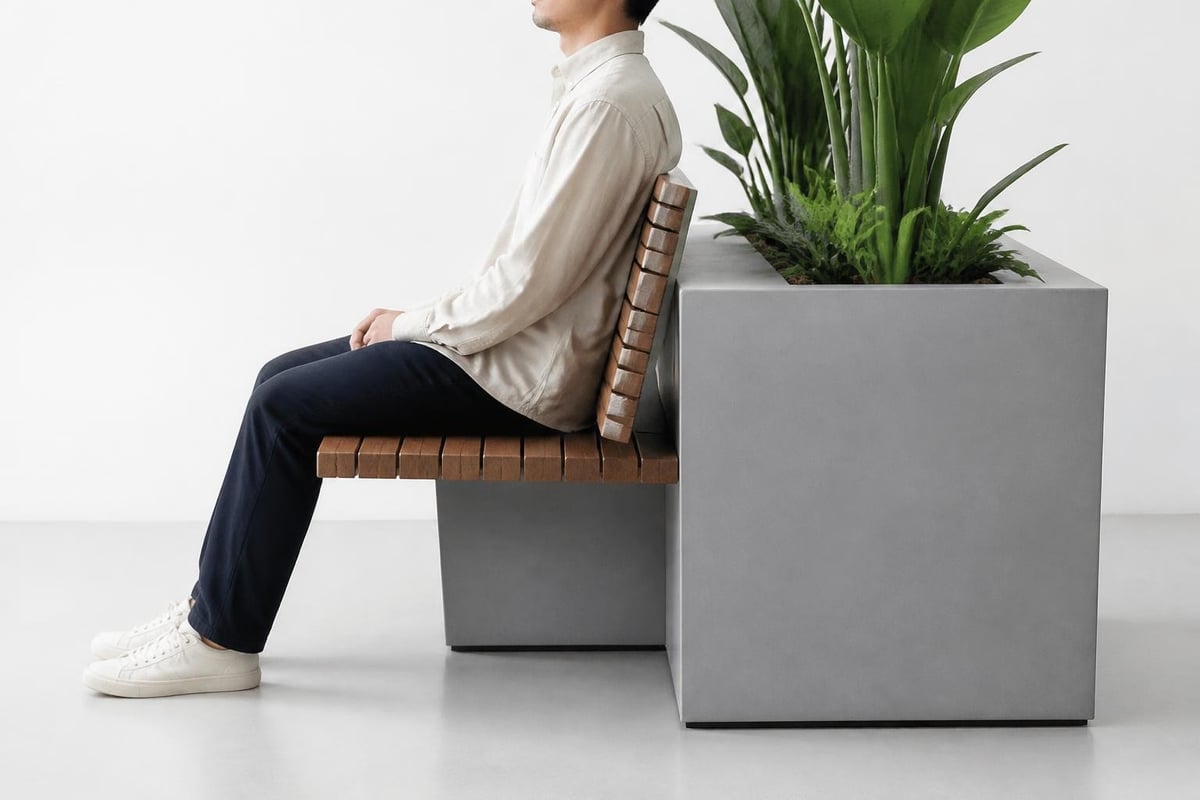
| Seat height | Comfortable sitting | 42-45 cm from floor |
| Back support | Wind resistance | Secured to wall or railing |
Weight becomes critical on Hong Kong balconies. Building management offices typically impose load limits between 200-400 kg per square meter. A planter bench filled with saturated soil, plants, and seated occupants must stay well within these parameters. Using lightweight growing media and aluminum construction helps maintain safe loads while maximizing functionality.
Peninsula planning guidance, similar to San Francisco's Better Streets approach, emphasizes ergonomic dimensions and durable material choices for urban seating. These principles apply whether you're designing for public spaces or private balconies.
Rooftop Terrace Applications
Rooftop spaces in Hong Kong offer more generous dimensions but introduce different challenges. Wind, sun exposure, and drainage require thoughtful planter bench placement and construction.
Corner installations create natural gathering spots while providing wind breaks on exposed rooftops. A planter bench positioned along the perimeter defines zones without blocking views across Victoria Harbour or toward the Peak. The integrated planters soften hard surfaces and reduce heat reflection from concrete slabs.
Proper drainage becomes even more critical on rooftops. Penn State Extension's stormwater management guidance offers technical specifications for overflow systems and growing media selection. While focused on downspout planters, these principles directly apply to any elevated planter bench installation where water must drain efficiently without damaging the waterproofing membrane below.
Material Selection and Construction Details
The longevity of your planter bench depends heavily on material choices and construction quality. Hong Kong's climate accelerates degradation of inferior materials, making upfront investment in premium components worthwhile.
Frame and Structure Options
Powder-coated aluminum delivers the best performance-to-weight ratio for Hong Kong planter bench frames. The material resists corrosion, weighs significantly less than steel, and accepts durable finishes in any color. Quality powder coating withstands UV exposure and moisture without flaking or fading.
- Marine-grade aluminum extrusions (6063-T5 or better)
- Multi-stage pre-treatment before powder coating
- Minimum 60-micron coating thickness for outdoor exposure
- Stainless steel fasteners throughout assembly
Solid teak remains the premium natural wood choice, prized for its natural oils that resist moisture and decay. However, teak requires annual cleaning and periodic oiling to maintain its golden tone. Left untreated, it weathers to an attractive silver-gray patina.
Synthetic alternatives like high-density polyethylene (HDPE) lumber or wood-plastic composites offer low-maintenance performance with realistic wood grain textures. These materials never need sealing or staining, though they lack the prestige and authentic warmth of genuine teak.
Planter Construction and Waterproofing
The planter portion requires careful detailing to protect both plants and structure. Poor waterproofing leads to staining, corrosion, and premature failure.
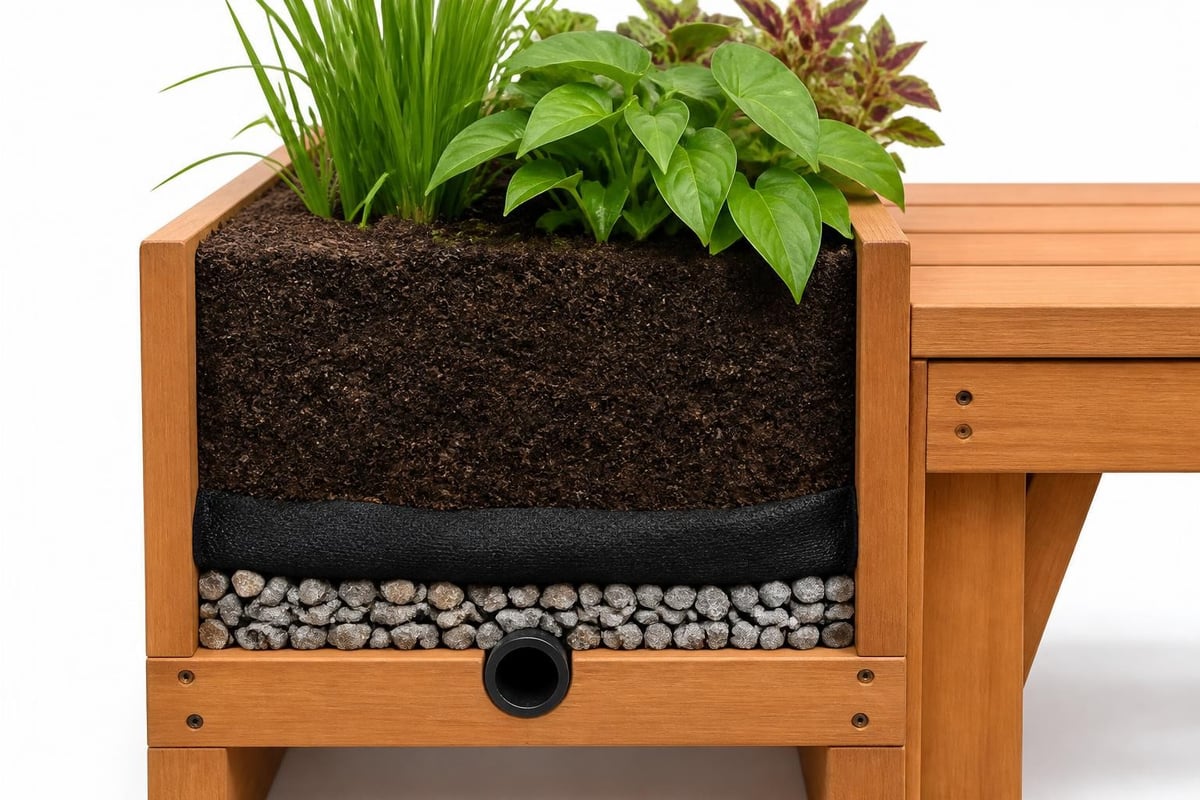
A properly constructed planter bench includes multiple protective layers:
- Marine-grade plywood or aluminum base with gentle slope toward drainage
- Waterproof membrane (EPDM rubber or PVC) lining entire interior
- Drainage layer of expanded clay pellets or gravel (3-5 cm)
- Landscape fabric separator preventing soil migration
- Quality growing medium formulated for container planting
- Discrete overflow outlets preventing water accumulation
UC Davis Health's design guidelines illustrate institutional-grade specifications for integrated planter seating, including seat widths, structural details, and durable construction methods applicable to residential projects.
Plant Selection for Integrated Planters
Choosing the right plants transforms a planter bench from a functional piece into a living focal point. Hong Kong's climate supports diverse options, but container constraints require strategic selection.
Best Performers in Planter Bench Containers
Ornamental grasses bring movement and texture without overwhelming nearby seating. Varieties like purple fountain grass or Japanese forest grass tolerate partial shade and handle Hong Kong humidity gracefully. Their compact root systems suit shallow planter depths.
| Plant Category | Recommended Species | Key Benefits |
|---|---|---|
| Grasses | Carex, Ophiopogon, Festuca | Texture, low maintenance, shallow roots |
| Succulents | Agave, Echeveria, Sedum | Drought tolerance, architectural form |
| Perennials | Salvia, Scaevola, Plumbago | Color, continuous bloom, heat tolerance |
| Shrubs | Dwarf boxwood, Loropetalum | Structure, year-round interest, screening |
Fragrant plants enhance the sensory experience of your outdoor space. Star jasmine cascading over the planter bench front or dwarf gardenia tucked beside the seating area rewards you with evening perfume. Rosemary and lavender offer culinary herbs within arm's reach while deterring mosquitoes, a practical consideration during Hong Kong's humid months.
Container Depth Requirements
Different plants demand varying soil depths for healthy root development. Most planter bench designs offer 25-35 cm of growing depth after drainage layers.
Shallow-rooted plants (15-20 cm depth needed): Succulents, lettuce, herbs, ground covers, sedums, and most annuals thrive in compact containers. These work perfectly for planter bench installations where weight and space limit soil volume.
Medium-rooted plants (25-35 cm depth needed): Perennial flowers, ornamental grasses, dwarf shrubs, and smaller vegetables like peppers need moderate depth. This range matches standard planter bench capacity.
Deep-rooted plants (40+ cm depth needed): Larger shrubs, small trees, tomatoes, and root vegetables require deeper containers than most planter benches provide. Reserve these for separate planters or in-ground beds.
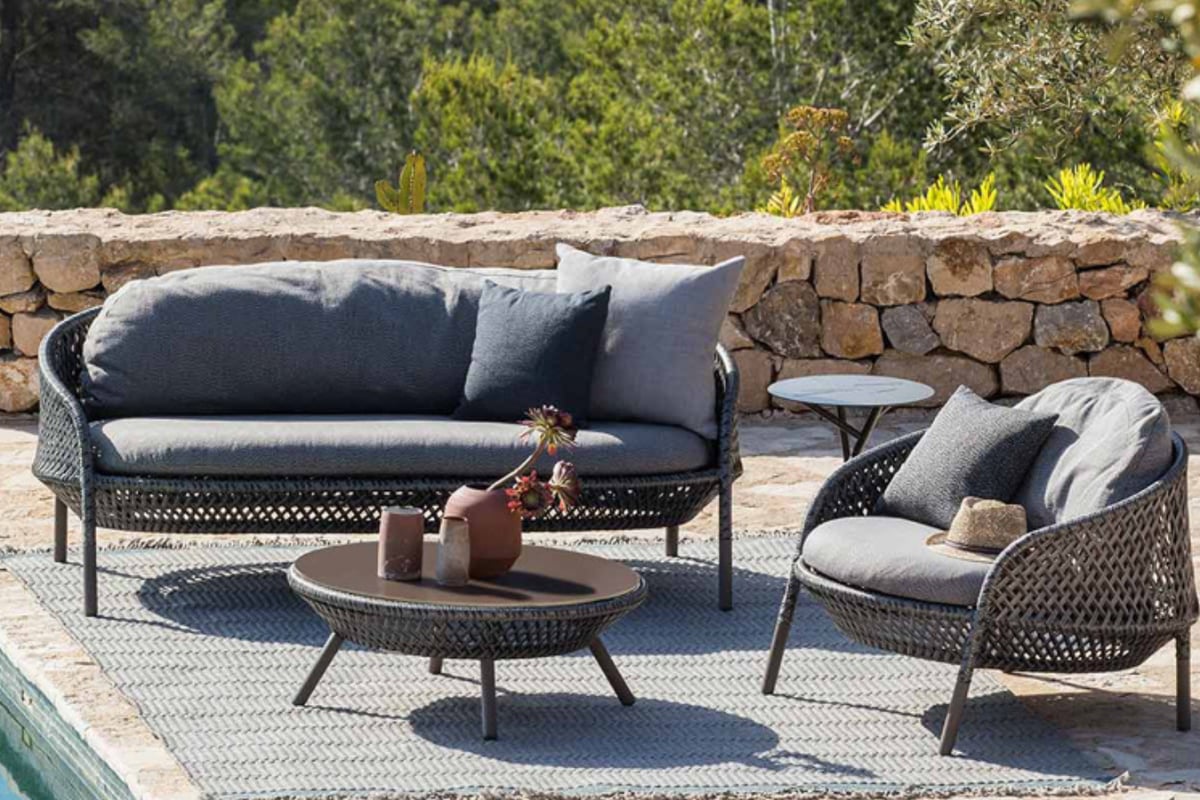
If you're creating an outdoor sofa lounge area, coordinating standalone planters around your seating arrangement offers more flexibility for larger plant specimens while a nearby planter bench provides intimate herb growing and casual perch seating.
Installation Considerations for Hong Kong Properties
Successfully installing a planter bench in Hong Kong requires navigating building regulations, weight restrictions, and practical access challenges unique to high-density urban living.
Building Management Approval Process
Most Hong Kong residential buildings require management approval for balcony or rooftop alterations. Submit detailed drawings showing dimensions, weight calculations, and attachment methods at least 4-6 weeks before installation.
Your submission should include:
- Scaled drawings with exact placement and dimensions
- Material specifications and total weight calculations
- Waterproofing details and drainage plans
- Confirmation that no structural modifications are needed
- Contractor insurance documentation
Buildings erected after 2012 typically have stricter requirements following updates to building codes. Consult your Deed of Mutual Covenant for specific restrictions on external alterations.
Delivery and Access Logistics
Hong Kong's narrow streets, small lifts, and restricted service hours complicate furniture delivery. A planter bench measuring 180 cm long must often be partially assembled on-site.
Professional installation teams familiar with Hong Kong logistics understand service lift dimensions, building access windows, and efficient on-site assembly. They coordinate with building management for loading bay reservations and may need to crane large pieces to upper-floor rooftops.
The National Park Service planning guidance for site furnishings addresses durability and maintenance expectations that apply equally to residential and public installations, helping you understand long-term care requirements.
Maintenance Through Hong Kong's Seasons
A planter bench requires ongoing care to maintain both its structural integrity and the health of its plants. Hong Kong's distinct wet and dry seasons create different maintenance rhythms.
Monsoon Season Care (May-September)
Heavy rainfall and high humidity dominate Hong Kong summers. Your planter bench faces maximum moisture exposure during these months.
- Check drainage outlets weekly to prevent water accumulation
- Inspect waterproof liners for tears or separation at seams
- Trim plants to maintain air circulation and prevent fungal issues
- Clean metal surfaces monthly to remove moisture-holding debris
- Tighten hardware as wood swells and metals expand
Overwatering becomes the primary risk during monsoon season. Plants in planter benches receive abundant rainfall, often requiring no supplemental irrigation for weeks. Monitor soil moisture before watering to prevent root rot.
Cool-Dry Season Maintenance (October-March)
Hong Kong's comfortable autumn and winter months bring lower humidity and minimal rainfall. Plant water needs increase while structural maintenance demands decrease.
Irrigation frequency rises as plants receive less natural rainfall. Container plantings dry faster than in-ground beds, especially on windy rooftops. Check soil moisture every 2-3 days and water deeply when the top 3-4 cm feels dry.
Annual tasks during the cool season include:
- Deep cleaning all surfaces, removing salt deposits and grime
- Refinishing wood elements with teak oil or protective sealant
- Refreshing growing medium, adding compost and slow-release fertilizer
- Pruning overgrown plants and dividing overcrowded perennials
- Inspecting structure for any developing issues before the next monsoon
Customization Options and Design Flexibility
Off-the-shelf planter benches serve many needs, but custom fabrication unlocks perfect integration with your specific Hong Kong outdoor space. Local craftsmen and specialized outdoor furniture makers can accommodate unique dimensions and features.
Dimensional Customization
Standard planter bench dimensions don't always fit Hong Kong balconies. A custom piece can match your exact available width, accommodate angled corners, or wrap around architectural features like columns or air conditioning units.
Common customization requests include:
- Non-standard lengths to maximize odd-width balconies (Hong Kong flats often have 210 cm or 270 cm balcony widths rather than round meters)
- Curved designs that follow rounded balcony edges in premium developments
- Integrated lighting within planter boxes or beneath seat overhangs
- Storage compartments below hinged seat sections for cushion storage
- Removable planters allowing seasonal changeovers or winter storage
Accessibility Considerations
For commercial projects or residential spaces serving elderly residents, ADA accessibility standards inform appropriate seat heights, clearances, and approach zones. While U.S. regulations don't directly govern Hong Kong, the ergonomic principles ensure comfortable access for all users.
Seat height matters significantly for ease of use. Standard planter benches at 42-45 cm suit most adults, but lowering to 40 cm or adding armrests assists those with mobility limitations. Commercial spaces should provide a mix of seating heights.
Cost Considerations and Investment Value
Planter bench pricing in Hong Kong varies dramatically based on materials, size, customization, and brand. Understanding the cost structure helps you make informed decisions balancing budget and quality.
Price Ranges by Material and Construction
| Material/Quality Level | Typical Price (HKD) | Expected Lifespan | Maintenance Level |
|---|---|---|---|
| Basic aluminum/composite | 3,500-7,000 | 5-8 years | Low |
| Mid-range powder-coated aluminum | 8,000-15,000 | 10-15 years | Low-Moderate |
| Premium teak/aluminum hybrid | 15,000-28,000 | 15-25 years | Moderate |
| Custom fabricated luxury | 28,000-50,000+ | 20-30 years | Moderate-High |
Installation costs add 10-20% for professional setup including delivery, assembly, soil and plant installation, and building coordination. DIY assembly saves money but requires confidence working with tools and managing logistics.
The investment value extends beyond immediate function. A quality planter bench enhances property appeal, increases usable outdoor square footage, and provides enjoyment for decades. When comparing costs, calculate the annual cost over the expected lifespan rather than just the upfront price.
Integration with Complete Outdoor Designs
A planter bench rarely functions in isolation. It becomes most valuable when integrated into a cohesive outdoor design that addresses multiple needs and creates distinct zones within your Hong Kong outdoor space.
Zoning Small Balconies
Creating visual separation helps small balconies feel more spacious and organized. A planter bench positioned perpendicular to the building defines a seating area distinct from a dining spot or entry transition.
On a 50-square-foot balcony, place a 120-cm planter bench along one side, creating a reading nook with a small side table. The raised planters provide privacy screening from neighboring units while keeping floor space open for circulation. Add outdoor dining furniture on the opposite end, and you've created two distinct functional zones from minimal square footage.
Coordinating with Existing Furniture
Material and style consistency ties your outdoor space together visually. If your existing furniture features powder-coated black aluminum, select a planter bench with matching frames even if seat materials differ.
Alternatively, embrace intentional contrast. A warm teak planter bench against cool gray aluminum dining furniture creates visual interest through controlled variation. Tie the palette together through coordinating cushion fabrics and accessories.
Seasonal Styling and Plant Rotation
Hong Kong's year-round outdoor living allows creative seasonal styling of your planter bench. Rotating plants and accessories keeps the space feeling fresh and responsive to the calendar.
Spring Refresh (February-April)
As temperatures rise and humidity increases, refresh your planter bench with bright seasonal color and fragrance.
- Replace winter plants with heat-tolerant annuals
- Add pink and white petunias or million bells for cascading color
- Include basil, mint, and cilantro for kitchen convenience
- Introduce citrus-scented geraniums for natural mosquito deterrence
Light, bright cushions in botanical prints or coastal stripes celebrate the arrival of warmer weather. Swap heavy textured fabrics for quick-drying performance textiles that shed afternoon rain showers.
Autumn Transition (September-November)
Hong Kong's most pleasant outdoor months deserve special attention. Comfortable temperatures and lower humidity make this prime season for outdoor living.
- Plant chrysanthemums and ornamental kale for fall color
- Add ornamental peppers in orange and purple tones
- Include fragrant herbs like rosemary and thyme
- Consider edible additions like Swiss chard and lettuce
Warm-toned cushions and throws extend evening use as temperatures drop slightly. This season sees maximum outdoor furniture use in Hong Kong, making your planter bench a daily destination.
Environmental Benefits Beyond Aesthetics
A planter bench delivers measurable environmental benefits alongside its visual and functional appeal. These advantages matter increasingly to Hong Kong residents concerned about urban sustainability and personal wellness.
Urban Heat Island Mitigation
Plants actively cool surrounding air through evapotranspiration, the process of releasing water vapor through leaves. A planter bench filled with healthy plants can reduce nearby air temperatures by 1-3 degrees Celsius on hot days, making your balcony more comfortable during summer afternoons.
Dark paving and building materials dominate Hong Kong's urban landscape, absorbing and radiating heat. Every square meter of vegetation helps counterbalance this heat island effect, creating micro-climates of comfort.
Air Quality Improvement
Living plants filter particulates from Hong Kong's air, trapping dust and pollution on leaf surfaces. While a single planter bench won't transform air quality, multiple planted elements across balconies throughout a building create measurable improvement.
Species selection influences filtering capacity. Plants with larger leaf surface areas and slightly fuzzy or waxy leaves capture more particulates. Ficus, spider plants, and rubber plants excel at air purification in Hong Kong's climate.
Biodiversity Support
Urban gardens provide critical habitat for pollinators, beneficial insects, and small birds. Even a modest planter bench contributes to Hong Kong's urban ecology by offering nectar sources, nesting materials, and safe perches.
Choose flowering plants that bloom in succession throughout the year, ensuring continuous food sources. Native and near-native species like Hong Kong orchid tree (in larger containers) or local salvias support specialized pollinators better than exotic ornamentals.
A thoughtfully designed planter bench maximizes your Hong Kong outdoor space by combining comfortable seating with lush greenery, addressing both our practical space constraints and our desire to connect with nature. Whether you're enhancing a compact balcony or designing an expansive rooftop terrace, the right planter bench creates a beautiful, functional focal point that performs reliably in our humid subtropical climate. Hong Kong Outdoor Furniture offers premium outdoor furniture collections designed specifically for Hong Kong's unique conditions, bringing exceptional comfort and timeless style to your balcony, rooftop, garden, or poolside space with pieces built to last for years of enjoyment.