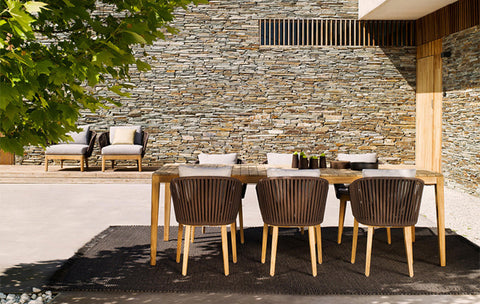


Wooden Garden Table and Chairs: Hong Kong Buyer's Guide
Creating an inviting outdoor dining space transforms how you experience your Hong Kong home. Whether you have a rooftop terrace overlooking Victoria Harbour, a cozy Mid-Levels balcony, or a lush garden in the New Territories, wooden garden table and chairs bring warmth, natural beauty, and timeless appeal to any outdoor setting. Wood's organic texture and character create a welcoming atmosphere that synthetic materials simply cannot replicate, making every meal outdoors feel special. Yet choosing the right wooden furniture for Hong Kong's subtropical climate requires understanding which wood species, finishes, and maintenance routines will keep your investment beautiful for years to come.
Why Choose Wooden Garden Table and Chairs for Hong Kong
Wood offers distinct advantages that make it a preferred choice for outdoor dining furniture, even in Hong Kong's challenging climate. The natural material ages gracefully, developing a silvery patina that many homeowners find attractive, particularly in garden settings where organic aesthetics complement landscaping.
Natural Beauty That Complements Hong Kong's Green Spaces
Wooden furniture creates visual harmony with plants, stone, and water features common in Hong Kong gardens and rooftop spaces. The grain patterns and warm tones provide textural interest that enhances rather than competes with your outdoor environment.
Key aesthetic benefits include:
- Rich color variations from honey tones to deep chocolate browns
- Unique grain patterns that make each piece distinctive
- Natural aging that adds character over time
- Versatility to suit both traditional Chinese garden designs and contemporary minimalist spaces
- Compatibility with Hong Kong's abundance of potted plants and vertical gardens
The organic quality of wood helps soften hard architectural lines typical of Hong Kong's high-density urban environment, creating a peaceful retreat from the city's intensity.
Durability When Properly Selected and Maintained
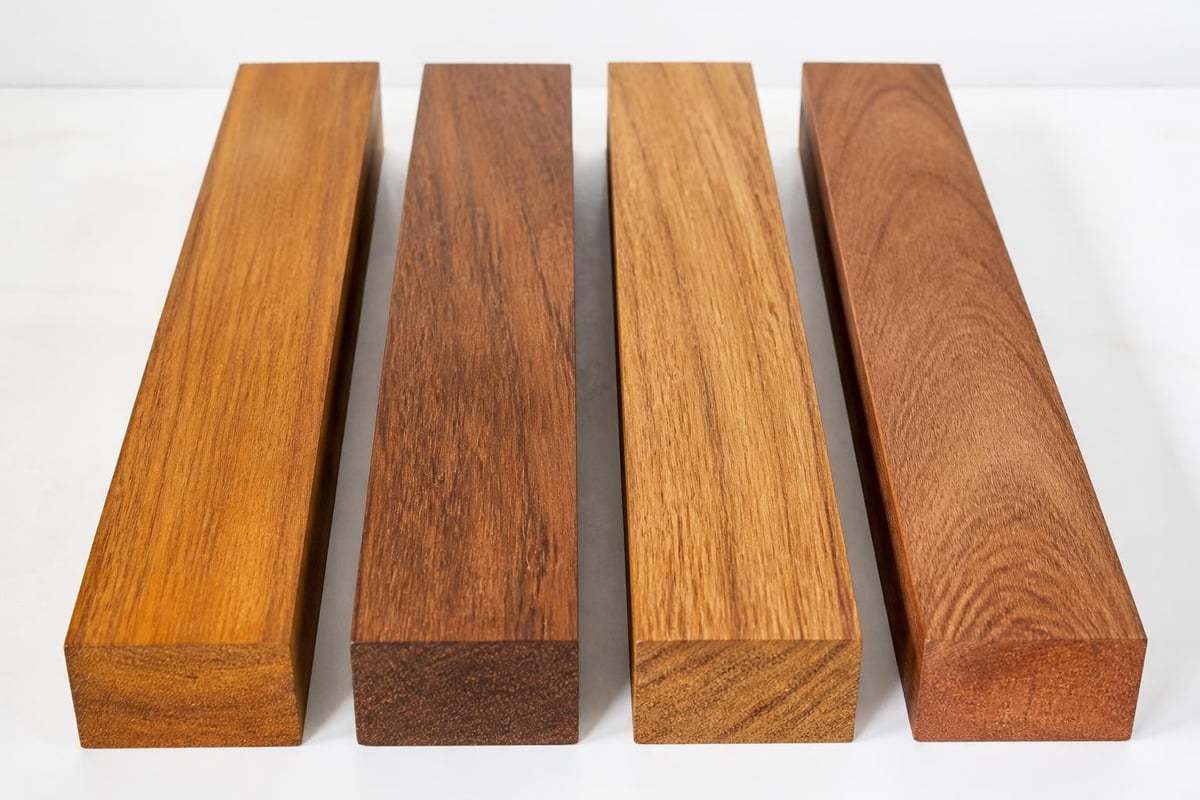
Not all woods perform equally outdoors. The Wood Database provides detailed technical profiles showing that certain species contain natural oils and dense grain structures that resist moisture, fungal growth, and insect damage, making them suitable for Hong Kong's year-round humidity averaging 75-85%.
| Wood Species | Rot Resistance | Maintenance Level | Typical Lifespan (HK Climate) | Price Point |
|---|---|---|---|---|
| Teak | Excellent | Low | 25+ years | High |
| Shorea (Balau) | Excellent | Low-Medium | 20+ years | Medium-High |
| Acacia | Good | Medium | 15-20 years | Medium |
| Eucalyptus | Fair-Good | Medium-High | 10-15 years | Low-Medium |
Choosing naturally durable species reduces the frequency of refinishing and replacement, ultimately providing better value despite higher initial costs.
Selecting the Right Wood Species for Hong Kong's Climate
Hong Kong's subtropical climate presents specific challenges: typhoon-force winds, intense UV exposure during summer months, year-round high humidity, and dramatic temperature swings between air-conditioned interiors and outdoor heat. The right wood species makes the difference between furniture that lasts decades and pieces that deteriorate within a few seasons.
Teak: The Premium Standard
Teak remains the gold standard for outdoor wooden garden table and chairs in Hong Kong. This tropical hardwood naturally produces protective oils that repel water and prevent rot, even without chemical treatment.
Plantation-grown teak offers excellent sustainability credentials while maintaining the species' legendary durability. The tight grain structure resists warping and splitting, crucial during Hong Kong's monsoon season when furniture experiences cycles of drenching rain followed by intense sunshine.
Many premium developments across Hong Kong Island, Kowloon, and the New Territories specify teak for communal outdoor spaces precisely because it maintains structural integrity and appearance with minimal intervention.
Shorea and Balau: Asian Hardwood Alternatives
Shorea species, often marketed as balau or bangkirai, provide comparable performance to teak at lower price points. These Southeast Asian hardwoods share teak's natural oil content and density, making them highly resistant to moisture damage and insect infestation.
Why shorea works well in Hong Kong:
- Indigenous to similar tropical climates across Southeast Asia
- Naturally high silica content that resists decay
- Dense grain structure (often denser than teak) that withstands physical stress
- Rich reddish-brown color that weathers to an attractive silver-grey
- More affordable than teak while offering similar longevity
For homeowners seeking premium quality wooden garden table and chairs without teak's premium price, shorea represents an intelligent compromise.
Acacia: Mid-Range Performance for Protected Spaces
Acacia offers good durability at accessible price points, making it popular for covered terraces and semi-sheltered balconies common in Hong Kong residential buildings. While not as rot-resistant as teak or shorea, properly maintained acacia furniture performs well when protected from constant direct rain exposure.
Position acacia sets under pergolas, building overhangs, or use them with outdoor parasols to extend their service life.
Design Considerations for Your Outdoor Space
Selecting wooden garden table and chairs involves more than choosing species. The design must suit your space dimensions, usage patterns, and aesthetic preferences while accommodating Hong Kong's compact outdoor areas.
Sizing for Hong Kong's Outdoor Spaces
Most Hong Kong balconies and terraces range from 50 to 150 square feet, requiring careful furniture selection to avoid overwhelming the space. Measure your area carefully, allowing 90-100cm around the table perimeter for comfortable chair movement and circulation.
Space-efficient configurations:
- Round tables (90-120cm diameter) for 2-4 people in compact corners
- Rectangular tables (120×70cm) that fit narrow balconies
- Folding or stackable chairs that store efficiently during typhoon season
- Bench seating along one side to maximize seating while reducing footprint
Consider furniture with built-in storage or multi-functional designs that serve Hong Kong's space-conscious lifestyle.
Style Integration with Hong Kong Architecture
Hong Kong's residential architecture spans colonial-era low-rise buildings, 1970s-1980s estates, and contemporary glass towers. Your wooden furniture should complement your building's character.
For heritage buildings in areas like Stanley, Repulse Bay, or the Peak, traditional designs with turned legs and classic proportions feel appropriate. Modern apartments in developments like Lohas Park or Tseung Kwan O benefit from clean-lined furniture with minimal ornamentation that echoes contemporary interiors.
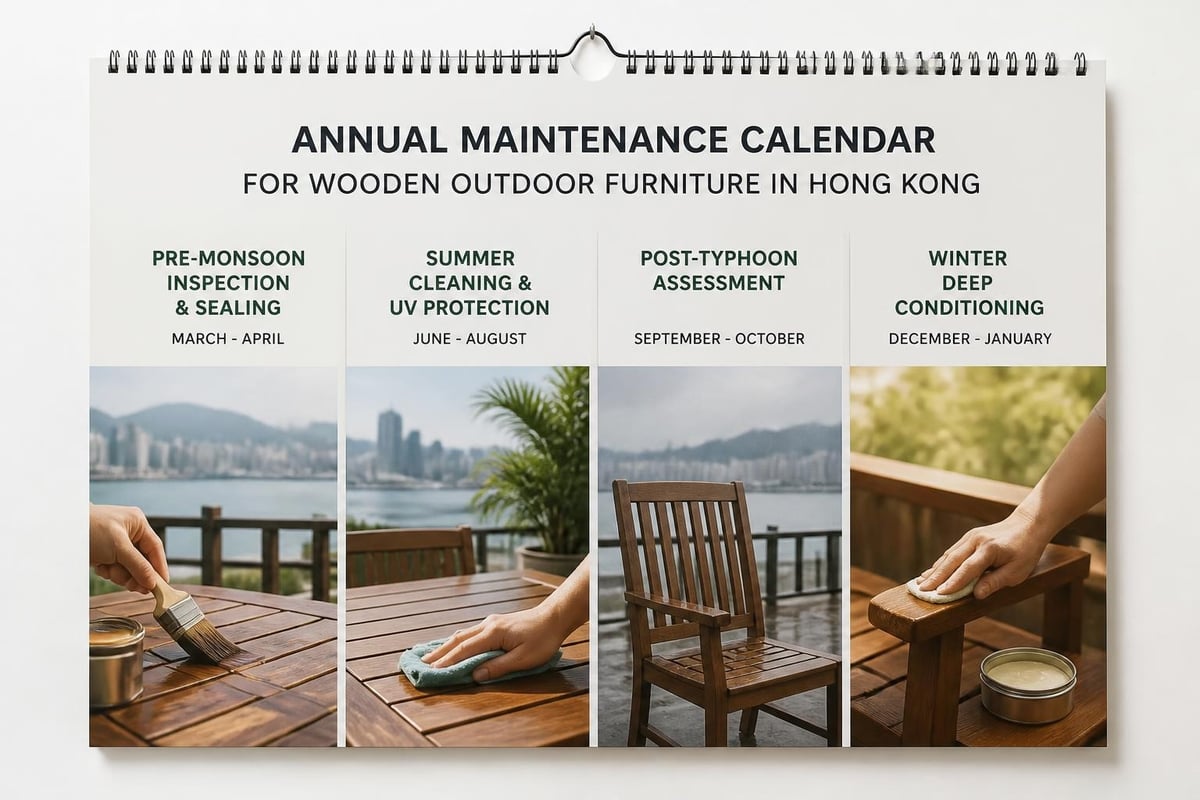
Our Outdoor Dining Table & Chairs Set collection includes designs ranging from classic to contemporary, all engineered specifically for Hong Kong's climate challenges while delivering the luxury and refinement that discerning homeowners expect.
Essential Maintenance for Hong Kong's Humid Climate
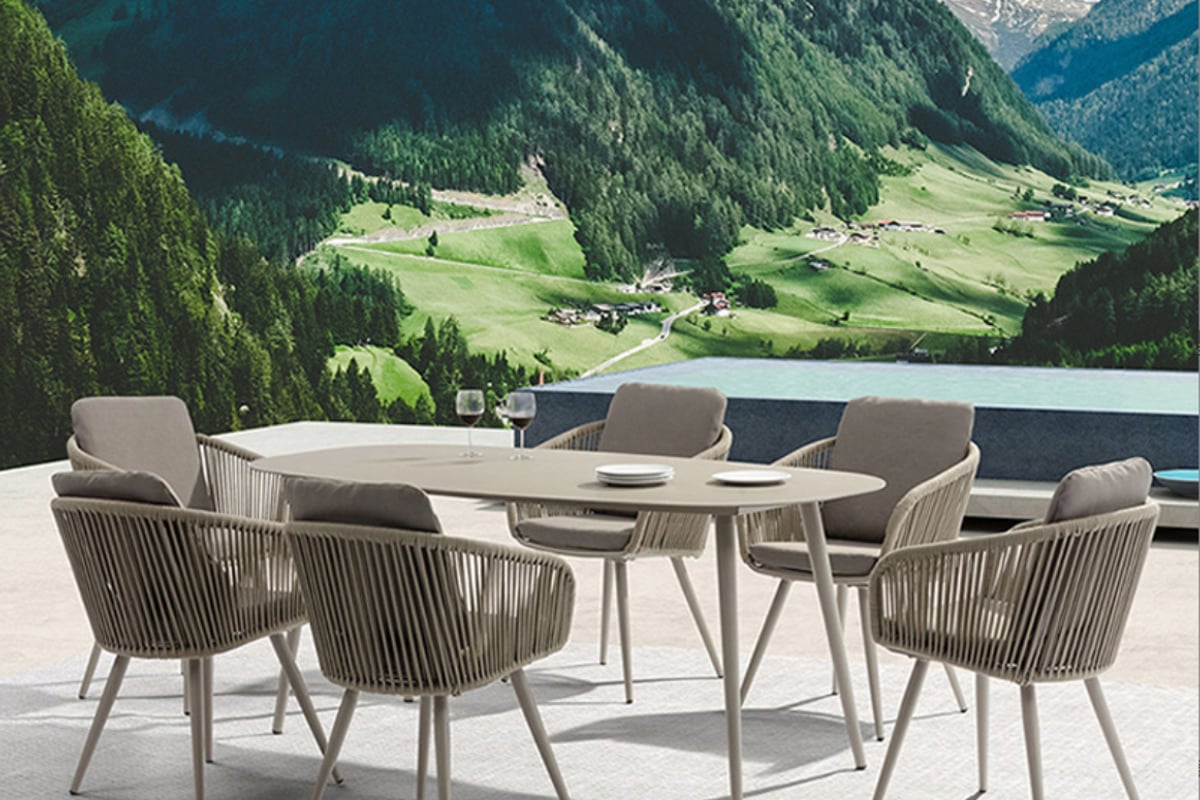
Even premium wooden garden table and chairs require regular care to maintain appearance and structural integrity in Hong Kong's demanding environment. Understanding proper maintenance prevents premature aging and extends furniture life significantly.
Cleaning and Regular Care
Hong Kong's air quality issues, particularly in urban areas, mean outdoor furniture accumulates pollution particles, salt spray (in coastal locations), and organic debris. Consumer Reports' guide to cleaning outdoor furniture provides evidence-based methods applicable to wooden pieces.
Monthly maintenance routine:
- Brush off loose dirt and debris with a soft bristle brush
- Wash with mild soap solution (avoid harsh detergents that strip natural oils)
- Rinse thoroughly with clean water
- Dry completely with microfiber cloths to prevent water spots
- Check joints and hardware for loosening due to wood movement
After typhoons or heavy rain periods, inspect furniture immediately and dry all surfaces to prevent mold establishment, which can occur within 24-48 hours in Hong Kong's humidity.
Protective Finishes and Oils
Untreated wood exposed to UV radiation and moisture cycles will eventually crack, split, and lose structural strength. This Old House's exterior stain guide explains how proper finishes protect wood fibers while enhancing appearance.
| Finish Type | Protection Level | Maintenance Frequency | Best For |
|---|---|---|---|
| Teak Oil | Moderate | Every 2-3 months | Maintaining natural color |
| UV-Protective Sealer | High | Every 6-12 months | Preventing sun damage |
| Marine Varnish | Very High | Every 12-18 months | Maximum protection |
| Natural Weathering | Low | Annual cleaning only | Silver patina preference |
For Hong Kong conditions, apply protective treatments before monsoon season (April-May) and again before winter (November) to bracket the wettest and driest periods.
The Royal Horticultural Society's maintenance advice emphasizes seasonal care routines that align well with Hong Kong's distinct wet and dry seasons.
Storage and Typhoon Preparation
Hong Kong's typhoon season (May through November) requires proactive furniture protection. While quality wooden garden table and chairs can withstand wind and rain, securing or storing furniture prevents damage from flying debris and reduces wear.
Typhoon preparation checklist:
- Monitor Hong Kong Observatory signals (store furniture at Signal 8 or higher)
- Move pieces to covered areas or indoors if possible
- Stack chairs and secure with weatherproof straps
- Lay tables flat to reduce wind resistance
- Remove cushions, parasols, and accessories entirely
Investing in weather-resistant storage boxes protects cushions and accessories during typhoon season and winter months when outdoor dining frequency decreases.
Restoring and Refinishing Weathered Wood
Even well-maintained wooden garden table and chairs eventually show age, developing grey weathering, minor surface cracks, or water stains. Rather than replacing furniture prematurely, restoration can return pieces to near-original condition.
Assessment and Preparation
This Old House's wood furniture care guide provides step-by-step restoration processes. Begin by assessing damage severity: surface weathering responds to cleaning and refinishing, while deep cracks or rot may require professional repair or replacement.
Clean thoroughly to remove all dirt, mold, and previous finish residue. Use appropriate wood cleaners designed for outdoor furniture, followed by brightening solutions that neutralize grey weathering and restore natural wood color.
Sanding and Refinishing Process
For wooden furniture showing significant weathering, light sanding removes damaged surface fibers and prepares wood to accept new protective finishes.
- Start with 80-grit sandpaper to remove weathered grey layer
- Progress to 120-grit for smoothing
- Finish with 180-grit for a refined surface
- Sand always with the grain to prevent cross-grain scratches
- Remove all dust thoroughly before applying finishes
Apply oil or sealer according to manufacturer instructions, typically requiring multiple thin coats rather than single heavy applications. Hong Kong's humidity means longer drying times between coats, so plan refinishing during drier months (October through March) for best results.
Sustainability and Responsible Wood Sourcing
Environmentally conscious Hong Kong residents increasingly prioritize sustainability when selecting outdoor furniture. Understanding wood sourcing helps make responsible choices that protect forests while obtaining quality products.
Certification Standards to Look For
Reputable suppliers provide documentation of sustainable forestry practices. Look for certifications including:
- FSC (Forest Stewardship Council): Gold standard for responsibly managed forests
- PEFC (Programme for the Endorsement of Forest Certification): International framework ensuring sustainable forest management
- Rainforest Alliance Certified: Verification of environmental and social standards
Hong Kong Outdoor Furniture sources materials from certified suppliers committed to reforestation and sustainable harvesting practices, ensuring your wooden garden table and chairs support rather than harm global forest ecosystems.
Plantation vs. Old-Growth Timber
Plantation-grown hardwoods offer environmentally responsible alternatives to old-growth timber. Modern forestry techniques produce teak, acacia, and eucalyptus with excellent quality characteristics while preserving natural forests.
Plantation timber typically matures in 15-25 years compared to centuries for old-growth trees, making it a renewable resource. Quality differences between plantation and old-growth have narrowed significantly as forestry science has advanced, meaning you needn't sacrifice performance for sustainability.
Styling Your Outdoor Dining Area
Beyond the furniture itself, creating an inviting outdoor dining environment involves thoughtful styling that maximizes comfort and aesthetic appeal within Hong Kong's unique context.
Cushions and Textiles
While wooden garden table and chairs provide structural beauty, cushions add comfort and color. Choose outdoor-grade fabrics with:
- UV resistance ratings appropriate for Hong Kong's intense summer sun
- Quick-dry foam cores that shed moisture rapidly
- Removable, washable covers for easy maintenance
- Mold and mildew resistant treatments
- Colors that complement rather than clash with wood tones
Store textile elements during heavy rain and typhoon season to extend their lifespan.
Lighting for Evening Ambiance
Hong Kong's mild winters and warm summers encourage year-round outdoor dining, making lighting essential for evening use. Consider:
Practical lighting options:
- Solar-powered table lamps (no wiring required for high-rise balconies)
- LED string lights that consume minimal power
- Battery-operated lanterns for portable, flexible lighting
- Candles in glass hurricanes for romantic ambiance and wind protection
Layer lighting types to create depth and visual interest while providing adequate illumination for dining.
Integrating Greenery
Potted plants soften the junction between wooden furniture and architectural elements while improving air quality. Select plants suited to your specific exposure (full sun, partial shade, or full shade) and Hong Kong's climate.
Popular choices include:
- Bamboo varieties for vertical interest and privacy screening
- Bougainvillea for vibrant color in sunny locations
- Ferns and peace lilies for shaded balconies
- Herbs like basil, mint, and lemongrass for culinary use
- Succulents requiring minimal watering for low-maintenance options
Position plants to frame seating areas without obstructing circulation or views.
Common Problems and Solutions
Understanding typical issues helps you address them promptly before minor problems become major damage requiring expensive repairs or replacement.
Mold and Mildew Growth
Hong Kong's humidity creates ideal conditions for mold establishment on wooden surfaces. Black or green spots indicate active growth requiring immediate attention.
Treatment approach:
- Mix solution of one part white vinegar to four parts water
- Apply with soft brush, scrubbing affected areas gently
- Rinse thoroughly and dry completely
- Apply preventive wood protector once fully dry
- Improve air circulation around furniture to reduce moisture
Persistent mold may indicate the wood has absorbed excessive moisture, requiring more aggressive treatment or professional assessment.
Structural Issues and Joint Loosening
Wood expands and contracts with humidity changes, potentially loosening joints and fasteners over time. Consumer Reports' deck safety guide discusses moisture-related structural concerns equally applicable to outdoor furniture.
Inspect joints seasonally, tightening hardware as needed and applying wood glue to loose joints before re-clamping. For significant structural damage, consult professionals rather than attempting repairs that might compromise safety.
Surface Cracking and Splitting
Fine surface cracks are cosmetic, but deep splits can admit water, accelerating rot. Fill significant cracks with marine-grade epoxy or exterior wood filler, then sand smooth and refinish.
Prevent future cracking by maintaining consistent moisture content through regular oiling and ensuring proper drainage so water doesn't pool on horizontal surfaces.
Making Your Investment Last
Quality wooden garden table and chairs represent significant investment, but proper selection and care deliver decades of service. Calculate total cost of ownership rather than just purchase price, considering maintenance requirements and expected lifespan.
Long-term value factors:
- Initial purchase price
- Annual maintenance costs (oils, sealers, cleaning supplies)
- Storage requirements and costs
- Expected lifespan before replacement
- Repair accessibility and costs
- Resale or disposal value
Premium species like teak cost more initially but require less frequent refinishing and last longer, often proving more economical over 10-15 year periods than cheaper alternatives requiring replacement every 5-7 years.
Creating a beautiful outdoor dining space with wooden garden table and chairs transforms how you experience your Hong Kong home, providing a natural retreat from urban intensity while standing up to the city's demanding subtropical climate. By selecting appropriate wood species, committing to regular maintenance, and styling thoughtfully, your outdoor furniture will deliver years of comfortable, elegant dining under the sky. Hong Kong Outdoor Furniture offers expertly curated collections designed specifically for Hong Kong's climate challenges, combining luxury craftsmanship with proven weather resistance to help you create the outdoor living space you've always imagined.