

Cedar Adirondack Chairs: Ultimate Guide for Hong Kong Homes
When it comes to creating a relaxing outdoor retreat on your Hong Kong balcony, rooftop, or garden, few pieces of furniture match the timeless appeal and comfort of cedar adirondack chairs. These iconic slanted-back chairs have been a staple of outdoor living for over a century, and their enduring popularity stems from a perfect combination of ergonomic design, natural beauty, and remarkable weather resistance. For Hong Kong residents seeking furniture that can withstand our subtropical climate while adding classic charm to outdoor spaces, cedar adirondack chairs offer an ideal solution that balances form, function, and longevity.
Why Cedar Is the Ideal Wood for Hong Kong's Climate
Hong Kong's humid, subtropical environment presents unique challenges for outdoor furniture. Our climate combines intense summer heat, high humidity year-round, occasional typhoons, and temperature fluctuations that can test even the most durable materials.
Natural Weather Resistance
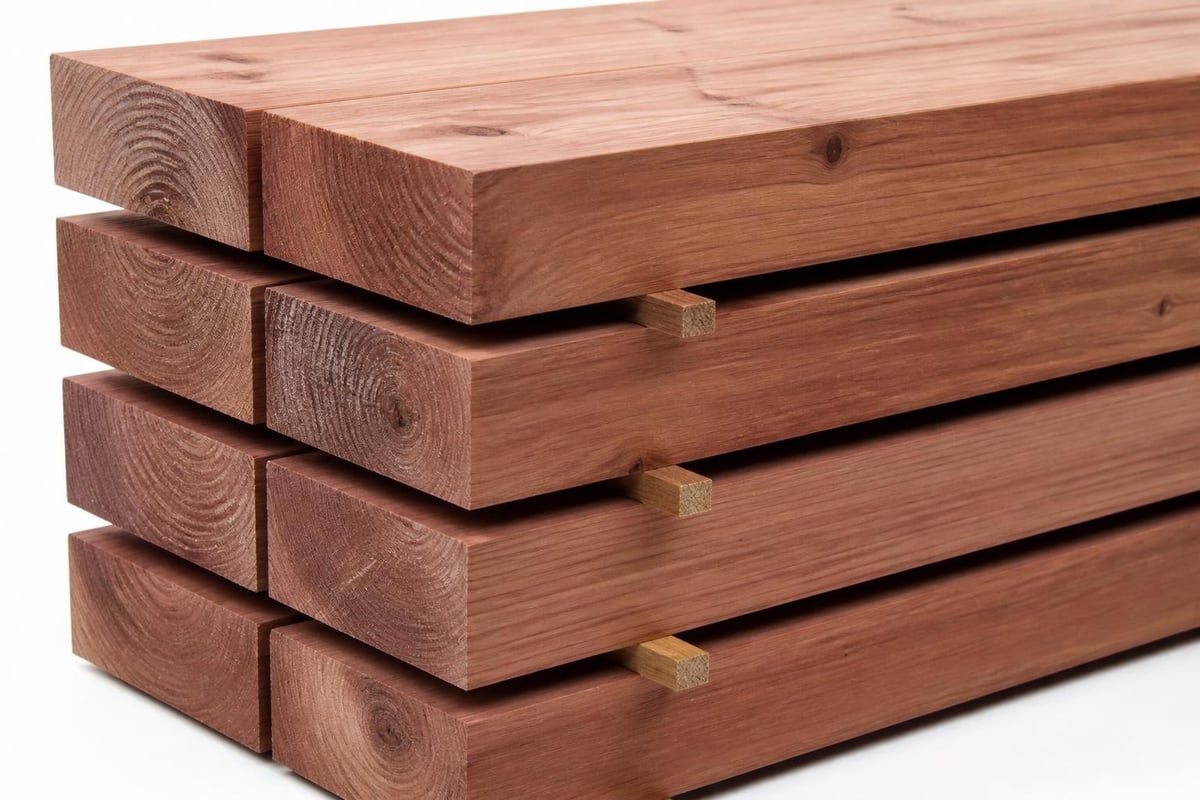
Cedar stands apart from other woods because of its exceptional natural properties. The wood contains natural oils called thujaplicins that act as preservatives, protecting against moisture penetration, insect damage, and fungal growth. This built-in resistance means cedar adirondack chairs require fewer chemical treatments than other wood species, making them a more sustainable choice for your outdoor space.
Key benefits of cedar in Hong Kong's climate:
- Natural resistance to moisture absorption reduces swelling and cracking
- Inherent insect-repelling properties protect against termites common in our region
- Low density prevents excessive heat absorption, keeping chairs cooler in direct sunlight
- Natural oils inhibit rot and decay even during extended rainy seasons
According to research on cedarwood oil treatments, cedar's natural compounds provide significant protection against wood-decay fungi and termite damage, two major concerns for outdoor furniture in humid climates like ours.
Dimensional Stability Under Humidity
One of cedar's most valuable traits for Hong Kong homeowners is its dimensional stability. Unlike denser hardwoods that expand and contract significantly with humidity changes, cedar maintains its shape remarkably well. This stability means your chairs won't develop the gaps, splits, or warping that plague furniture made from less suitable materials.
The wood's cellular structure allows it to breathe without absorbing excessive moisture. During our wet summer months, when relative humidity regularly exceeds 80%, cedar adirondack chairs resist the swelling that would cause joints to loosen in other furniture types.
Design Features That Make Adirondack Chairs Perfect for Outdoor Living
The distinctive Adirondack design wasn't created merely for aesthetics. Every element serves a functional purpose that makes these chairs exceptionally comfortable and practical for outdoor use.
Ergonomic Comfort
| Design Element | Comfort Benefit | Hong Kong Advantage |
|---|---|---|
| Slanted backrest | Supports natural spine curve | Ideal for reading or viewing harbor views |
| Wide armrests | Accommodates drinks, books, devices | Perfect for rooftop entertaining |
| Contoured seat | Distributes weight evenly | Comfortable for extended lounging |
| Low seating position | Stable, grounded feel | Better wind resistance on high balconies |
The generous armrests are particularly practical in Hong Kong settings. They're wide enough to hold your morning coffee while you enjoy breakfast on the balcony, or support a tablet during evening relaxation. This built-in convenience eliminates the need for additional side tables, saving precious space on smaller terraces.
Space Efficiency for Hong Kong Homes
Most Hong Kong outdoor spaces are compact-balconies typically range from 20 to 80 square feet, and even private rooftop terraces rarely exceed a few hundred square feet. Cedar adirondack chairs excel in these environments because their footprint is surprisingly modest despite offering substantial comfort.
A standard chair measures approximately 30 inches wide and 36 inches deep, fitting comfortably into corner arrangements or paired configurations. When you need to maximize space, they stack more easily than many alternative designs, and their relatively light weight (cedar weighs about half as much as teak) makes rearranging simple.
Selecting Quality Cedar Adirondack Chairs
Not all cedar furniture offers the same quality or durability. Understanding what distinguishes exceptional pieces from mediocre ones helps ensure your investment delivers years of enjoyment.
Types of Cedar Used
Two primary cedar species dominate the outdoor furniture market:
Western Red Cedar is the premium choice for outdoor furniture. Native to North America's Pacific coast, it contains the highest concentration of natural preservative oils. The Environmental Product Declaration for Western Red Cedar documents its sustainability credentials and lifecycle environmental impact, showing why it's favored for high-quality outdoor furniture.
Eastern White Cedar offers good weather resistance at a lower price point but contains fewer protective oils than its Western cousin. While suitable for covered areas, it requires more frequent maintenance in fully exposed Hong Kong conditions.
Construction Quality Indicators
When evaluating cedar adirondack chairs, examine these critical construction details:
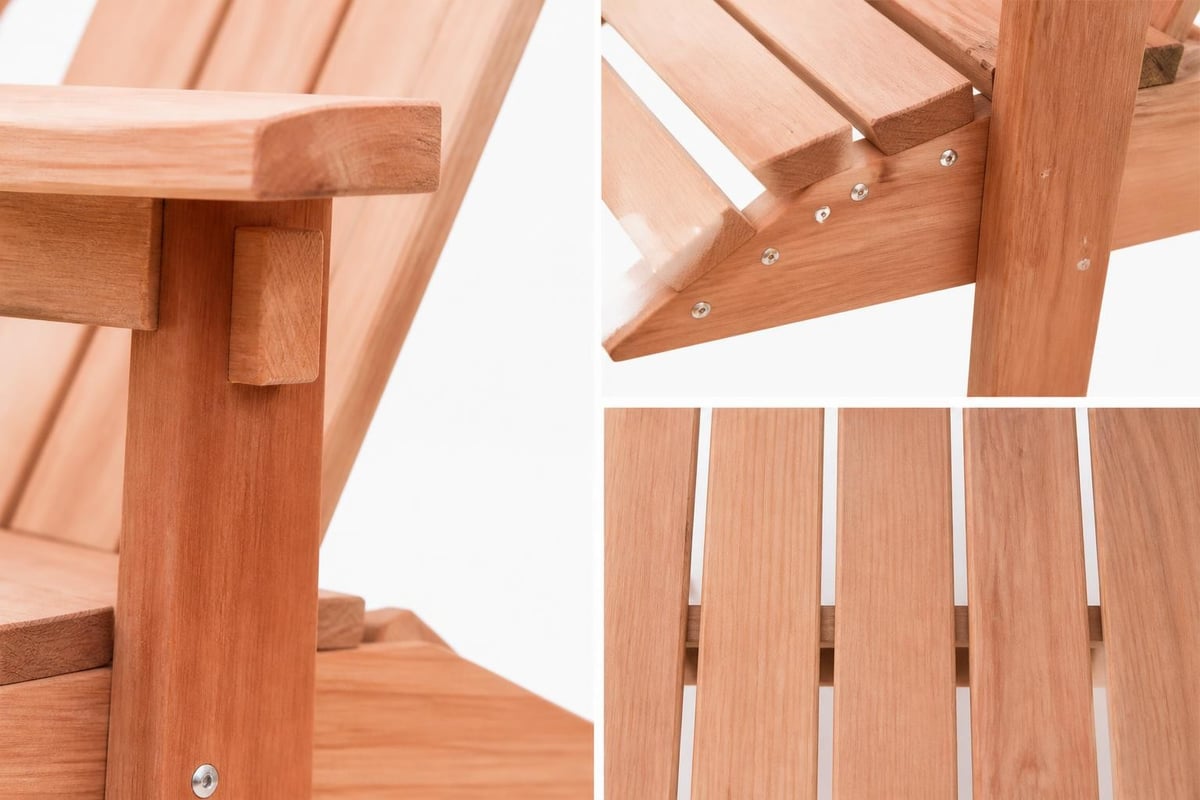
- Joint type: Mortise-and-tenon or dowel joints outlast simple butt joints secured only with screws
- Hardware: Stainless steel fasteners resist Hong Kong's salty air; avoid zinc-plated hardware that corrodes quickly
- Wood grade: Clear-grade cedar (minimal knots) provides better structural integrity than knotty grades
- Finish quality: Smooth sanding with rounded edges prevents splinters and improves finish adhesion
- Seat slat spacing: Proper gaps (approximately 6mm) allow water drainage without creating uncomfortable pressure points
The difference between quality construction and budget assembly becomes evident within the first season. Well-built cedar adirondack chairs develop a distinguished silver-gray patina while maintaining structural integrity; poorly constructed pieces begin showing loose joints and uneven wear.
Maintenance and Care for Hong Kong Conditions
Cedar's natural durability doesn't eliminate maintenance needs entirely, but it does make care remarkably straightforward compared to other materials. A consistent maintenance routine protects your investment and keeps your chairs looking beautiful.
Initial Treatment and Finishing
New cedar adirondack chairs arrive with a fresh, honey-colored appearance. You have three finishing options:
Natural weathering allows the wood to develop its characteristic silver-gray patina. This requires no initial treatment but means accepting color change over 6-12 months. The wood remains structurally sound; only its appearance evolves.
Transparent sealers preserve the original cedar color while adding water repellency. Marine-grade spar varnish or penetrating oil sealers work well in Hong Kong's UV-intense environment. Reapplication every 12-18 months maintains protection.
Stain or paint offers complete color control and maximum UV protection. Semi-transparent stains showcase cedar's grain while solid stains or exterior paints provide the longest-lasting finish. Choose products specifically formulated for tropical climates.
Regular Cleaning Protocol
Hong Kong's environment deposits various contaminants on outdoor furniture: salt spray in coastal areas, pollen during spring, industrial particulates in urban districts, and general dust accumulation.
Monthly cleaning:
- Brush off loose debris with a soft bristle brush
- Wash with mild soap solution (avoid harsh detergents that strip natural oils)
- Rinse thoroughly with fresh water
- Allow to air-dry completely before use
Seasonal deep cleaning:
- Inspect for mildew growth in crevices (common during humid months)
- Treat any spots with diluted vinegar solution or oxygen bleach
- Lightly sand any rough areas that develop
- Reapply protective finish if needed
The IKEA outdoor furniture care guide offers practical seasonal maintenance tips that, when adapted for cedar's specific properties, help maintain your chairs' beauty and function throughout Hong Kong's challenging climate cycles.
Storage Considerations
While cedar adirondack chairs withstand year-round outdoor exposure, strategic storage during typhoon season or extended periods of non-use extends their lifespan. Hong Kong homeowners benefit from investing in quality outdoor storage solutions that protect cushions and accessories.
If storage space permits, moving chairs to covered areas during the wettest months (April through September) reduces maintenance needs. When outdoor storage is your only option, furniture covers designed for breathability prevent moisture trapping while shielding from direct rain and UV exposure.
Styling Cedar Adirondack Chairs in Hong Kong Spaces
Cedar's warm, natural aesthetic complements various design styles popular in Hong Kong homes, from contemporary minimalism to classic colonial revival.
Color Coordination and Cushioning
The natural color evolution of cedar-from warm honey tones to silvered gray-pairs beautifully with Hong Kong's typical outdoor color palettes. Deep navy, crisp white, and sage green cushions create classic coastal looks, while bold coral, turquoise, or sunshine yellow add tropical vibrancy.
Cushion selection tips for Hong Kong:
- Choose quick-dry foam cores that shed moisture rapidly
- Select UV-resistant, solution-dyed acrylic fabrics (Sunbrella or equivalent)
- Opt for removable covers with hidden zippers for easy cleaning
- Consider tie-down straps to secure cushions during windy weather
- Store cushions indoors during extended rainy periods
Pairing with Other Outdoor Furniture
Cedar adirondack chairs work beautifully as statement pieces or as part of coordinated outdoor furniture collections. Their relaxed profile contrasts nicely with more formal dining furniture, creating visual interest in multi-functional spaces.
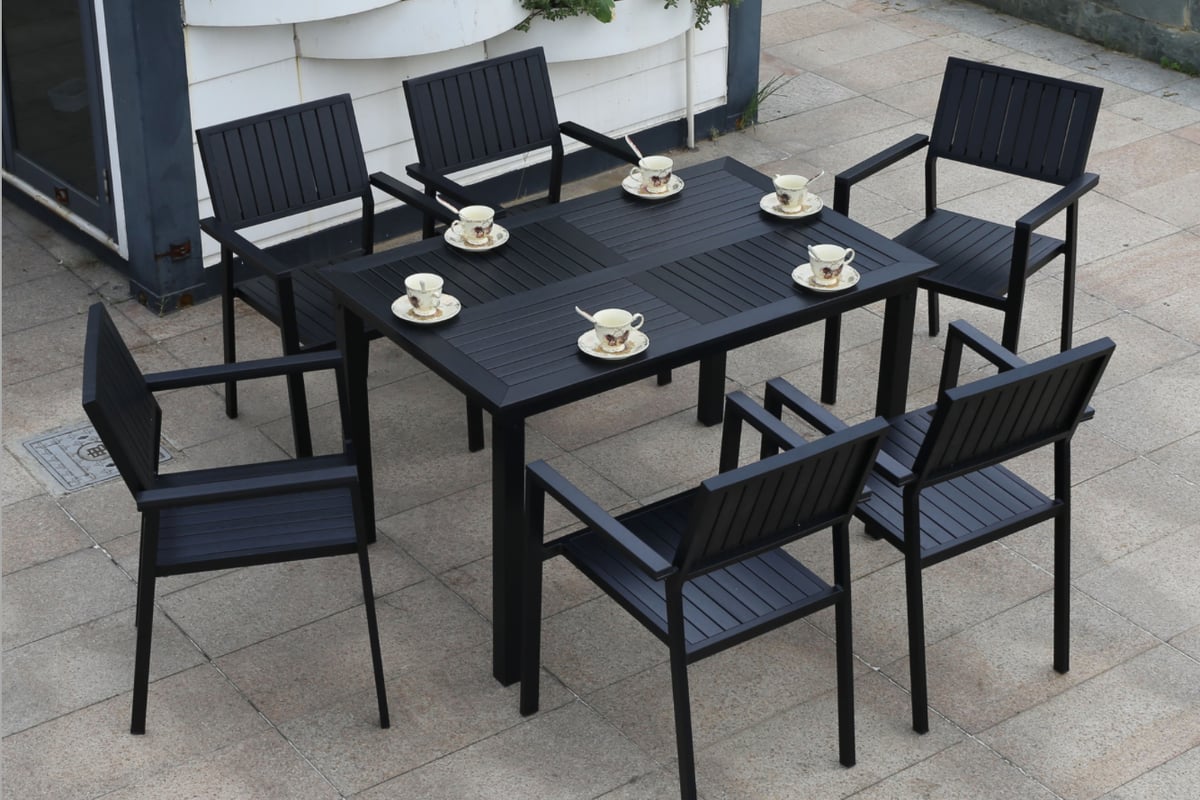
For rooftop terraces where entertaining is a priority, pair cedar chairs with a premium outdoor dining set to create distinct lounging and dining zones. The combination of different furniture styles adds depth to your outdoor room while serving practical purposes.
On smaller balconies, two cedar adirondack chairs flanking a small side table create an intimate conversation area. Add an outdoor parasol for sun protection, and you've transformed a basic balcony into a genuine outdoor retreat.
Accessorizing for Function and Style
Transform your cedar adirondack chairs from simple seating into lifestyle destinations with thoughtful accessories:
| Accessory Type | Function | Hong Kong Benefit |
|---|---|---|
| Outdoor throws | Warmth, color | Useful during cool winter evenings |
| Side tables | Surface space | Holds drinks, books without armrest clutter |
| Ottomans | Leg support | Converts chair to full lounger |
| Planters | Greenery, privacy | Softens urban views, adds nature |
| Lighting | Ambiance | Extends evening usability |
Consider the overall flow of your outdoor space. In Hong Kong's vertical living environment, balconies and rooftops often serve as visual extensions of interior rooms. Choosing accessories that echo your indoor color scheme creates cohesive design that makes spaces feel larger and more intentional.
DIY Versus Pre-Made: Making the Right Choice
The availability of detailed DIY plans for cedar adirondack chairs tempts many homeowners to build their own. This decision involves considering several Hong Kong-specific factors.
DIY Advantages and Challenges
Building your own offers:
- Complete customization of dimensions and features
- Potential cost savings on labor
- Satisfaction of creating furniture by hand
- Ability to select premium materials personally
Hong Kong-specific challenges include:
- Limited workshop space in typical apartments
- Higher lumber costs due to import expenses
- Difficulty sourcing specialty tools and hardware locally
- Noise restrictions that limit when power tools can be used
- Lack of outdoor workspace for finishing and sealing
For residents with access to maker spaces or village houses with work areas, DIY construction becomes more feasible. Following proven plans like those from the Western Red Cedar Lumber Association or Bob Vila's detailed guide ensures sound construction even for intermediate woodworkers.
Professional Construction Benefits
Professionally made cedar adirondack chairs offer advantages that particularly benefit Hong Kong buyers:
- Factory finishing in controlled environments produces more durable results
- Bulk material purchasing reduces per-unit costs
- Established quality control catches defects before delivery
- Warranty protection provides recourse for premature failure
- Ready availability eliminates project timeline uncertainties
For most Hong Kong homeowners, purchasing well-constructed chairs proves more practical than DIY building, especially when space constraints and premium lumber costs are factored into the equation.
Sustainability and Environmental Considerations
Choosing cedar adirondack chairs involves environmental decisions beyond simple material selection. Responsible sourcing and lifecycle considerations matter to environmentally conscious Hong Kong consumers.
Responsible Forest Management
Cedar harvesting practices vary significantly between sources. Look for chairs made from certified sustainably managed forests. The British Columbia Forest Stewardship Plan exemplifies responsible forest management practices that ensure cedar remains available for future generations while protecting forest ecosystems.
Certifications to seek include:
- FSC (Forest Stewardship Council): International standard for responsible forestry
- SFI (Sustainable Forestry Initiative): North American certification program
- PEFC (Programme for Endorsement of Forest Certification): Global forest sustainability framework
Chemical Treatment Considerations
Cedar's natural resistance means most chairs require minimal chemical treatment. However, some manufacturers apply additional preservatives or finishes. The EPA's overview of wood preservative chemicals provides authoritative guidance on which treatments are safe for residential use and which pose environmental or health concerns.
For Hong Kong's environment, avoid chairs treated with:
- Chromated copper arsenate (CCA), banned in many applications
- Creosote, which leaches harmful compounds
- Pentachlorophenol, restricted due to toxicity
Instead, look for natural oil treatments, water-based sealers, or no chemical treatment beyond what cedar naturally provides.
Longevity and Lifecycle Value
The true environmental cost of furniture includes its entire lifecycle. Cedar adirondack chairs, when properly maintained, easily last 15-20 years or more in Hong Kong's climate. This longevity compares favorably to synthetic alternatives that often deteriorate within 5-7 years, requiring replacement and generating waste.
At end-of-life, cedar biodegrades naturally or can be repurposed for other projects. Contrast this with composite materials that persist in landfills indefinitely, and cedar's environmental advantages become clear despite the initial resource investment in harvesting.
Addressing Common Concerns and Questions
Hong Kong homeowners considering cedar adirondack chairs often raise specific concerns about practicality and performance in our unique environment.
Will Cedar Survive Typhoon Conditions?
Cedar adirondack chairs themselves withstand typhoon winds remarkably well due to their low profile and substantial weight. The primary concern during severe weather is the chairs becoming projectiles. Secure them with straps to fixed railings, move them to sheltered locations, or bring them indoors before storms arrive.
Their relatively light weight (compared to teak or metal alternatives) actually becomes an advantage during typhoon preparation, making them easier to relocate quickly when weather warnings are issued.
How Does Cedar Compare to Teak?
This question arises frequently given teak's reputation as the premium outdoor wood. Both perform excellently in Hong Kong, but they offer different advantages:
Cedar advantages:
- Lower initial cost (typically 30-50% less than teak)
- Lighter weight for easier rearranging
- Natural insect resistance without chemical treatment
- Softer, warmer surface feel
Teak advantages:
- Harder, denser wood resists scratches better
- Natural oils repel water more aggressively
- Develops richer patina over time
- Higher resale value
For most Hong Kong applications, cedar provides exceptional value without teak's premium price point. Reserve teak for pieces subject to heavy wear or when its specific aesthetic is essential to your design vision.
Can Cedar Chairs Stay Outdoors Year-Round?
Yes, cedar adirondack chairs handle year-round outdoor exposure in Hong Kong's climate. Their natural properties protect against our most challenging conditions: persistent humidity, occasional heavy rain, and intense summer UV.
However, "can" and "should" differ slightly. While the chairs survive continuous outdoor placement, bringing them under cover during the wettest months or using protective covers extends their pristine appearance. This minimal extra care rewards you with furniture that looks newer longer while still providing the convenience of always-available outdoor seating.
What About Salt Air Corrosion?
For Hong Kong homes near the coast, salt air poses legitimate concerns for outdoor furniture. Cedar itself resists salt damage well-the wood doesn't corrode. The vulnerability lies in metal fasteners and hardware.
Ensure your chairs use marine-grade stainless steel (316-grade preferred, 304-grade acceptable) for all screws, bolts, and brackets. This specification matters tremendously in coastal districts like Stanley, Repulse Bay, or Discovery Bay, where salt concentration in the air accelerates corrosion of lesser metals.
If you're considering restoring or maintaining existing chairs, Woodcraft's restoration guide provides valuable techniques for refurbishing worn adirondack chairs, including proper hardware replacement methods.
Maximizing Comfort in Hong Kong's Heat
Cedar's natural properties help manage heat absorption, but additional strategies enhance comfort during our hottest months.
Temperature Management
Cedar's cellular structure and lower density mean it absorbs less solar radiation than denser woods or metal furniture. Even after hours in direct sun, cedar remains touchable where metal would burn skin and dense hardwoods would be uncomfortably hot.
Further improve comfort by:
- Positioning chairs in partial shade during peak sun hours (11am-3pm)
- Choosing lighter natural finishes over dark stains that absorb more heat
- Adding breathable cushions that provide comfort without trapping body heat
- Creating overhead shade with umbrellas, pergolas, or retractable awnings
Ventilation and Airflow
The slatted construction of cedar adirondack chairs promotes airflow around your body, reducing sweat accumulation during humid weather. This natural ventilation works better than solid-seat alternatives, making these chairs particularly well-suited to Hong Kong's summers when humidity often exceeds 80%.
Position chairs to capture prevailing breezes. On most Hong Kong balconies and rooftops, southerly and easterly exposures receive more airflow during summer months, improving comfort without mechanical cooling.
Investment Value and Long-Term Costs
Understanding the total cost of ownership helps evaluate whether cedar adirondack chairs represent wise investments for your outdoor space.
Initial Purchase Versus Lifetime Cost
Quality cedar adirondack chairs typically cost HK$2,500-6,000 per chair, depending on construction quality, finish, and design details. This initial investment appears higher than plastic resin chairs (HK$500-1,200) but delivers superior value over time.
Five-year cost comparison:
| Furniture Type | Initial Cost | Replacement Frequency | Maintenance Costs | Total 5-Year Cost |
|---|---|---|---|---|
| Cedar adirondack | HK$4,000 | None | HK$300 | HK$4,300 |
| Resin plastic | HK$800 | 2x | HK$0 | HK$2,400 |
| Synthetic composite | HK$2,500 | 1x | HK$100 | HK$5,100 |
| Aluminum with cushions | HK$3,500 | None | HK$800 (cushions) | HK$4,300 |
While plastic appears cheaper initially, it requires replacement after 2-3 years in Hong Kong's UV-intense environment. Cedar's durability means your initial investment continues delivering value for decades, not just years.
Resale and Portability
Hong Kong's transient expatriate population and frequent residential moves make furniture portability and resale value important considerations. Cedar adirondack chairs hold resale value well, typically recovering 40-60% of purchase price after several years of use when properly maintained.
Their moderate weight and stackable design make them practical for relocations. Unlike heavy built-in furniture or oversized pieces, adirondack chairs transition easily between homes, allowing you to bring comfort and style to each new residence.
Cedar adirondack chairs bring together timeless design, natural weather resistance, and exceptional comfort in a package perfectly suited to Hong Kong's challenging outdoor environment. Their ability to withstand our humidity, heat, and occasional storms while developing distinguished character over time makes them invaluable additions to balconies, rooftops, and gardens throughout our city. When you're ready to transform your outdoor space with furniture that combines lasting beauty with practical durability, explore the premium outdoor furniture collections at Hong Kong Outdoor Furniture, where you'll find pieces designed specifically to thrive in our subtropical climate while bringing indoor comfort to your outdoor living areas.