

Hanging Chair Guide: Style & Installation for Hong Kong Homes
A hanging chair brings an instant sense of relaxation and playful elegance to any outdoor space, turning an ordinary balcony or rooftop into a peaceful retreat. In Hong Kong, where outdoor square footage is precious, suspended seating offers a smart solution that maximizes vertical space while creating a distinctive focal point. Whether you're furnishing a compact Sai Kung balcony or designing a sprawling Peak rooftop garden, the right hanging chair can transform how you experience your outdoor living area.
Why Hanging Chairs Work Perfectly in Hong Kong Spaces
Hong Kong's unique living conditions make hanging chairs particularly appealing for several practical and aesthetic reasons. The gentle swaying motion provides a calming effect after long workdays, while the suspended design keeps seating elevated above the ground, an advantage during the humid summer months when moisture can pool on lower surfaces.
Space efficiency stands as the primary benefit. A traditional lounge chair requires floor space in multiple directions for both the seat and clearance to recline. A hanging chair, by contrast, uses only the footprint directly beneath it, with all movement occurring vertically and in a controlled arc.
Climate Considerations for Material Selection
Hong Kong's subtropical climate demands careful material choices for outdoor furniture. The combination of high humidity, salt air exposure in coastal areas, and intense UV radiation during summer months can quickly degrade inferior materials.
For hanging chair frames and hardware, these materials perform best:
- Powder-coated aluminum: Corrosion-resistant, lightweight, and doesn't absorb moisture
- Stainless steel (marine grade 316): Essential for hardware and chains in coastal locations
- Treated hardwood: Teak or acacia with natural oils that repel moisture
- Synthetic rattan/rope: UV-stabilized polyethylene that won't fade or crack
The cushion and fabric components require equal attention. Look for solution-dyed acrylic fabrics with high UV ratings (minimum UPF 50+) and quick-dry foam cores. These materials resist the mildew growth that plagues standard outdoor textiles in Hong Kong's 80%+ humidity levels during spring and summer.
Installation Methods: Ceiling, Stand, and Tree Options
The installation approach you select depends on your space configuration, structural limitations, and whether you rent or own your property. Each method offers distinct advantages for Hong Kong living situations.
Ceiling-Mounted Installation
Ceiling mounting creates the cleanest aesthetic and maximizes floor space, but requires proper structural support. Installing a hanging chair from a ceiling involves locating ceiling joists or concrete beams capable of supporting dynamic loads, typically calculated at three to four times the chair's weight capacity.
For Hong Kong apartments, this often means working with reinforced concrete slabs rather than wooden joists. The installation process differs significantly:
- Use a concrete anchor rated for dynamic loads (minimum 500kg for most chairs)
- Drill pilot holes to the exact diameter specified by the anchor manufacturer
- Install the ceiling mount plate or swivel hook
- Test the installation with weight before use
- Inspect hardware quarterly for any signs of stress or corrosion
Many Mid-Levels and Discovery Bay buildings require management approval before drilling into structural elements. Check your occupancy handbook or contact building management before purchasing ceiling-mount hardware.
Free-Standing Frame Systems
Free-standing frames solve the installation challenge for renters and those without suitable ceiling support. These systems typically feature a powder-coated steel or aluminum A-frame or C-frame design with a weighted base.
| Frame Type | Space Required | Portability | Stability in Wind | Best For |
|---|---|---|---|---|
| A-Frame | 2.0m × 2.0m | Moderate | Good | Covered balconies |
| C-Frame | 1.5m × 2.2m | High | Moderate | Repositionable setups |
| Hammock Stand Adapted | 2.5m × 1.8m | Low | Excellent | Permanent placement |
For Hong Kong's sometimes intense winds, especially on higher floors and exposed rooftops, select frames with ground anchoring points. Simple concrete weight plates or sandbags secured to the base prevent tipping during typhoon-adjacent weather when winds gust above 40 km/h.
Tree-Branch Suspension
Garden and village house residents with mature trees have a natural suspension point, but safety requires proper assessment. The branch must be:
- Minimum 15cm diameter at the hanging point
- Living, healthy wood without signs of disease or rot
- Positioned to allow at least 60cm clearance in all swing directions
- Part of a structurally sound tree properly rooted
University guidance on tree assessment provides homeowners with evaluation criteria for determining whether a tree can safely support suspended loads. In Hong Kong, common suitable species include mature Chinese Banyan, Camphor, and certain Acacia varieties.
Never use coconut palms or bamboo despite their prevalence in local gardens. These species have fibrous, flexible trunks unsuitable for static suspension points. Consult an arborist if uncertain about your tree's capacity.
Design Styles and Their Mood Impact
The hanging chair you select creates a specific atmosphere in your outdoor space. Understanding these style categories helps match your furniture choice to your lifestyle and entertainment patterns.
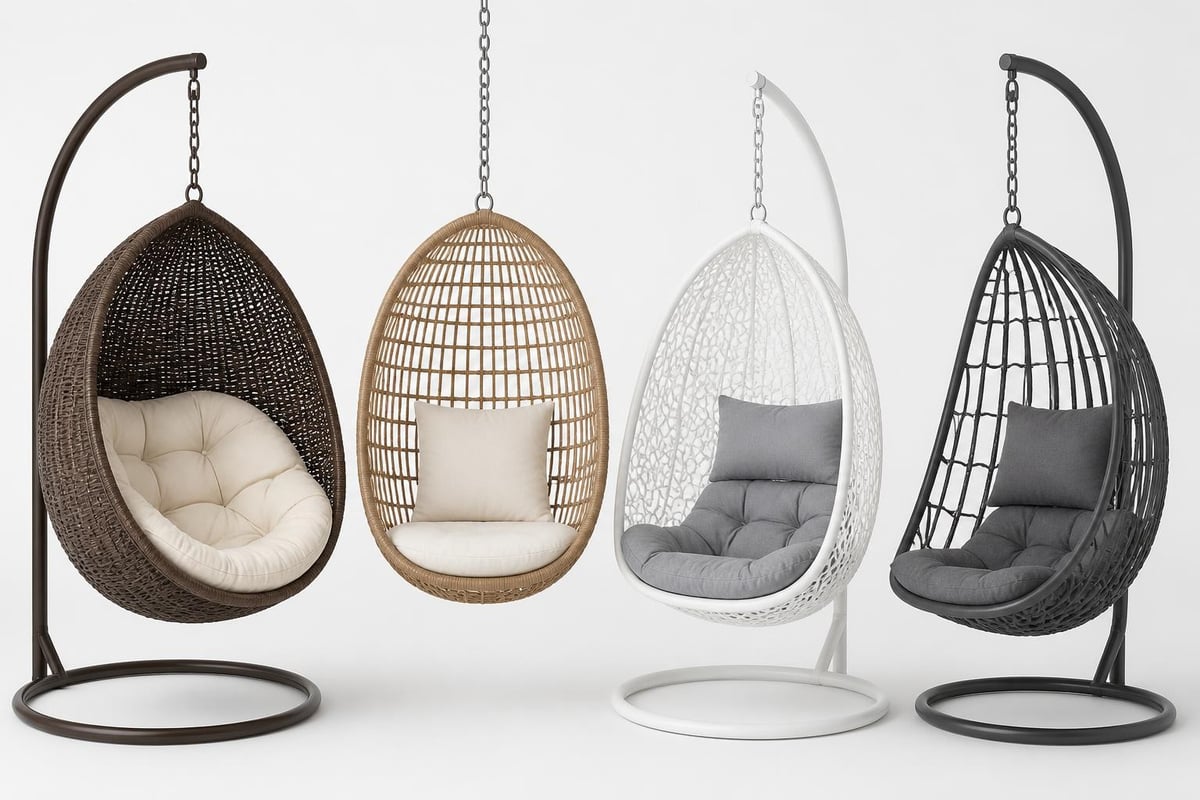
Cocoon and Egg Chairs
Enclosed designs with curved, woven walls create private retreats perfect for reading or meditation. The egg chair's design heritage traces back to mid-century Scandinavian furniture innovation, emphasizing both visual sculpture and cocooning comfort.
These chairs work exceptionally well on Hong Kong balconies where neighboring units sit close together. The high-backed, partially enclosed design provides visual privacy without the weight and maintenance of traditional privacy screens. Look for versions with cushioned interiors in weather-resistant fabrics rather than indoor textiles.
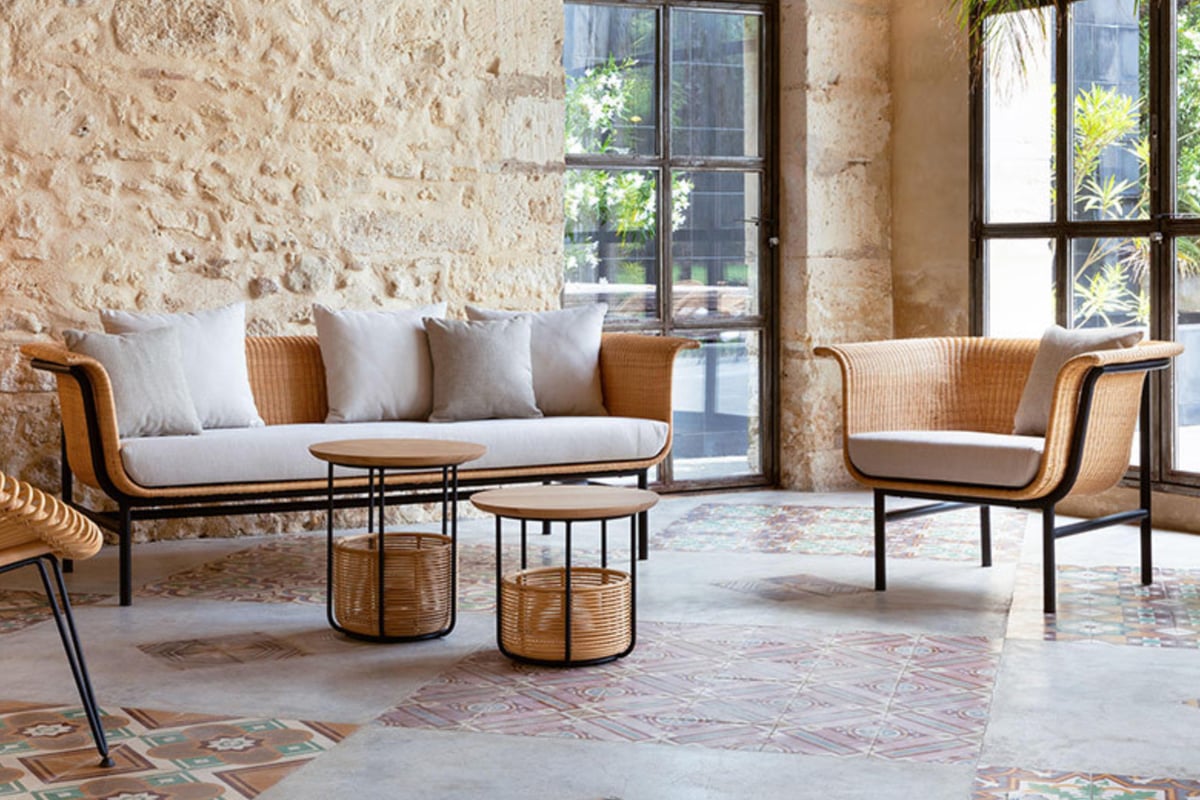
When positioned thoughtfully alongside other outdoor seating, a hanging egg chair becomes a conversation piece. You'll find many Hong Kong rooftop bars and hotel terraces use these statement pieces to define lounging zones distinct from outdoor sofa arrangements designed for group seating.
Hammock-Style Chairs
Fabric hammock chairs prioritize portability and casual comfort over structured support. The cloth or woven cotton design folds compactly for storage, making it ideal for seasonal use or residents who alternate between indoor and outdoor furniture depending on weather.
Installation flexibility marks the hammock chair's key advantage. The same chair can hang from a ceiling hook one month, a tree branch during a weekend gathering, or a portable stand when hosting in a different area of your space. This adaptability suits Hong Kong's dynamic living patterns where outdoor furniture often serves multiple functions.
Consider Brazilian-style designs with spreader bars for better back support during extended sitting sessions. The spreader bar maintains an open shape rather than the wrapping effect of traditional hammocks, reducing pressure points that cause discomfort after 30-40 minutes.
Swing Chairs with Rigid Frames
Swing-style hanging chairs use rigid seating platforms with ropes, chains, or fabric suspension systems. These designs most closely resemble traditional porch swings but in single-seat proportions. They offer excellent back support and work particularly well for outdoor dining or working, not just relaxation.
Materials range from teak slats to all-weather wicker to molded resin. For Hong Kong installations, prioritize:
- Drainage holes in solid seats to prevent water pooling
- Removable, washable cushions with tie-down straps
- Rust-proof chain links with protective sleeves
- UV-stabilized suspension rope rated for marine environments
The gentle rocking motion aids focus and reduces stress during work-from-home sessions, making these chairs popular additions to rooftop home offices and balcony reading nooks.
Placement Strategies for Hong Kong Outdoor Spaces
Where you position your hanging chair dramatically affects both its usability and impact on your overall outdoor layout. These placement principles work across Hong Kong's diverse outdoor environments from Kowloon Tong gardens to Central rooftops.
Balcony Configurations
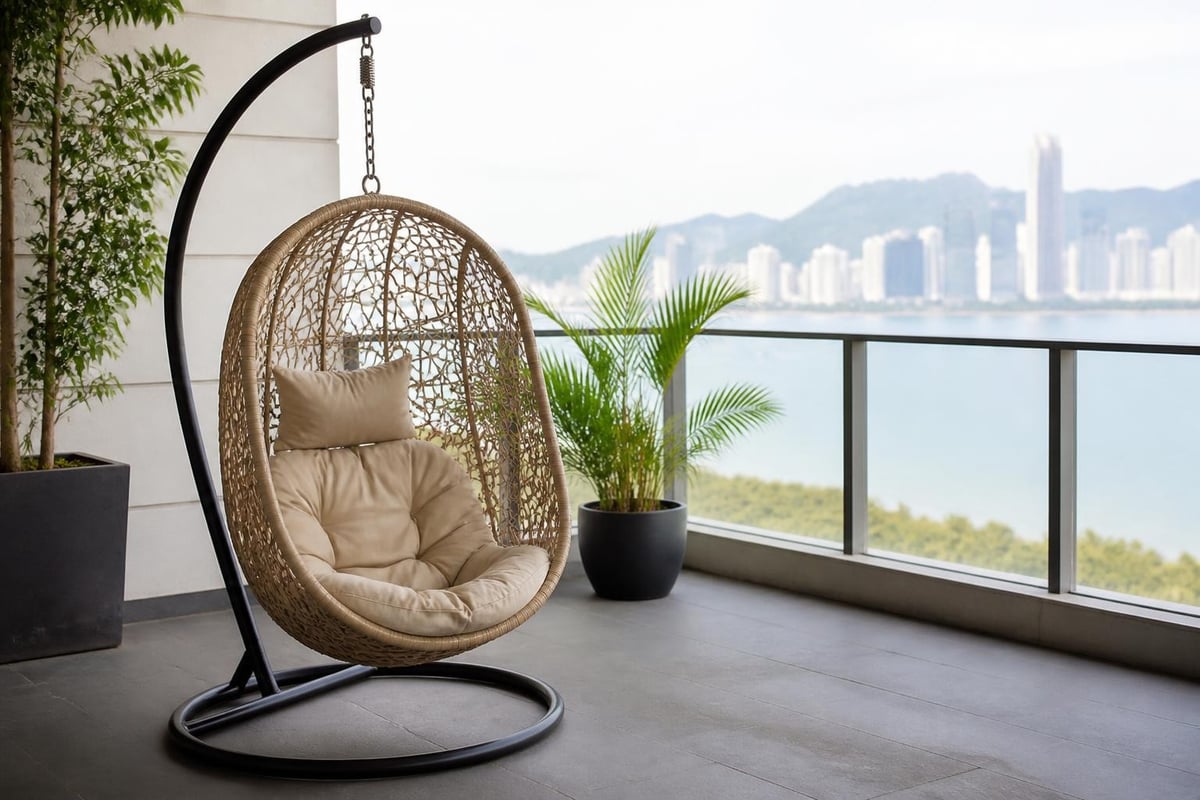
Corner placement maximizes usable floor space while creating a defined zone. Position the hanging chair in the balcony corner farthest from your entry door, allowing at least 50cm swing clearance from walls and railings. This configuration preserves central floor area for traffic flow and occasional entertaining.
For narrow balconies common in Tseung Kwan O and Taikoo Shing developments, select a chair with a smaller swing radius. Measure your total balcony depth, subtract 80cm (for safety clearance and comfortable movement), and ensure your chair's maximum swing stays within that boundary.
Orient the chair to face your best view, whether harbor glimpses, greenery, or simply away from neighboring units. The act of settling into a hanging chair facing an appealing sight reinforces the relaxation ritual you're creating.
Rooftop Gardens and Terraces
Expansive rooftop spaces allow for multiple furniture zones. Use your hanging chair as a transition piece between active areas (like outdoor dining sets or barbecue zones) and quiet lounging areas. This spatial layering creates natural flow while maintaining distinct activity zones.
Wind exposure requires additional attention on rooftops. Test wind patterns at different times of day before permanent installation. Even moderate breezes that feel pleasant when standing can create excessive swing in a suspended chair, making it uncomfortable or unsafe to use.
Consider partial wind protection through:
- Positioning near existing walls or parapet edges (maintaining clearance)
- Installing decorative screens or vertical garden panels upwind
- Selecting chairs with heavier frames and lower centers of gravity
- Adding weighted cushions during high-wind seasons
Integration with Existing Furniture Layouts
A hanging chair shouldn't float in isolation. Connect it visually to your outdoor room's overall design through strategic placement near complementary pieces. Position a small side table within arm's reach for beverages and books. Align the chair's orientation with your primary seating arrangement to maintain conversation flow during gatherings.
Create intimate conversation nooks by pairing a hanging chair with a nearby outdoor sofa positioned at a comfortable angle. This mixed-seating arrangement works beautifully on larger terraces where you want distinct zones without physical dividers. The varied seating heights add visual interest while accommodating different relaxation preferences among family and guests.
Hardware, Safety, and Maintenance Protocols
Proper installation hardware and ongoing maintenance ensure your hanging chair remains safe and beautiful throughout years of use. Hong Kong's climate accelerates wear on outdoor furniture, making regular inspection especially important.
Selecting Suspension Hardware
Technical standards for rigging and suspension systems provide guidance on hardware selection and testing protocols. For residential applications, use these specifications:
| Component | Minimum Rating | Preferred Material | Inspection Frequency |
|---|---|---|---|
| Ceiling Hook/Plate | 500kg static | 316 Stainless Steel | Quarterly |
| Swivel/Rotating Joint | 300kg dynamic | Forged Steel + Coating | Monthly |
| Chain Links | 8mm thickness | Marine-Grade Stainless | Monthly |
| Carabiners | Locking, 25kN | Aluminum or Steel | Before Each Use |
The swivel joint deserves special attention. This component allows rotation while preventing chain or rope from tangling. Salt air exposure common in Hong Kong coastal areas accelerates corrosion in inferior swivels. Apply marine-grade lubricant monthly and replace annually regardless of visible condition.
Regular Maintenance Schedule
Create a simple inspection routine to catch developing issues before they become safety hazards:
Monthly checks:
- Examine all connection points for stress, cracks, or corrosion
- Test swivel rotation smoothness
- Verify ceiling mount shows no loosening or plaster cracking
- Wipe down chains/ropes to remove salt and pollutant buildup
Seasonal deep maintenance:
- Remove and wash all fabric components per manufacturer instructions
- Inspect frame joints and welds for separation or rust blooming
- Apply rust inhibitor to steel components
- Replace worn protective sleeves on chains
- Tighten all fasteners using proper torque specifications
Typhoon preparation requires temporary removal or securing of free-standing hanging chairs. Ceiling-mounted versions should have cushions removed and stored, with the chair itself secured in a non-swinging position using temporary ties to prevent damage from excessive motion.
Weight Capacity and User Safety
Most residential hanging chairs rate for 100kg to 150kg static weight. Dynamic loading from movement and swinging creates forces approximately 1.5 to 2 times the seated weight. A 100kg chair supports a 70kg adult comfortably during normal use, with safety margin for shifting and swaying.
Never exceed published capacity ratings even briefly. The dramatic failure mode of hanging furniture creates significant injury risk. If you regularly entertain guests of varying sizes or want children to use the chair, select models rated at 150kg minimum.
Educate all household members and guests on safe entry and exit techniques. The proper approach involves grasping the chair firmly with both hands, stepping into the center of the seat, then lowering yourself while maintaining balance. Jumping or dropping into the chair creates shock loads that stress hardware.
Creating Your Hanging Chair Sanctuary
Beyond installation mechanics and safety protocols, thoughtfully styling your hanging chair area transforms it from furniture into a destination. Small additions create a personalized retreat that beckons during free moments.
Layering Comfort Elements
Start with the chair's included cushioning, then enhance based on your usage patterns. A weather-resistant lumbar pillow improves extended sitting comfort, especially for reading or working. Add a lightweight throw blanket in cooler months (November through February in Hong Kong) stored in a nearby waterproof basket.
Shade management affects comfort dramatically. If your hanging chair sits in direct sun during peak hours, consider:
- Positioning near existing architectural shade (building overhangs, pergolas)
- Installing a cantilever umbrella with adjustable positioning
- Using the chair primarily during morning or evening hours
- Adding a shade sail overhead for permanent sun protection
Accessorizing the Zone
Define your hanging chair area as a distinct room within your outdoor space through simple additions. A small outdoor side table holds beverages, reading materials, and decorative elements. Choose materials that complement your chair's design language (teak with natural fiber chairs, powder-coated metal with contemporary frames).
Incorporate personal touches that enhance relaxation: a small Bluetooth speaker for ambient music, a battery-powered LED lantern for evening use, or a few potted plants that create a green backdrop. The goal is creating an environment that pulls you away from indoor distractions toward outdoor mindfulness.
For Hong Kong residents working with truly minimal balcony space, even a hanging shelf or wall-mounted pocket can serve as your chair-side storage, keeping the floor clear while providing essential functionality.
Space Planning for Different Property Types
Hong Kong's diverse housing stock requires adapted approaches to hanging chair integration. What works in a Repulse Bay garden doesn't translate directly to a Quarry Bay balcony, and vice versa.
High-Rise Apartments
Modern towers typically offer balconies ranging from 1.5 to 3 square meters. For these compact spaces, measure carefully and consider proportions. An oversized egg chair overwhelms a small balcony both visually and functionally.
Ceiling-mounted options work best in high-rises where reinforced concrete construction provides reliable support. Most buildings constructed after 2000 feature concrete slabs thick enough for safe anchor installation. Verify your building's construction specifications through management or review architectural plans if available.
Weight becomes a consideration when furnishing higher floors. Lightweight aluminum and synthetic materials reduce load on the balcony structure while simplifying installation. Calculate total weight including the chair, hardware, cushions, and maximum user weight to ensure you remain well below your balcony's load rating.
Village Houses and Low-Rise Developments
Ground-floor and low-rise properties often include garden or terrace access, opening more placement possibilities. Tree suspension becomes viable, and larger free-standing frames work in spacious layouts.
Covered verandas and carports provide natural protection from rain while maintaining outdoor ambiance. These semi-sheltered locations extend your hanging chair's usable season beyond fair-weather months, particularly valuable during Hong Kong's pleasant autumn and winter periods when outdoor living peaks.
Multi-level village houses can incorporate hanging chairs on each level, creating consistent design language while serving different functions. A reading chair on an upper balcony, a conversation piece on the main terrace, and perhaps a children's swing chair in the garden establish varied outdoor rooms.
Rooftop Access Properties
Full rooftop access represents the ultimate Hong Kong outdoor luxury. These spaces accommodate multiple furniture zones, potentially including several hanging chairs serving different purposes.
Create a rooftop sanctuary by dedicating one corner to a deluxe hanging chair setup complete with shade structure, nearby storage, and thoughtful landscaping. This becomes your meditation spot, sunrise coffee location, or evening retreat away from household activity below.
Security and weather exposure require additional planning on rooftops. Ensure your hanging chair installation can withstand wind loads specific to your elevation and exposure. Buildings above the 15th floor experience significantly stronger sustained winds than ground-level installations. Consult structural engineers if installing permanent ceiling mounts on rooftop pergolas or shade structures.
Whether you choose a cocoon-style egg chair for your balcony or a breezy hammock chair for your rooftop terrace, the right hanging chair transforms unused vertical space into your favorite outdoor retreat. By selecting materials suited to Hong Kong's climate, following proper installation protocols, and maintaining your investment through regular care, you'll create a suspended sanctuary that serves you for years to come. Explore Hong Kong Outdoor Furniture for premium outdoor furniture designed specifically for Hong Kong's unique climate and living spaces, with expert guidance to help you create the perfect outdoor sanctuary.