

Making an Outdoor Dining Table: Your Complete Guide
Making an outdoor dining table transforms how you use your balcony, rooftop, or garden space. Whether you're building a weekend DIY project or planning a custom piece for your Mid-Levels terrace, the process requires thoughtful consideration of materials, construction methods, and Hong Kong's unique climate challenges. A well-crafted outdoor dining table becomes the centerpiece of memorable gatherings, from Sunday dim sum brunches to sunset cocktails overlooking Victoria Harbour.
Understanding Material Choices for Hong Kong's Climate
When making an outdoor dining table in Hong Kong, material selection determines longevity and maintenance requirements. Our subtropical climate brings intense humidity, salt-laden air from the sea, and temperatures that swing dramatically between seasons.
Hardwoods Built for Durability
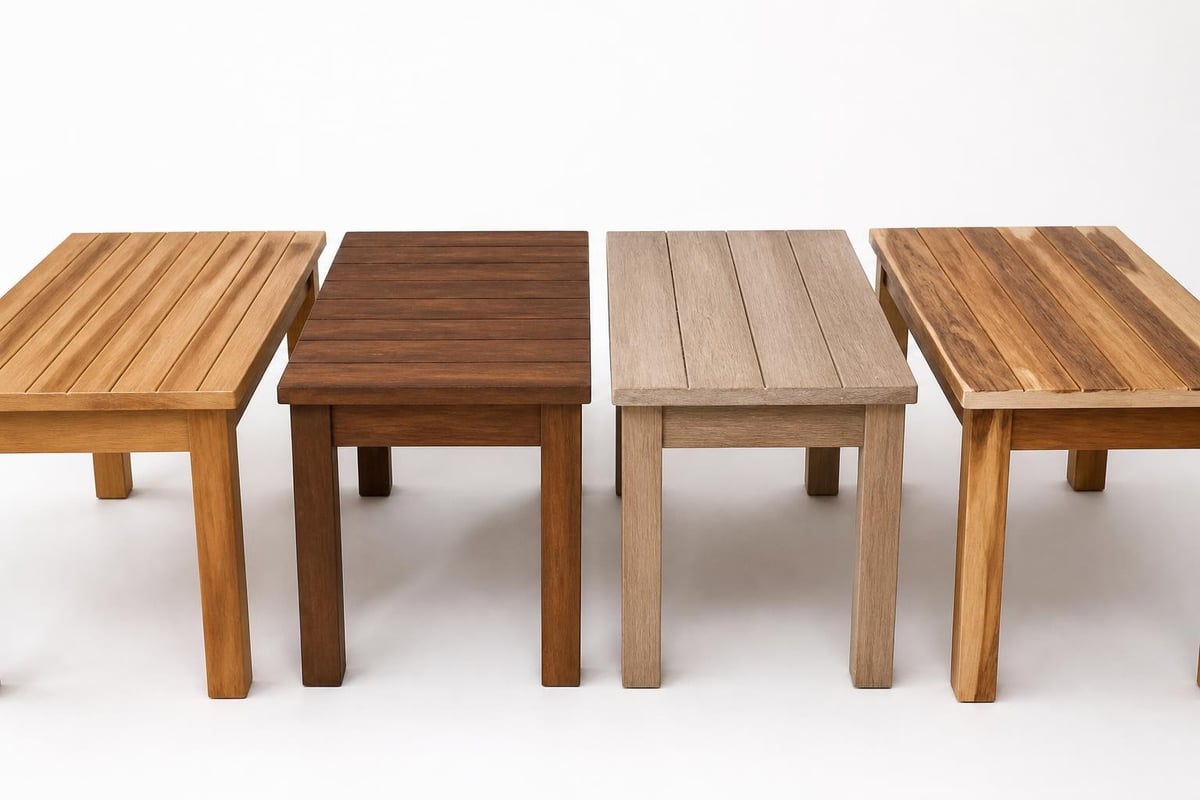
Teak remains the gold standard for outdoor furniture in coastal environments. Its natural oils repel moisture and resist rot, making it ideal for Hong Kong's 80-90% humidity levels during summer months. According to the Wood Database, teak's natural silica content also protects against insect damage, a common concern in our climate.
Other excellent hardwood options include:
- Ipe (Brazilian walnut) - exceptional density and rot resistance
- White oak - naturally water-resistant with beautiful grain
- Shorea (Meranti) - a cost-effective teak alternative
- Acacia - readily available and weather-resistant when properly sealed
The USDA Forest Products Laboratory provides detailed moisture movement data for each species, helping you predict how your table will respond to Hong Kong's seasonal changes.
Modern Alternatives to Natural Wood
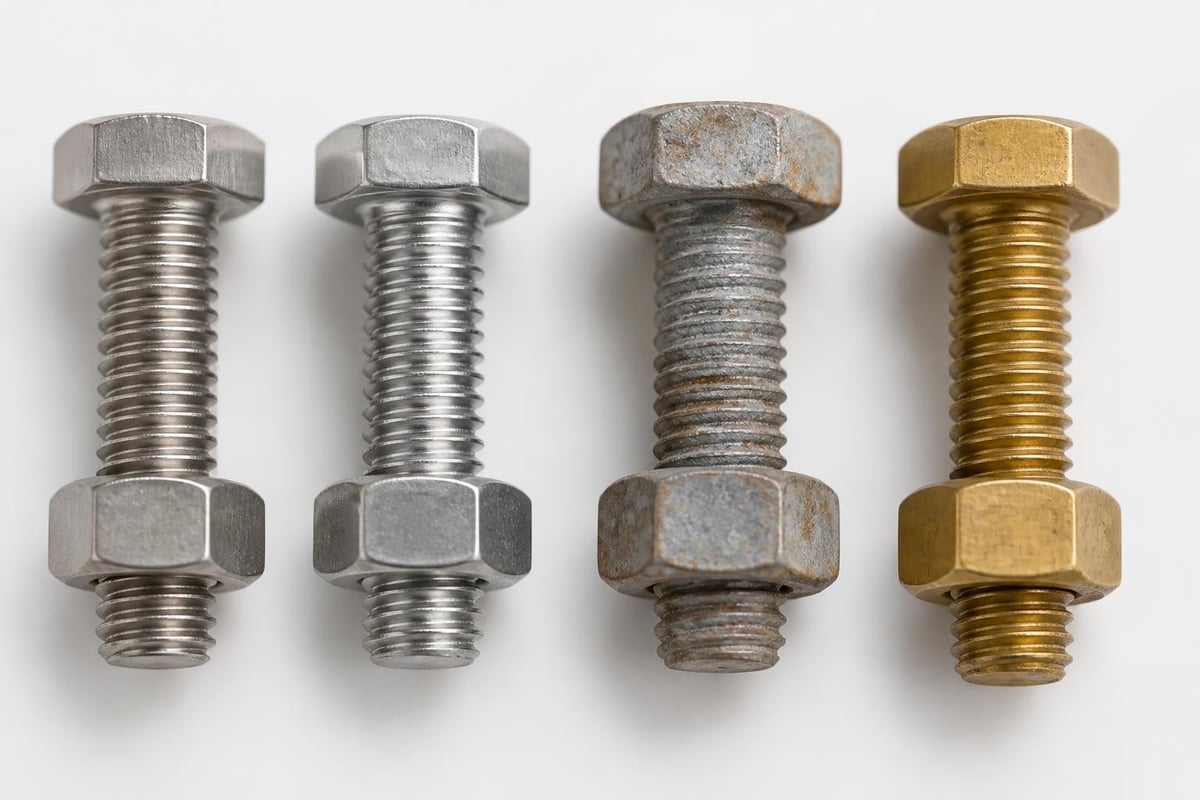
Aluminum frames with powder-coated finishes offer exceptional corrosion resistance. For Hong Kong installations near the harbor or on rooftop terraces exposed to sea spray, marine-grade 316 stainless steel fasteners prevent rust staining. The Whole Building Design Guide recommends 316 over 304 grade in coastal environments due to its superior chloride resistance.
Composite materials and high-pressure laminate (HPL) tabletops provide maintenance-free alternatives. These engineered surfaces resist warping and require minimal upkeep, perfect for busy Hong Kong families.
Essential Design Considerations
Making an outdoor dining table starts with proper dimensioning. Standard dining height sits at 28-30 inches, but your specific needs depend on chair selection and user comfort.
Sizing Your Table Correctly
Calculate space requirements based on these guidelines:
| Table Size | Comfortable Seating | Ideal Space Size |
|---|---|---|
| 120cm x 75cm | 4 people | Small balconies (8-10㎡) |
| 150cm x 90cm | 6 people | Medium terraces (12-15㎡) |
| 180cm x 100cm | 8 people | Large rooftops (18+㎡) |
| 210cm x 100cm | 10 people | Spacious gardens (25+㎡) |
Allow 60cm of clearance around the table perimeter for chair movement and comfortable circulation. This Old House provides detailed dimensional guidance for various table styles.
Accounting for Accessibility
If you're designing a table for a commercial project or accessible residence, the 2010 ADA Standards specify minimum knee clearance of 68.5cm wide, 48cm deep, and 70cm high. These measurements ensure wheelchair users can comfortably approach and use your table.
Weight distribution matters significantly. A table on a Taikoo Shing balcony needs stability without excessive mass. Design your base with a low center of gravity and consider the load-bearing capacity of your outdoor space.
Step-by-Step Construction Process
Making an outdoor dining table follows a logical sequence, though specific techniques vary based on your chosen materials and design complexity.
Preparation and Material Selection
- Measure your space precisely - account for door widths if moving the table indoors during typhoon season
- Select and acclimate wood - store timber in your location for 2-3 weeks before cutting
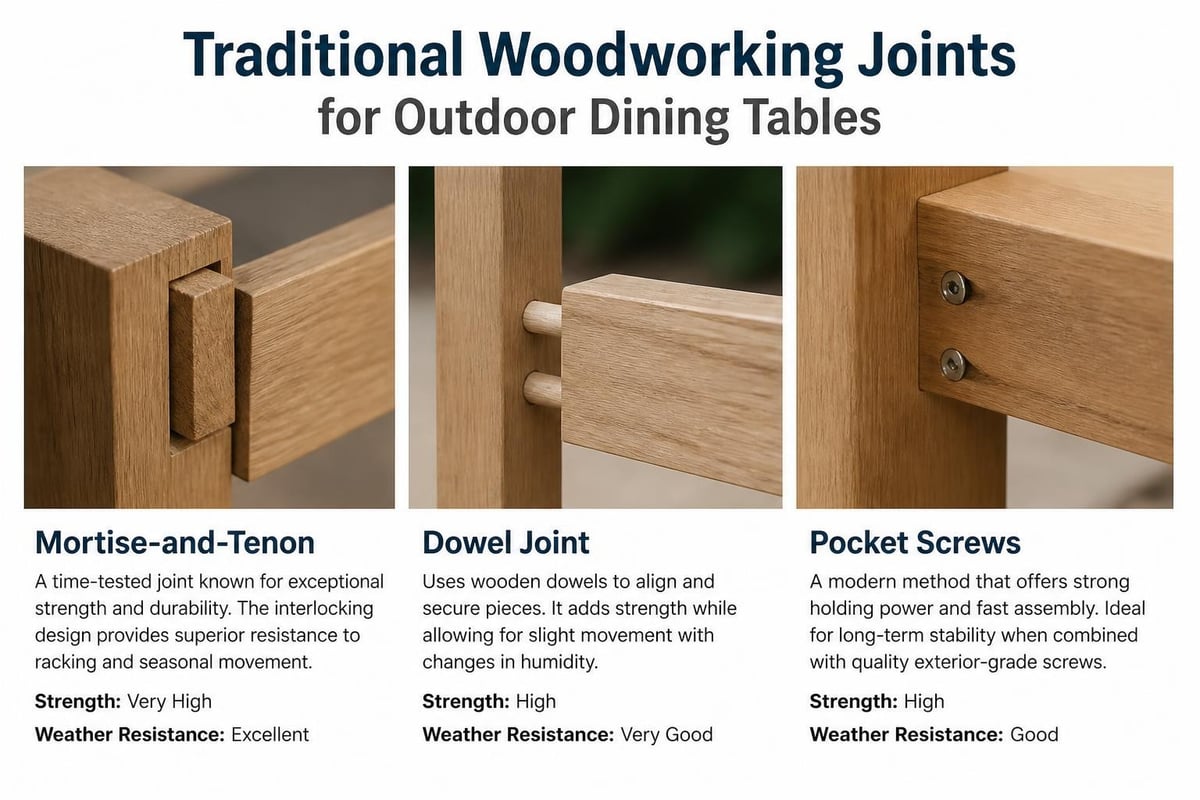
- Choose appropriate joinery - mortise-and-tenon joints provide superior strength
- Gather marine-grade hardware - invest in stainless steel screws, bolts, and brackets
Purchase 10-15% extra material to account for defects, mistakes, and future repairs.
Building the Frame and Base
The base structure determines stability and visual appeal. Trestle designs work beautifully for classic looks, while pedestal bases maximize legroom. A-frame supports provide excellent lateral stability during Hong Kong's occasional gusty winds.
When making an outdoor dining table with a trestle base:
- Cut legs to final height minus tabletop thickness
- Create stretchers that connect legs with half-lap joints or pocket screws
- Ensure the base width provides adequate stability (typically 70-75% of tabletop width)
- Sand all components to 150-grit before assembly
Cross-bracing adds rigidity without visual bulk. Position supports where they won't interfere with seating positions.
Tabletop Assembly Techniques
Edge-gluing solid boards creates beautiful one-piece tops but requires careful moisture management. Alternate grain direction to minimize cupping. Use waterproof polyurethane or epoxy adhesives rated for exterior use.
Breadboard ends - perpendicular boards attached to the main surface ends - allow for seasonal wood movement while preventing warping. This traditional technique proves especially valuable in Hong Kong's dramatic humidity swings between winter and summer.
For those seeking expert guidance, Popular Mechanics' outdoor table plans provide detailed cut lists and assembly sequences.
Finishing and Weatherproofing
Proper finishing transforms raw lumber into furniture that withstands years of outdoor exposure. Hong Kong's climate demands robust protection against moisture, UV radiation, and mildew.
Surface Preparation
Sand progressively through grits: 80, 120, 150, and finally 220 for smooth surfaces. Remove all dust with tack cloths before applying any finish. Orbital sanders work efficiently for flat surfaces, while detail sanders handle joinery and edges.
Round over all sharp edges slightly. This prevents splintering and creates surfaces that wear gracefully over time.
Protective Coatings for Hong Kong Conditions
| Finish Type | Durability | Maintenance Frequency | Best For |
|---|---|---|---|
| Teak oil | Moderate | Every 2-3 months | Natural teak appearance |
| Spar varnish | High | Annual | High-gloss protection |
| Exterior polyurethane | Very High | Every 1-2 years | Maximum weather resistance |
| Penetrating sealer | Moderate | Every 3-4 months | Matte natural look |
Apply finishes during Hong Kong's drier months (October through March) when humidity stays below 70%. This ensures proper curing and adhesion.
UV inhibitors are non-negotiable for rooftop installations receiving full sun exposure. Marine-grade spar urethane contains UV blockers that prevent the silvering and checking common in untreated wood.
Hardware and Assembly Considerations
Making an outdoor dining table requires hardware that matches your material's durability. Fasteners often fail before the wood itself, particularly in salty coastal air.
Selecting Corrosion-Resistant Fasteners
- 316 stainless steel - essential for installations within 1km of the harbor
- Hot-dipped galvanized - acceptable for protected locations
- Brass or bronze - traditional choice for teak and hardwoods
- Coated deck screws - minimum quality for any outdoor application
Avoid zinc-plated or standard steel fasteners entirely. They'll rust within months in Hong Kong's climate, leaving unsightly stains and compromising structural integrity.
Joinery Methods That Last
Traditional joinery outlasts mechanical fasteners when properly executed. Mortise-and-tenon joints, secured with waterproof glue and draw-bored pegs, create connections that actually strengthen as wood swells with moisture.
For simpler construction, pocket screws offer surprising strength when angled correctly. The Decks.com DIY patio table guide demonstrates pocket screw techniques that work well for beginners.
Floating panel construction allows solid wood to expand and contract naturally. This prevents the splits and cracks that plague rigidly fixed tabletops during humidity changes.
Integrating Your Table into Hong Kong Outdoor Spaces
A custom-built table should complement your existing outdoor aesthetic and withstand local environmental challenges. Consider how the piece integrates with your broader terrace or garden design.
Matching Existing Furniture Styles
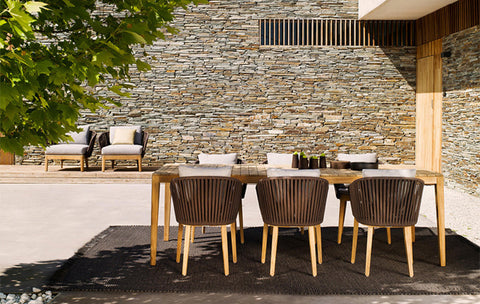
Your handmade dining table can coordinate beautifully with purchased pieces. If you already own quality outdoor furniture, match wood tones and construction styles for a cohesive look. Teak naturally complements rope-wrapped aluminum frames, while darker hardwoods pair elegantly with powder-coated steel.
Many Hong Kong residents combine a statement custom table with comfortable manufactured seating. This approach maximizes both aesthetic impact and practical comfort.
Seasonal Storage and Protection
Typhoon preparation matters significantly when making an outdoor dining table. Design with either breakdown capability or secure anchoring in mind. Tables on rooftop terraces may need tie-down points to prevent wind damage during severe weather.
Consider these protection strategies:
- Custom-fitted covers during monsoon season
- Quick-release legs for easy storage
- Wheeled bases for repositioning
- Tilt capabilities for space-saving vertical storage
Apply fresh protective coating before each wet season (April-May). This simple maintenance dramatically extends furniture life.
Professional vs. DIY: Making the Right Choice
Making an outdoor dining table yourself offers significant satisfaction and potential cost savings, but requires honest assessment of your skills, tools, and available time.
When DIY Makes Sense
Build your own table if you:
- Own or can access essential woodworking tools (table saw, jointer, sander, drill press)
- Have previous woodworking experience and understand joinery basics
- Enjoy the building process as much as the finished product
- Can dedicate 20-40 hours to the project
- Have space to work and finish the piece properly
Hong Kong's limited living space presents challenges for DIY furniture building. Noise restrictions in residential buildings, lack of workshop space, and difficulty storing tools often make DIY projects impractical for apartment dwellers.
Professional Alternatives Worth Considering
For those seeking expertly crafted pieces without the DIY commitment, professional outdoor dining table and chair sets offer exceptional value. Premium manufacturers understand Hong Kong's climate challenges and engineer their products accordingly.
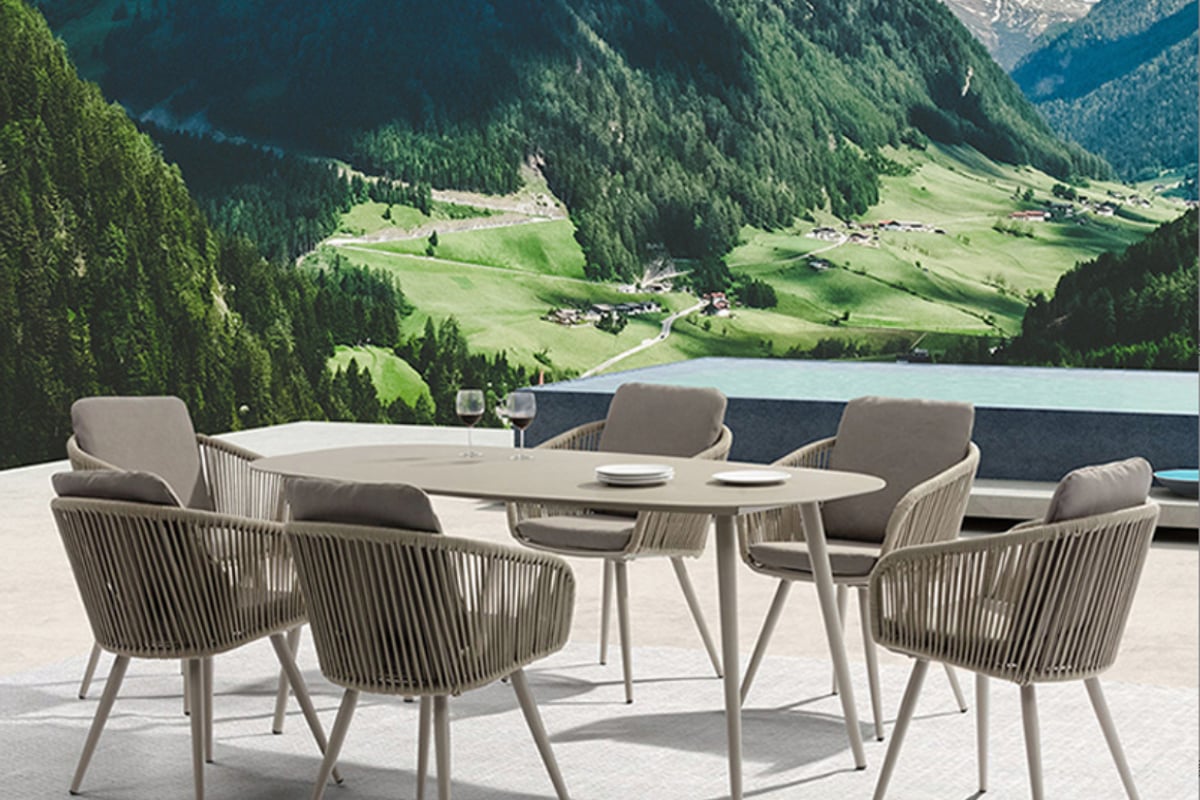
Quality commercial pieces feature:
- Pre-selected weather-resistant materials tested in tropical climates
- Factory-applied finishes superior to most home application methods
- Engineered joinery designed for decades of outdoor exposure
- Warranty protection covering manufacturing defects and material failures
Professional furniture combines traditional craftsmanship with modern materials science, resulting in pieces that often outlast DIY alternatives.
Maintenance for Long-Term Beauty
Making an outdoor dining table represents a significant investment of time or money. Proper maintenance protects that investment and keeps your table looking beautiful for years.
Monthly Care Routines
Clean thoroughly with mild soap and water. Avoid harsh cleaners that strip protective finishes. Rinse completely to prevent soap residue buildup.
Inspect hardware quarterly. Tighten loose fasteners and check for corrosion. Replace any suspect components immediately-hardware failure often causes more damage than the faulty fastener's cost.
Annual Refinishing Schedule
Sand lightly with 220-grit paper to remove surface weathering. Reapply protective finish according to product recommendations. Most exterior finishes require annual or biannual renewal in Hong Kong's demanding climate.
For teak tables, many owners prefer natural silvering. If you enjoy this weathered appearance, simply clean periodically without refinishing. The wood remains protected by its natural oils.
Check underneath the table annually. Moisture often accumulates on undersides and in joinery, creating conditions for mildew or rot. Ensure adequate air circulation and address any degradation promptly.
Design Inspiration from Hong Kong's Outdoor Lifestyle
Making an outdoor dining table gives you freedom to customize for your specific entertaining style and space constraints. Hong Kong's unique outdoor living culture offers rich inspiration.
Adapting to Compact Spaces
Folding extensions transform a daily-use table into an entertaining centerpiece. Drop-leaf designs or butterfly extension mechanisms work beautifully in space-constrained balconies.
Multi-functional designs maximize utility. Consider integrated storage beneath benches, or tabletops that lift to reveal ice storage for drinks during summer gatherings.
Look to proven outdoor furniture designs for sizing and proportion inspiration. Successful commercial pieces reflect years of refinement and real-world testing.
Creating Seamless Indoor-Outdoor Flow
Hong Kong's mild winter temperatures encourage year-round outdoor dining. Design your table to complement interior aesthetics visible through glass doors. Matching wood tones and finish levels creates visual continuity between spaces.
Consider lighting integration. Recessed LED strips beneath the tabletop edge or built-in candle holders enhance evening ambiance on your Sai Kung terrace or Repulse Bay balcony.
Tools and Equipment Essentials
Success in making an outdoor dining table depends partly on having appropriate tools. You don't need a professional workshop, but certain equipment proves essential.
Minimum Tool Requirements
Cutting and shaping:
- Circular saw with guide or table saw for straight cuts
- Jigsaw for curved elements
- Random orbital sander (saves hours versus hand sanding)
- Block plane for edge refinement
- Drill with bits and countersink set
Measuring and marking:
- Quality tape measure (at least 5 meters)
- Combination square
- Marking gauge
- Level (longer lengths improve accuracy)
Assembly:
- Bar clamps (minimum four, 90cm or longer)
- Corner clamps for square assembly
- Pocket hole jig if using that joinery method
Tool rental services in Kwun Tong and other industrial areas offer access to expensive equipment for specific project phases. This approach keeps costs reasonable while ensuring quality results.
Safety Equipment
Hong Kong's compact living spaces require extra attention to safety when woodworking. Always use:
- Safety glasses (debris and dust protection)
- Dust mask or respirator (especially when sanding or finishing)
- Hearing protection during power tool operation
- Work gloves when handling rough lumber
Proper ventilation proves critical when applying finishes. Many Hong Kong woodworkers schedule finishing work for outdoor locations or well-ventilated car parks.
Understanding Wood Movement in Humid Climates
Making an outdoor dining table in Hong Kong means respecting how wood responds to our dramatic humidity fluctuations. This understanding separates furniture that lasts from pieces that fail prematurely.
Seasonal Expansion and Contraction
Wood moves primarily across the grain (width), not along it (length). A 100cm-wide teak tabletop might expand 6-8mm between January's 50% humidity and August's 95% humidity. Design must accommodate this movement or expect cracks and joint failures.
Floating panel construction solves this challenge elegantly. The tabletop boards attach to the base with fasteners through slotted holes, allowing lateral movement while preventing lifting or cupping.
Breadboard ends require special attachment methods. Pin or screw only through the center, leaving outer attachments in elongated holes. This allows the main boards to expand without splitting the end pieces.
Material Selection for Stability
Some woods move less than others. When making an outdoor dining table, choose stable species when possible:
Most stable (minimal movement):
- Teak
- Ipe
- Mahogany
- Cumaru
Moderate stability:
- White oak
- Cedar
- Acacia
Less stable (avoid for large panels):
- Pine
- Maple
- Beech
Check the Wood Database for specific shrinkage values before committing to a species.
Final Thoughts on Craftsmanship and Quality
Making an outdoor dining table tests your planning, patience, and woodworking skills. The process rewards attention to detail and respect for materials. Every cut, joint, and finish application contributes to furniture that serves your family and guests for decades.
Whether you choose the satisfaction of DIY construction or the assurance of professional craftsmanship, understanding these principles helps you make informed decisions. Quality outdoor furniture transforms how you experience Hong Kong's beautiful weather, creating comfortable spaces for connection and celebration.
Your table becomes part of family history-the surface where children do homework during pleasant afternoons, where friends gather for weekend barbecues, and where quiet morning coffee rituals anchor busy weeks. That transformation from raw materials to treasured furniture makes every hour invested worthwhile.
Making an outdoor dining table requires balancing design vision with practical climate considerations, material selection with construction skills, and immediate needs with long-term durability. Whether building from scratch or selecting professionally crafted pieces, the right outdoor dining table elevates your Hong Kong outdoor space into a true extension of your home. Hong Kong Outdoor Furniture offers expertly designed dining tables and complete outdoor furniture collections specifically engineered for our unique climate, helping you create beautiful, lasting outdoor living spaces without the complexity of DIY construction.