

Picnic Table Guide: Design, Materials & Hong Kong Use
A picnic table transforms any outdoor space into a welcoming gathering point, whether you're hosting weekend barbecues on your rooftop terrace, creating a casual dining spot in your garden, or outfitting a community park. In Hong Kong's humid subtropical climate, choosing the right picnic table means balancing durability against monsoon rains and summer heat with design that complements your outdoor living vision. From traditional wooden benches to modern aluminum and recycled-plastic options, today's picnic tables offer far more versatility than the park staples many of us remember from childhood.
Understanding Picnic Table Design Fundamentals
The classic picnic table silhouette has remained remarkably consistent for generations, featuring an integrated bench-and-table configuration that maximizes seating while minimizing footprint. Most traditional designs measure approximately 6 feet long and 5 feet wide, accommodating six to eight adults comfortably. This standardized sizing traces back to early 20th-century park planning, when landscape architects sought furniture solutions that balanced capacity, durability, and ease of manufacture.
Traditional Versus Contemporary Configurations
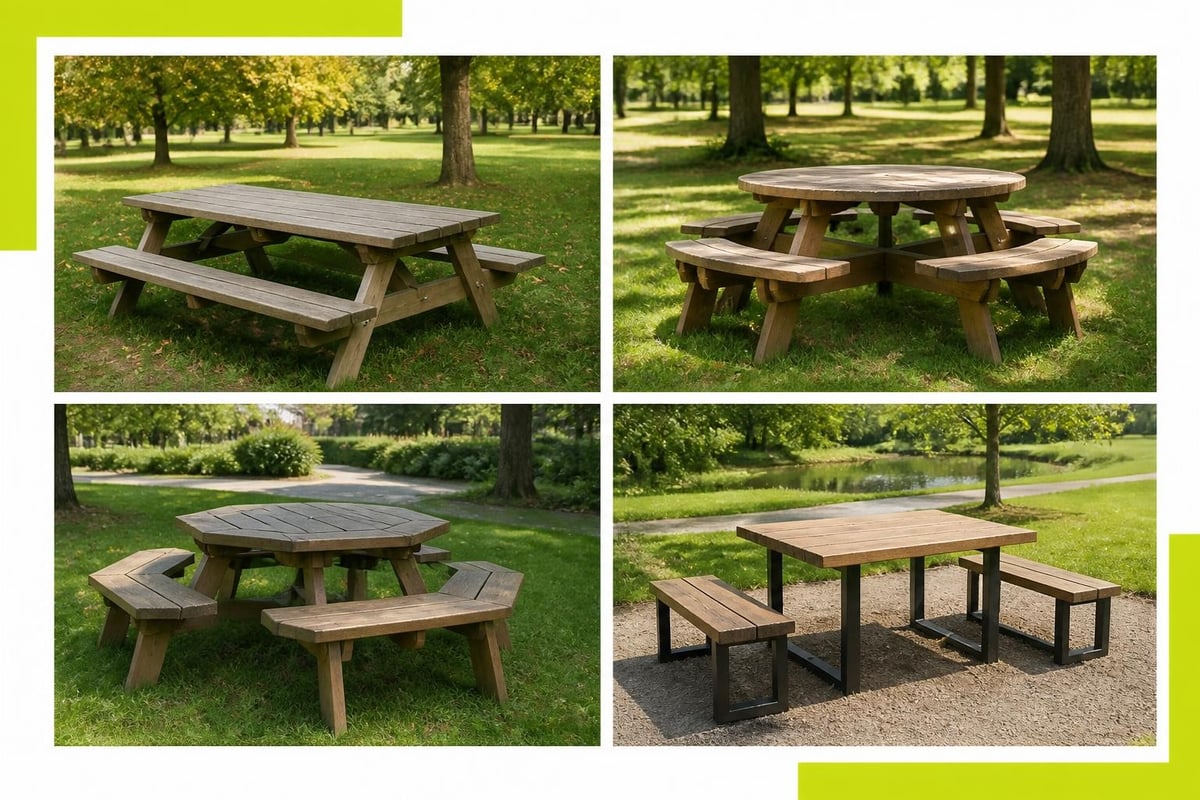
Traditional A-frame picnic tables feature diagonal leg supports that create exceptional stability without requiring ground anchoring. The attached bench design discourages theft and ensures seats stay properly positioned. This configuration works beautifully for permanent installations in gardens, parks, and outdoor dining areas where you want furniture that stays put through typhoon season.
Modern detached-bench styles offer greater flexibility for different group sizes and accessibility needs. Separate benches allow wheelchair users to pull up to the table edge, and you can rearrange seating for various occasions. The U.S. Access Board's ADA/ABA Accessibility Guidelines specify minimum clearances and knee space requirements that inform contemporary picnic table design, ensuring inclusive outdoor spaces.
Round and hexagonal picnic tables introduce a social dynamic that rectangular designs can't match:
- Round tables (typically 46-48 inches diameter) seat 4-6 people with everyone facing inward
- Hexagonal designs accommodate 6-8 adults while maintaining the conversational circle
- Square configurations work well for smaller Hong Kong balconies and terrace corners
Material Selection for Hong Kong's Climate
Hong Kong's climate presents unique challenges for outdoor furniture. Annual rainfall averaging 2,400mm, humidity regularly exceeding 80%, and intense UV exposure during summer months demand materials engineered to resist moisture, prevent mold growth, and maintain structural integrity through temperature swings.
Wood Species and Treatment Options
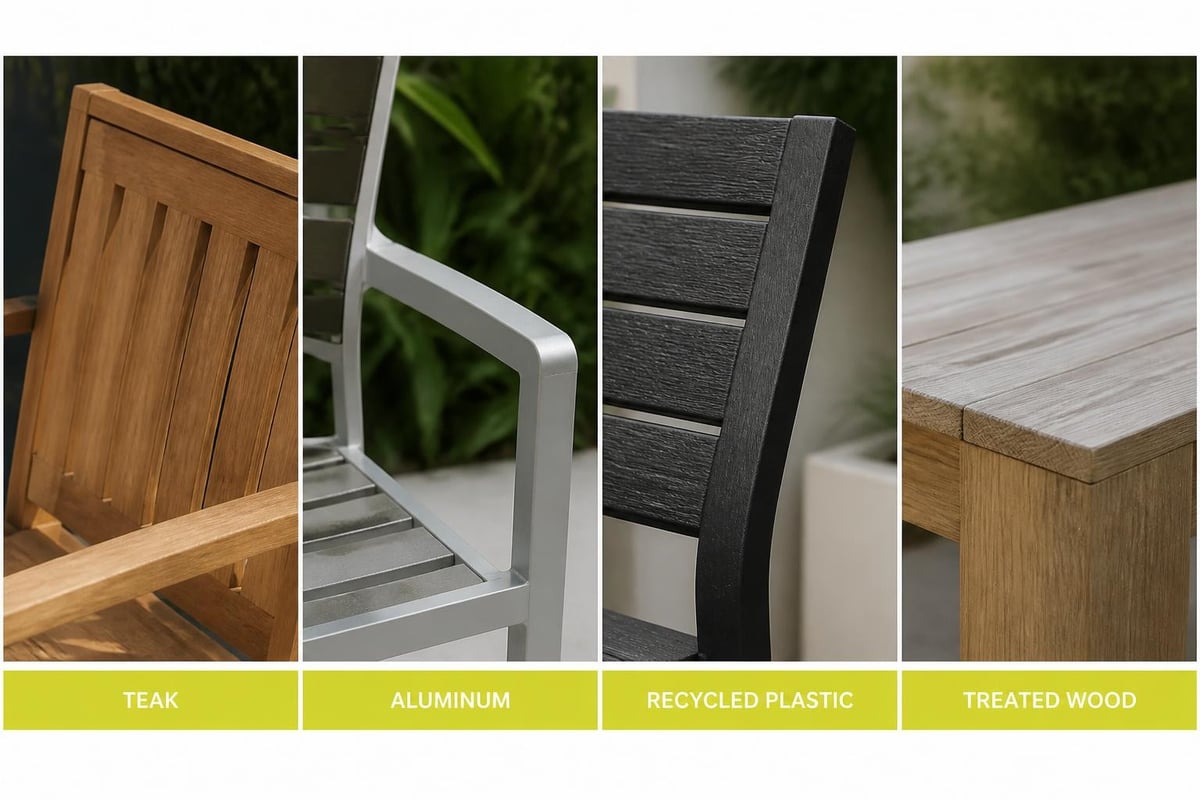
Teak remains the gold standard for outdoor furniture in tropical climates. Its natural oils repel water and resist decay without chemical treatment. A quality teak picnic table develops a beautiful silver-gray patina over time, or you can maintain the honey-brown color with annual oiling. The USDA Forest Service selection guide recommends teak for high-humidity environments, noting its exceptional dimensional stability.
Treated softwoods like pressure-treated pine offer budget-friendly options when properly maintained. Modern treatment processes use copper-based preservatives that resist fungal decay and termite damage. However, Hong Kong's intense humidity means you'll need to reapply water-repellent sealers annually and inspect joints regularly for moisture intrusion.
Acacia and eucalyptus provide mid-range alternatives with good weather resistance. These fast-growing hardwoods offer decent durability at lower price points than teak, though they require protective finishes and more frequent maintenance in Hong Kong's demanding climate.
| Material | Durability (years) | Maintenance Level | Climate Suitability | Typical Cost |
|---|---|---|---|---|
| Teak | 25-50+ | Low | Excellent | High |
| Recycled Plastic | 20-30 | Very Low | Excellent | Medium-High |
| Powder-Coated Aluminum | 15-25 | Low | Excellent | Medium-High |
| Treated Pine | 10-15 | High | Moderate | Low |
| Acacia | 8-12 | Medium | Good | Medium |
Metal and Composite Innovations
Powder-coated aluminum delivers impressive weather resistance with minimal weight, making it ideal for rooftop installations where structural load matters. The powder-coating process creates a durable finish that resists chipping and corrosion far better than traditional paint. Quality aluminum picnic tables withstand Hong Kong's salt air (important for properties near Victoria Harbour) without the rust concerns of steel.
Recycled plastic lumber represents one of the most exciting developments in outdoor furniture. The EPA has documented successful initiatives converting post-consumer plastics into durable picnic tables that won't splinter, rot, or require painting. These materials contain 95-100% recycled content while delivering 25-30 year service lives.
A systematic review published in peer-reviewed research examined lifecycle assessments of recycled plastics in construction, finding that while manufacturing requires significant energy input, the extended service life and elimination of maintenance chemicals result in favorable environmental outcomes compared to treated wood. For Hong Kong residents concerned about sustainability, recycled plastic picnic tables offer genuine circular-economy benefits.
Thermory and modified wood technologies use heat treatment to fundamentally alter wood cell structure, creating rot resistance without chemical preservatives. While less common in Hong Kong's market, these materials combine natural aesthetics with enhanced durability.
Sizing and Space Planning
Selecting the right picnic table size requires understanding both the physical dimensions of your space and how you'll use it. A table that dominates a small rooftop terrace feels oppressive, while undersized furniture in a spacious garden looks lost and fails to anchor the outdoor room effectively.
Standard Dimensions and Capacity
6-foot tables represent the industry standard, seating three adults per side comfortably. At 72 inches long and approximately 58-60 inches wide (including benches), they require a minimum footprint of about 8 feet by 7 feet when you account for chair clearance and circulation space.
8-foot tables accommodate larger gatherings with four adults per side. These work beautifully in gardens or community spaces but may overwhelm typical Hong Kong residential balconies and small terraces. Consider whether you'll regularly host groups of 10-12 or if a smaller table with supplementary seating makes more sense.
4-foot and children's sizes suit compact spaces and family-focused areas. Kids' picnic tables (typically 4 feet long with 10-12 inch seat heights) create dedicated zones that encourage outdoor play and meals.
Clearance and Circulation Requirements
The 2010 ADA Standards for Accessible Design specify that accessible picnic tables require 36-inch-wide clear ground space on all usable sides, with 30-inch vertical clearance beneath the table for knee space. Even in residential settings, these guidelines offer smart planning principles that ensure comfort for all users.
Around standard tables, plan for:
- Minimum 36 inches behind benches for seated access and exit
- 48 inches preferred for comfortable circulation when people are seated
- 60 inches if the table backs onto a major walkway or pool deck
- Additional clearance near grills, storage units, or other activity zones
Finish Options and Protective Treatments
Even weather-resistant materials benefit from appropriate finishes that enhance appearance and extend service life. Hong Kong's climate accelerates UV degradation and moisture-related wear, making protective treatments worthwhile investments.
Wood Finishing Strategies
Natural weathering suits teak and high-quality hardwoods that develop attractive patinas. The silver-gray aging process happens gradually over 6-12 months. Periodic cleaning with mild soap and water maintains appearance without fighting the natural process.
Oil-based maintenance preserves original wood color while nourishing the material. Teak oil, Danish oil, or specialized outdoor wood oils penetrate the surface, replenish natural oils, and create water-repellent barriers. In Hong Kong's humid environment, annual applications before the dry winter months deliver best results.
Film-forming finishes (marine varnish, exterior polyurethane, or specialized outdoor wood stains) create protective barriers on the wood surface. These require more maintenance than oils, with touch-ups or complete refinishing needed every 2-3 years as UV exposure breaks down the film.
Metal Coating Systems
Quality powder-coated finishes on aluminum picnic tables feature multi-stage preparation:
- Surface cleaning and degreasing
- Chromate or phosphate conversion coating for corrosion resistance
- Electrostatically applied powder coat
- Heat curing at 350-400°F for chemical bonding
This process creates finishes far more durable than liquid paint, with 10-15 year performance in coastal environments when properly applied. Inspect coatings annually for chips or scratches and touch up promptly to prevent corrosion beneath the coating.
Integration with Outdoor Dining Spaces
A picnic table serves as more than standalone furniture; it anchors outdoor dining experiences and shapes how you use your terrace, garden, or rooftop. Thoughtful integration with other elements creates cohesive outdoor rooms that rival interior spaces for comfort and style.
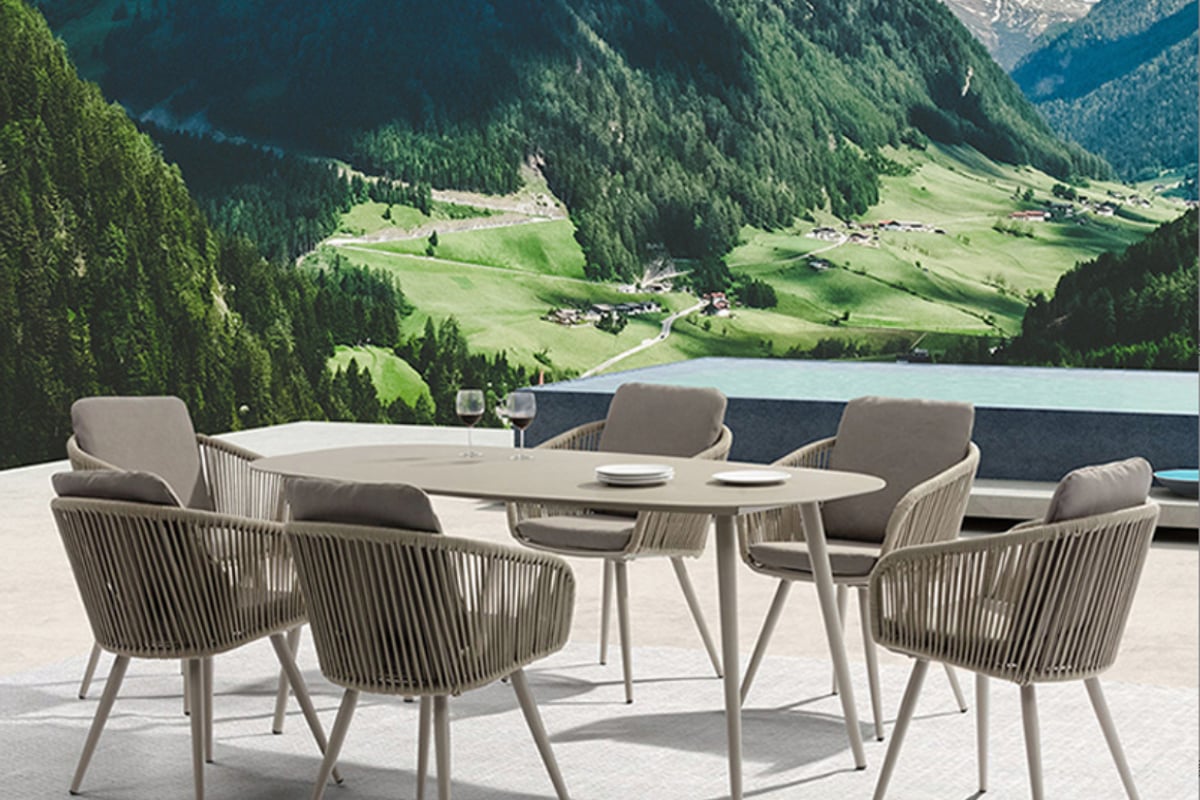
For those planning complete outdoor dining areas, outdoor dining table and chair sets offer coordinated alternatives to picnic tables, with separate seating that provides more formal arrangements while maintaining weather resistance suited to Hong Kong's climate.
Shade and Weather Protection
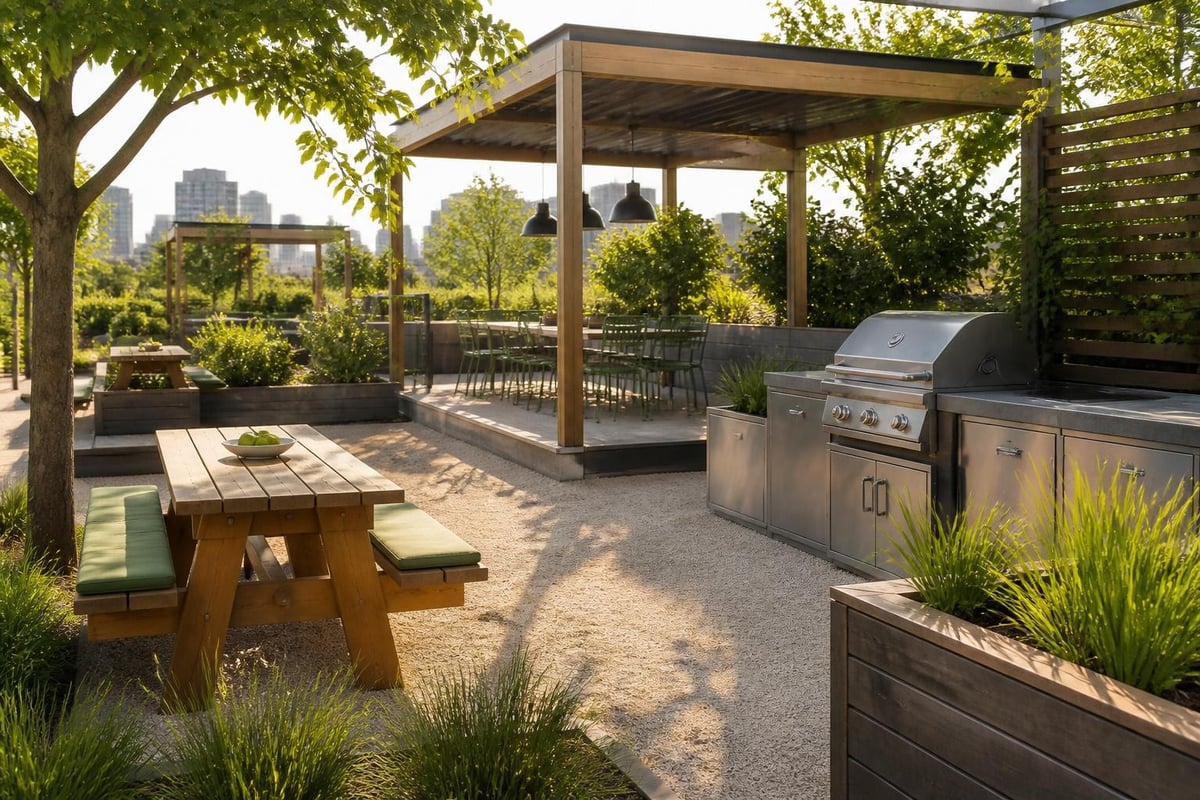
Direct sun exposure on summer afternoons makes any outdoor dining uncomfortable and accelerates material degradation. Strategic shade planning extends both table usability and lifespan:
Permanent structures like pergolas, arbors, or pavilion roofs provide reliable protection while defining outdoor rooms. Climbing vines on pergola beams add natural cooling and create dappled shade that feels more comfortable than solid roof coverage.
Umbrellas and shade sails offer flexible, seasonal protection. Commercial-grade cantilever umbrellas (9-11 feet wide) cover full-size picnic tables without center-pole interference. Shade sails create dramatic contemporary aesthetics while blocking 90-95% of UV radiation.
Natural shade from trees cools the space beautifully but requires consideration of leaf litter, sap drip, and root systems that may lift pavers or decking over time. Position tables to capture afternoon shade while avoiding direct overhead branches.
Maintenance Schedules for Longevity
Proper maintenance significantly extends picnic table service life regardless of material choice. Hong Kong's climate makes regular inspection and cleaning especially important, as humidity and rain can hide developing problems until they become serious.
Seasonal Maintenance Calendar
Monthly tasks (year-round):
- Remove debris from table surfaces and beneath benches
- Check for loose fasteners and tighten as needed
- Clean bird droppings and organic stains promptly
- Inspect drainage around table base
Quarterly deep cleaning (especially before and after monsoon season):
- Scrub entire table with appropriate cleaner for material type
- Inspect all joints and connection points
- Check for signs of mold, mildew, or insect activity
- Clear drainage channels and ensure water doesn't pool
Annual preservation treatments:
- Wood tables: Apply protective oil or refinish as needed (typically before dry winter months)
- Metal tables: Touch up powder coating chips; clean and wax aluminum
- Plastic lumber: Pressure wash if needed; check structural fasteners
- All tables: Inspect and replace deteriorated hardware using stainless steel or coated fasteners
The National Park Service design guide provides excellent maintenance recommendations developed for high-use public installations that translate well to residential settings, particularly regarding inspection schedules and preventive care.
Common Issues and Solutions
| Problem | Cause | Solution |
|---|---|---|
| Surface mold/mildew | Trapped moisture, shade | Clean with 1:10 bleach solution; improve drainage/airflow |
| Loose fasteners | Thermal expansion/contraction | Replace with stainless steel; use lock washers |
| Wood splitting | UV damage, moisture cycling | Sand smooth; apply penetrating oil; consider epoxy fill for large splits |
| Coating failure | UV breakdown, substrate prep | Strip and refinish; ensure proper surface preparation |
| Warping/cupping | Uneven moisture exposure | May require board replacement; improve drainage and sealing |
Style Considerations for Hong Kong Spaces
Picnic tables needn't default to rustic park aesthetics. Contemporary designs bring these practical pieces into sophisticated outdoor living spaces, complementing modern Hong Kong architecture while maintaining their functional advantages.
Modern Minimalist Approaches
Sleek aluminum picnic tables with powder-coated finishes in charcoal, white, or custom colors integrate beautifully with contemporary homes. Clean-lined designs eliminate traditional A-frame bracing in favor of concealed structural supports or architectural leg profiles that look intentional rather than merely functional.
Pair minimalist tables with coordinated planters, LED lighting, and geometric pavers to create cohesive outdoor rooms. The standalone furniture collection offers complementary pieces that maintain design consistency across your outdoor space.
Traditional and Transitional Styles
Classic wood picnic tables bring warmth and natural beauty to gardens and traditional homes. Opt for refined details like routed edges, decorative end cuts, or contrasting stain colors that elevate standard designs. Teak tables with oil finishes complement heritage architecture in areas like Mid-Levels, Stanley, and Sai Kung.
Transitional designs blend traditional materials with contemporary proportions. Think wider slat spacing, thinner profiles, and mixed materials like wood tops with metal bases that bridge style periods comfortably.
Color and Finish Coordination
Beyond natural wood tones, consider how picnic table color interacts with your outdoor environment:
- Dark finishes (espresso, charcoal, black) recede visually and hide stains well but absorb significant heat in direct sun
- Light colors (white, cream, light gray) reflect heat and brighten shaded spaces but show dirt more readily
- Mid-tones (natural wood, bronze, taupe) offer practical balance with versatile aesthetic appeal
- Bold colors (navy, forest green, terracotta) make dramatic statements in large gardens but can overwhelm small balconies
Commercial and Community Applications
While residential use drives much picnic table selection, commercial installations for parks, schools, clubhouses, and outdoor dining venues require additional considerations around durability, accessibility, safety, and maintenance efficiency.
High-Traffic Durability Requirements
Commercial picnic tables face dramatically higher use intensity than residential furniture. A park table might serve dozens of families weekly, enduring everything from children climbing on benches to teenagers skateboarding off edges. Material selection prioritizes vandal resistance and damage tolerance:
Recycled plastic lumber dominates commercial installations because it tolerates abuse that would destroy wood. Recent technical reviews of recycled plastic lumber performance document 20-30 year service lives in heavy-use park settings with minimal maintenance beyond periodic cleaning.
Steel-reinforced concrete offers maximum vandal resistance for high-risk locations, though the industrial aesthetic limits residential appeal. Thermally treated wood inserts in concrete frames combine durability with more natural appearance.
Heavy-duty metal frames with replaceable wood or plastic slats allow cost-effective repair when damage occurs. Specify commercial-grade fasteners and through-bolt construction rather than surface screws that pull out under stress.
Accessibility Planning
Public picnic areas must comply with accessibility requirements ensuring inclusive outdoor recreation. The ADA design standards mandate that at least 20% of picnic tables provide accessible seating, with specific requirements for:
- Extended table sections without benches for wheelchair positioning
- Minimum 30-inch knee clearance beneath table surfaces
- Firm, stable ground surface extending at least 36 inches from table edge
- Accessible routes connecting parking, restrooms, and picnic sites
Even in residential settings, accessible design principles create more versatile, welcoming outdoor spaces that accommodate elderly relatives, friends with mobility devices, and future needs as you age in place.
Installation and Site Preparation
Proper installation ensures picnic tables remain stable, level, and comfortable while protecting surrounding landscaping and hardscaping from damage. Hong Kong's frequent heavy rain makes drainage considerations especially critical.
Foundation Options
Portable/free-standing placement works well for lightweight aluminum or plastic tables on existing patios, decks, or pavers. Ensure the surface is level within 1/4 inch across the table footprint. Rubber or plastic foot pads protect finished surfaces and prevent sliding.
In-ground mounting provides maximum stability for permanent installations in gardens or parks. Options include:
- Concrete footings for each leg (12-inch diameter, 18-24 inches deep)
- Ground sleeves allowing seasonal table removal while maintaining stable mounting points
- Anchored base plates bolted to concrete pads or existing hardscape
Gravel or decomposed granite pads offer semi-permanent solutions with good drainage:
- Excavate 4-6 inches beneath table footprint
- Install landscape fabric to prevent weed growth
- Fill with 3-4 inches crushed gravel, compact thoroughly
- Top with 1-2 inches decomposed granite or fine gravel
- Level carefully before placing table
Drainage Management
Standing water accelerates material degradation and creates slipping hazards. Slope the area beneath and around picnic tables at minimum 1-2% grade (1/4 inch per foot) away from table supports. French drains or catch basins may be necessary in low-lying areas or beneath covered structures where natural evaporation is limited.
For rooftop installations, coordinate with building management to ensure proper drainage won't overload existing systems. Raised platforms or adjustable feet help level tables on sloped waterproofing membranes without compromising roof drainage.
Whether you're furnishing a family garden, a commercial outdoor dining space, or a community park, the right picnic table balances durability against Hong Kong's demanding climate with design that enhances how you live outdoors. From material selection through installation and maintenance, each decision shapes years of outdoor gathering, dining, and relaxation. Hong Kong Outdoor Furniture brings the same design expertise and climate-specific knowledge to every outdoor living element, offering premium collections that transform balconies, rooftops, gardens, and poolside areas into beautiful, functional spaces built to last through countless seasons of Hong Kong's humid subtropical weather.