

Plastic Outdoor Table and Chairs: Hong Kong 2026 Guide
When furnishing a balcony, rooftop terrace, or poolside area in Hong Kong, a plastic outdoor table and chairs set offers an accessible entry point for creating comfortable outdoor living spaces. While luxury materials like teak and powder-coated aluminium dominate the high-end market, plastic outdoor furniture has evolved significantly in recent years, offering improved aesthetics, enhanced durability, and practical benefits suited to our city's humid subtropical climate. Understanding the materials, maintenance requirements, and design considerations helps Hong Kong homeowners make informed choices that balance budget constraints with performance expectations.
Material Science Behind Modern Plastic Outdoor Furniture
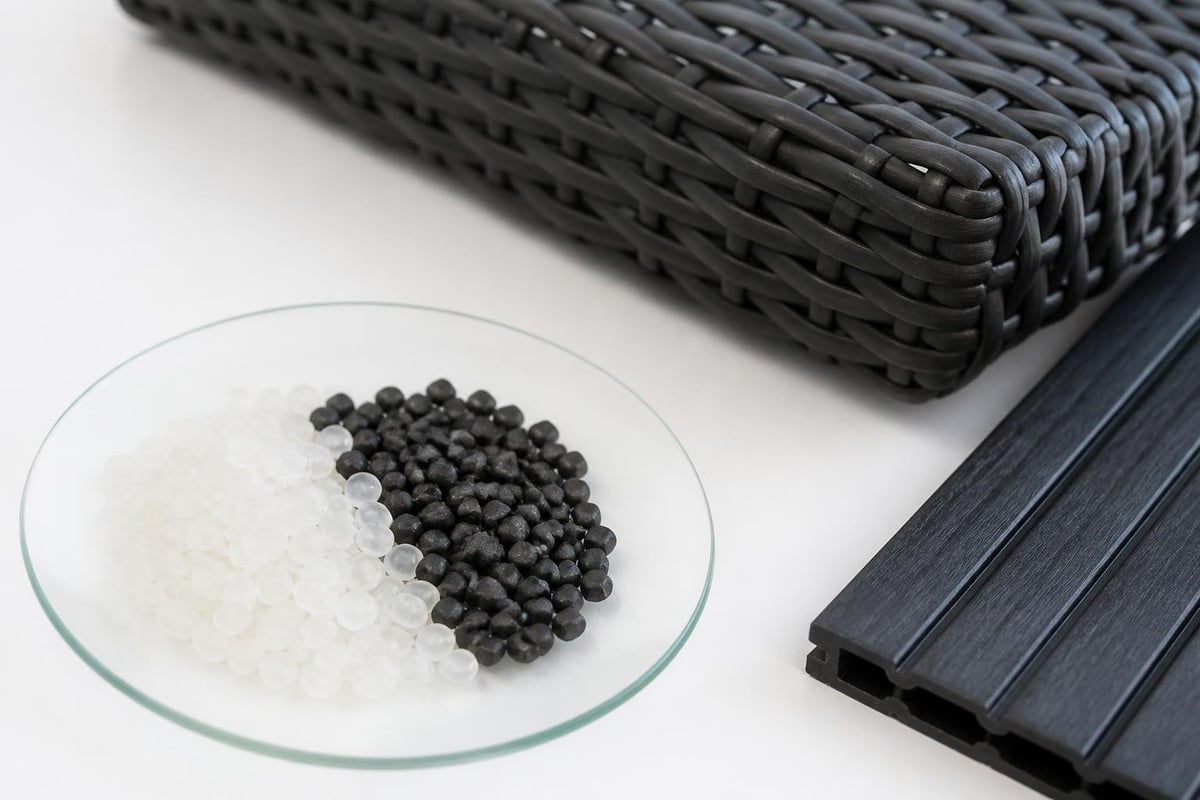
Not all plastics are created equal when it comes to outdoor furniture durability. The most common polymers used in plastic outdoor table and chairs production include high-density polyethylene (HDPE), polypropylene (PP), and occasionally polyvinyl chloride (PVC).
HDPE stands out as the premium choice for several compelling reasons. According to industry material specifications, HDPE offers superior impact resistance, exceptional UV stability, and minimal moisture absorption. These properties make it ideal for Hong Kong's intense summer sun and year-round humidity. Quality HDPE furniture can maintain structural integrity for 5-10 years when properly maintained.
Polypropylene represents the most widely used plastic in budget-friendly outdoor furniture. While lighter and more affordable than HDPE, PP furniture requires UV stabilizers and additives to prevent degradation. Without these protective compounds, polypropylene breaks down more rapidly under Hong Kong's tropical conditions.
What Manufacturing Standards Matter
When evaluating plastic outdoor table and chairs, look for products that meet recognized performance benchmarks. The ASTM F1838 standard establishes comprehensive safety and durability requirements for plastic chairs intended for outdoor use, covering load capacity, stability, and structural integrity testing.
Reputable manufacturers conduct accelerated weathering tests that simulate years of exposure in compressed timeframes. These tests evaluate:
- Color fade resistance after 1,000+ hours of UV exposure
- Surface cracking and chalking tendencies
- Structural weakening from temperature cycling
- Impact resistance at various temperatures
Hong Kong buyers should specifically ask about certifications and testing protocols before purchasing, especially for furniture that will face direct sun exposure on west-facing balconies or unshaded rooftops.
Design Evolution and Aesthetic Considerations
The plastic outdoor furniture landscape has transformed dramatically from the basic white stacking chairs of decades past. Contemporary manufacturers now produce plastic outdoor table and chairs that incorporate thoughtful design elements while maintaining the material's inherent advantages.
Color Technology and Surface Finishes
Modern plastic furniture utilizes through-color technology, where pigments are integrated throughout the material rather than applied as a surface coating. This approach offers several benefits for Hong Kong conditions:
- Scratch resistance: Minor scratches don't reveal contrasting underlayers
- Fade tolerance: Color degradation occurs gradually and uniformly
- Easier touch-ups: Surface abrasions are less visually prominent
| Finish Type | Durability | Maintenance | Best For |
|---|---|---|---|
| Matte | Excellent | Low (hides dirt) | High-traffic areas |
| Glossy | Moderate | High (shows scratches) | Protected balconies |
| Textured | Very Good | Moderate | Poolside zones |
Textured surfaces deserve particular attention for Hong Kong applications. The subtle grain patterns common in premium plastic furniture help mask the inevitable wear that occurs in our humid environment while providing better grip when surfaces become wet.
Structural Design That Works in Compact Spaces
Hong Kong's typical residential outdoor areas range from 20-80 square feet, making furniture proportions critical. Well-designed plastic outdoor table and chairs prioritize:
- Stackability without compromise: Chairs that nest efficiently without sacrificing comfort
- Lightweight portability: Easy repositioning for cleaning or seasonal storage
- Low-profile silhouettes: Designs that don't overwhelm small balconies
- Integrated drainage: Molded channels that prevent water pooling
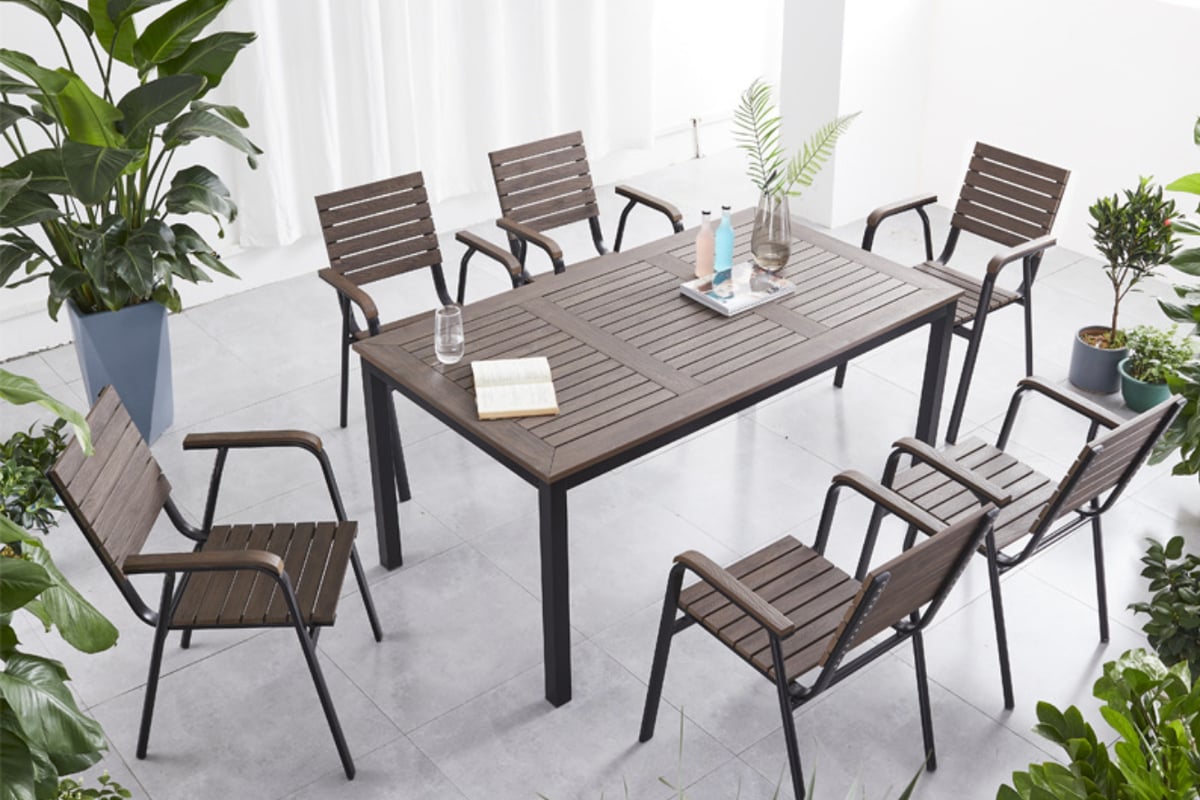
For those looking to elevate their outdoor dining experience beyond basic plastic sets, exploring our curated Outdoor Dining Table & Chairs Set collection reveals how premium materials and thoughtful design create spaces perfectly suited for Hong Kong's indoor-outdoor lifestyle.
Climate Performance in Hong Kong Conditions
Hong Kong's climate presents unique challenges that make material selection crucial for outdoor furniture longevity. Our subtropical environment combines:
- Annual rainfall: 2,400mm+ concentrated in May-September
- Humidity levels: 75-95% during summer months
- UV intensity: Very high (8-11) during peak summer
- Temperature range: 10°C (winter) to 35°C+ (summer)
- Typhoon exposure: Strong winds and driving rain
How Plastic Handles Hong Kong Weather
Quality plastic outdoor table and chairs excel in several climate-specific scenarios. Unlike metal furniture that corrodes or wooden pieces that warp and split, properly formulated plastics resist moisture-related degradation. HDPE and PP materials don't absorb water, preventing the freeze-thaw damage common in temperate climates (though less relevant here) and the mold growth that affects porous materials in humid conditions.
UV degradation represents the primary concern for plastic furniture in Hong Kong. Direct sunlight exposure triggers photodegradation, breaking down polymer chains and causing surface chalking, color fading, and eventual brittleness. Research published in Scientific Reports demonstrates how weathering increases the toxicity of plastic leachates over time, highlighting the importance of UV-stabilized formulations for both product longevity and environmental responsibility.
High-quality plastic outdoor table and chairs incorporate UV inhibitors and stabilizers that significantly slow this degradation process. Premium pieces maintain structural integrity and appearance for 7-10 years even with continuous outdoor exposure, while budget options may show noticeable deterioration within 2-3 years.
Typhoon Preparedness and Storage
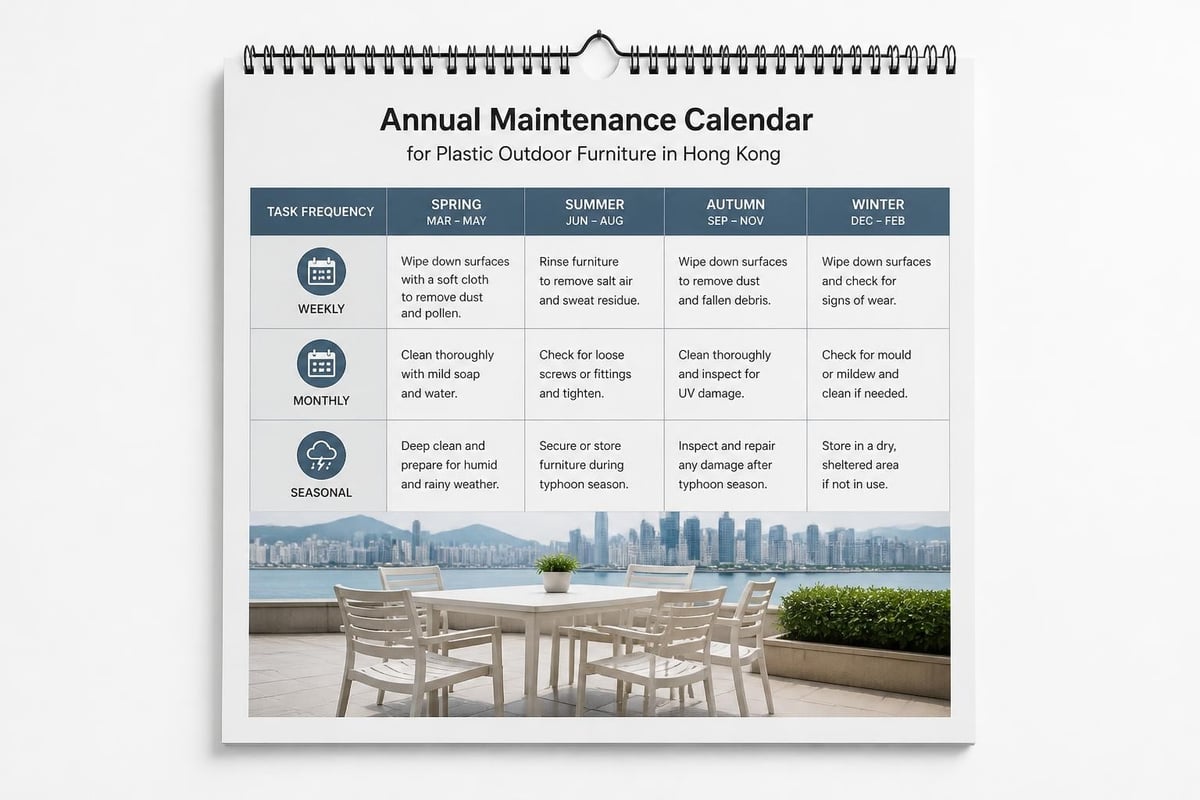
During Hong Kong's typhoon season (May through November), lightweight plastic furniture presents both advantages and challenges. The portability makes it easy to bring indoors or secure in storage areas when tropical cyclone warnings are issued. However, unsecured lightweight pieces can become dangerous projectiles in strong winds.
Best practices for typhoon preparation include:
- Storing all plastic furniture indoors when Signal 8 is anticipated
- Using furniture straps or weights for pieces that can't be moved
- Maintaining a designated storage area accessible within 2-3 hours of warning
- Checking manufacturer weight specifications to assess wind vulnerability
Maintenance Protocols That Extend Lifespan
Proper care dramatically extends the useful life of plastic outdoor table and chairs while maintaining appearance and functionality. Unlike teak wood patio furniture that requires seasonal oiling or metal sets needing rust prevention, plastic furniture demands relatively minimal but consistent maintenance.
Cleaning Best Practices
According to Consumer Reports cleaning guidance, regular washing prevents the buildup of pollutants, pollen, and mildew that accelerate surface degradation. For Hong Kong environments, implement this routine:
Weekly quick clean (5 minutes):
- Rinse with garden hose to remove surface dust and pollen
- Wipe high-contact areas (armrests, tabletops) with damp microfiber cloth
- Check drainage holes for blockages
Monthly deep clean (15-20 minutes):
- Mix mild dish soap (1 tablespoon) with warm water (1 liter)
- Scrub all surfaces with soft-bristle brush
- Pay special attention to textured surfaces where grime accumulates
- Rinse thoroughly to prevent soap residue buildup
- Dry with clean towel or allow to air dry completely
Seasonal intensive maintenance (twice yearly):
- Inspect for stress cracks, especially at joints and weight-bearing points
- Apply plastic-specific protectant containing UV inhibitors
- Deep clean with oxygen bleach solution for stubborn mold or mildew
- Check and tighten any metal fasteners or connectors
What to Avoid
Certain cleaning methods and products can permanently damage plastic outdoor table and chairs:
- Abrasive cleaners or pads: Scratch protective UV coatings and create rough surfaces that trap dirt
- Strong solvents: Acetone, paint thinner, and harsh chemicals can dissolve or weaken plastic polymers
- High-pressure washing: Excessive pressure can force water into joints or create surface pitting
- Bleach solutions above 10%: While diluted bleach removes mildew safely, concentrated solutions can degrade plastic over time
For Hong Kong's humid climate where mildew develops quickly, a solution of 1 part white vinegar to 3 parts water provides effective, non-toxic cleaning for minor mold issues.
Environmental Considerations and Recycling
The sustainability profile of plastic outdoor furniture presents a complex picture that deserves honest examination. While plastic's durability reduces replacement frequency compared to disposable alternatives, end-of-life management remains challenging.
Recycling Pathways for HDPE and PP
Both HDPE and polypropylene qualify as recyclable plastics, designated as #2 and #5 respectively in the recycling coding system. However, practical recycling rates for outdoor furniture fall significantly below theoretical recyclability. The EPA's Circular Economy resources outline both the potential and current limitations of plastic recycling infrastructure.
Hong Kong-specific challenges include:
- Limited local recycling facilities capable of processing bulky furniture items
- Contamination from UV degradation and weathering that complicates reprocessing
- Lack of established collection programs for oversized plastic goods
- Economic barriers to recycling low-value commodity plastics
Homeowners seeking to dispose of plastic outdoor table and chairs responsibly should contact the Environmental Protection Department's waste reduction hotline or check with community recycling centers about special collection events for bulky items.
Microplastic Shedding and Marine Impact
As plastic furniture weathers outdoors, it gradually releases microplastic particles through surface degradation. The NOAA Marine Debris Program documents how these particles enter marine ecosystems through stormwater runoff, contributing to the broader plastics pollution challenge facing Hong Kong's coastal waters.
Responsible ownership practices that minimize environmental impact include:
- Choosing high-quality, UV-stabilized furniture that degrades more slowly
- Positioning furniture on covered balconies when possible to reduce direct weathering
- Promptly removing and properly disposing of heavily degraded pieces
- Regular cleaning to capture loose particles before rain events
- Supporting manufacturers with take-back or recycling programs
Comparing Value Across Material Options
When budgeting for outdoor furniture in Hong Kong, understanding the total cost of ownership helps contextualize the plastic outdoor table and chairs value proposition against alternative materials.
| Material | Initial Cost | Expected Lifespan (HK climate) | Annual Maintenance | Replacement Cost |
|---|---|---|---|---|
| Plastic (basic) | $800-2,000 | 2-4 years | Minimal ($50/year) | High frequency |
| Plastic (premium) | $2,500-5,000 | 7-10 years | Low ($100/year) | Moderate frequency |
| Powder-coated aluminum | $8,000-20,000 | 12-15 years | Moderate ($200/year) | Low frequency |
| Teak wood | $12,000-35,000 | 15-25+ years | High ($400/year) | Very low frequency |
This comparison reveals important considerations for different buyer profiles. Budget-conscious homeowners who anticipate relocating within a few years may find basic plastic outdoor table and chairs perfectly adequate. Conversely, long-term property owners often discover that investing in premium materials yields better value over a 10-15 year timeframe.
Hidden Costs and Considerations
Beyond purchase price, factor these often-overlooked expenses into your decision:
- Storage costs: Plastic's light weight makes seasonal storage practical in Hong Kong's limited space
- Replacement timing: Degraded furniture may need replacement earlier than planned, disrupting budgets
- Aesthetic depreciation: While functional, faded or chalked plastic diminishes outdoor space appeal
- Resale value: Premium materials retain value; used plastic furniture has virtually no secondary market
Styling Plastic Furniture in Contemporary Hong Kong Spaces
Integrating plastic outdoor table and chairs into aesthetically pleasing outdoor environments requires thoughtful design approaches that acknowledge both the material's limitations and possibilities.
Layering Textures and Materials
Rather than furnishing entirely with plastic pieces, successful designs often combine materials strategically. Consider these approaches for small outdoor patio sets:
- Primary seating in plastic with accent tables in wood or metal
- Plastic dining chairs paired with a higher-quality table as the visual focal point
- Stackable plastic seating stored away, brought out only when entertaining larger groups
- Plastic side tables complementing premium lounge seating
This mixed-material approach maximizes plastic's practical advantages (weather resistance, portability, affordability) while elevating overall design through thoughtful accent pieces.
Color Strategy for Visual Impact
Neutral tones (white, beige, gray) remain popular for plastic outdoor furniture, offering versatility and timeless appeal. However, Hong Kong's vibrant urban context supports bolder color choices:
Light colors excel when:
- Balconies receive intense direct sun (lighter tones stay cooler)
- Space feels dark or enclosed (white/cream brightens areas)
- Design aesthetic leans minimalist or Scandinavian
Bold colors work best when:
- Furniture is used seasonally or occasionally (less exposure to fading)
- Outdoor area is protected from direct UV (covered balconies)
- Design embraces eclectic or tropical themes
Remember that all plastic colors fade over time, but darker and more saturated hues show degradation more noticeably than pastels and neutrals.
Sourcing Quality Products in Hong Kong
Finding well-made plastic outdoor table and chairs in Hong Kong requires knowing where to look and what questions to ask. The local market ranges from budget imports to premium European designs.
Retail Landscape Overview
Home improvement chains offer the widest selection of budget-friendly options, typically featuring basic polypropylene designs manufactured in mainland China. Prices start around $600-1,200 for a four-person dining set, with limited warranties and minimal customer support.
Furniture specialty retailers carry mid-range options that balance affordability with improved quality. Expect to pay $2,000-4,000 for comparable sets, often with better UV stabilization and longer manufacturer guarantees.
Premium outdoor furniture specialists like Hong Kong Outdoor Furniture focus primarily on luxury materials but can provide expert guidance on when plastic makes sense for specific applications and recommend high-quality alternatives that deliver superior long-term value.
Essential Questions for Suppliers
Before purchasing plastic outdoor table and chairs, ask retailers:
- What specific polymer is used? (HDPE, PP, or blend)
- What UV protection is incorporated? (Stabilizers, inhibitors, through-color technology)
- Where is the product manufactured? (Production location affects quality control)
- What warranty coverage is provided? (Duration, what's covered, claim process)
- Are replacement parts available? (Chairs, table components, hardware)
- What is the weight capacity per chair? (Structural integrity indicator)
- Can I see accelerated weathering test results? (Professional products should have documentation)
Reputable sellers provide clear, detailed answers. Vague responses or inability to specify material composition should raise concerns about product quality and longevity in Hong Kong's challenging climate.
Plastic outdoor table and chairs serve specific needs in Hong Kong's market, offering affordable, weather-resistant, and lightweight solutions for temporary installations or budget-conscious buyers. While premium materials deliver superior longevity and aesthetics for those investing in long-term outdoor living spaces, understanding plastic's proper role helps homeowners make choices aligned with their lifestyle, budget, and design aspirations. Explore how Hong Kong Outdoor Furniture can help you create beautiful, durable outdoor environments with expertly curated collections designed specifically for our city's unique climate and spatial constraints.