

Teak Wood Bench: Timeless Style for Hong Kong Gardens
A teak wood bench offers more than just a place to sit. It's an investment in timeless style, exceptional durability, and outdoor comfort that transforms gardens, rooftops, and balconies into inviting retreats. For Hong Kong homeowners navigating the challenges of high humidity, seasonal downpours, and intense summer sun, teak stands out as one of the most reliable materials available. The natural oils within teak create a built-in defense system against moisture, decay, and insect damage, making it particularly well-suited to our subtropical climate. Whether you're furnishing a compact Mid-Levels balcony or designing a spacious rooftop terrace in Discovery Bay, understanding what makes a quality teak wood bench will help you choose pieces that age beautifully and serve your outdoor space for decades.
Why Teak Excels in Hong Kong's Climate
Hong Kong's weather demands outdoor furniture that can handle extremes. Our winters bring dry, cooler air, while summers deliver oppressive heat paired with 80-90% humidity and typhoon-strength rainfall.
Teak's natural composition makes it uniquely equipped for these conditions:
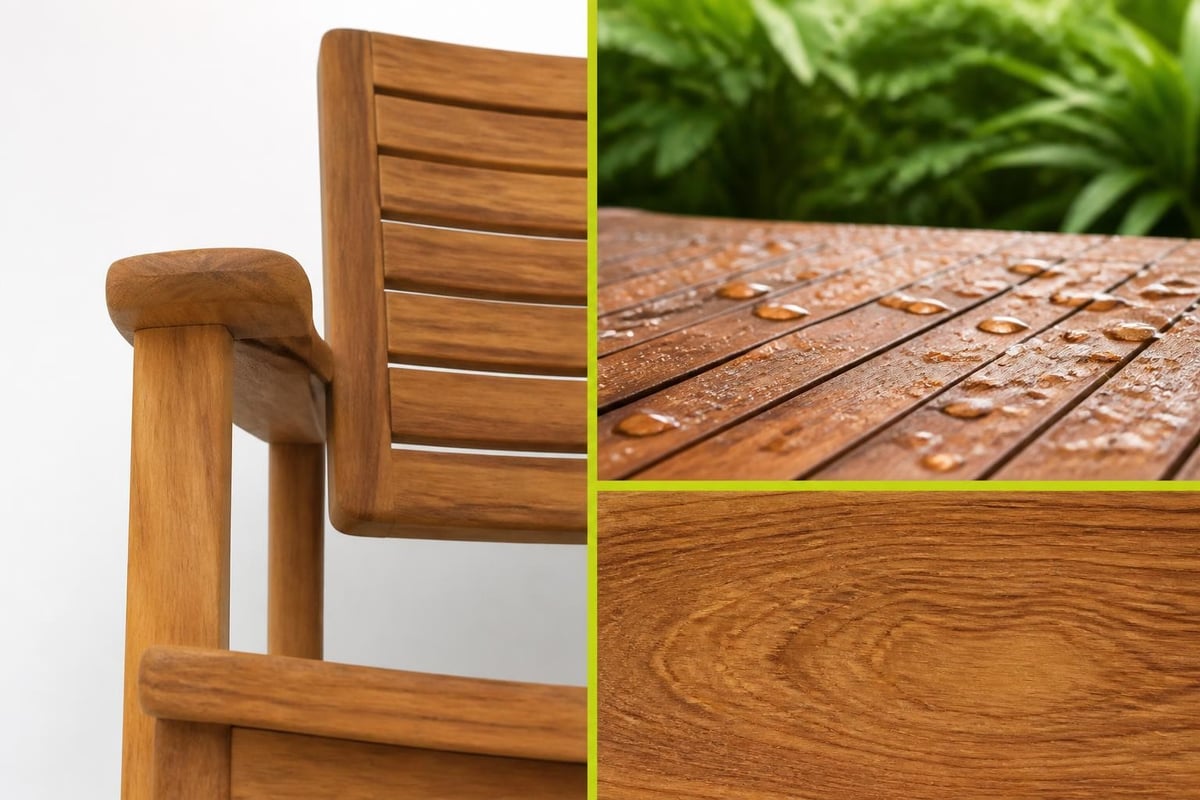
- High natural oil content repels water and prevents warping
- Dense grain structure resists splitting and cracking
- Natural silica protects against termites and other wood-boring insects
- Dimensional stability maintains shape through humidity fluctuations
The chemical compounds found in teak heartwood include tectoquinone and other extractives that actively resist fungal decay. This means a well-made teak wood bench can sit exposed on your Sai Kung terrace through monsoon season and emerge structurally sound, requiring minimal intervention.
Plantation Teak vs. Old-Growth Teak
Not all teak performs identically. Old-growth teak, harvested from natural forests in Myanmar and Thailand, exhibits the highest oil content and tightest grain. However, environmental concerns and export restrictions have made this material increasingly rare and expensive.
Plantation-grown teak now dominates the market. Trees cultivated in Indonesia, India, and Latin America reach harvestable size in 25-40 years, compared to 80+ years for natural forest teak.
| Characteristic | Old-Growth Teak | Plantation Teak |
|---|---|---|
| Oil content | Very high | Moderate to high |
| Grain density | Extremely tight | Varies by origin |
| Color consistency | Rich golden-brown | Can vary more widely |
| Durability | Exceptional (50+ years) | Excellent (30+ years) |
| Price point | Premium | More accessible |
| Sustainability concerns | Limited legal supply | Renewable if certified |
For most Hong Kong applications, high-quality plantation teak delivers outstanding performance. The key is choosing benches made from properly aged heartwood rather than faster-growing sapwood, which contains less protective oil.
Selecting a Quality Teak Wood Bench
Walking through furniture showrooms in Ap Lei Chau or browsing online collections, you'll encounter teak benches at vastly different price points. Understanding construction details helps you distinguish true value from inflated markup.
Construction Quality Indicators
Joint construction matters tremendously. Look for mortise-and-tenon joints secured with marine-grade stainless steel or brass hardware. These traditional joinery methods create stronger connections than simple screws or dowels, ensuring your bench withstands years of use without loosening.
Timber grade affects longevity. Grade A teak comes from the heartwood center of mature trees, offering maximum oil content and weather resistance. Grade B includes some sapwood and younger growth, while Grade C incorporates significant sapwood with lower natural protection. For Hong Kong's demanding climate, investing in Grade A construction pays dividends.
Finishing impacts appearance and maintenance. Many manufacturers apply a light sealant or oil to showcase teak's golden hue at purchase. Others leave the wood completely untreated, allowing natural weathering from day one. Neither approach is inherently superior, but understanding what you're buying helps set realistic expectations for how your teak wood bench will age.
Design Considerations for Hong Kong Spaces
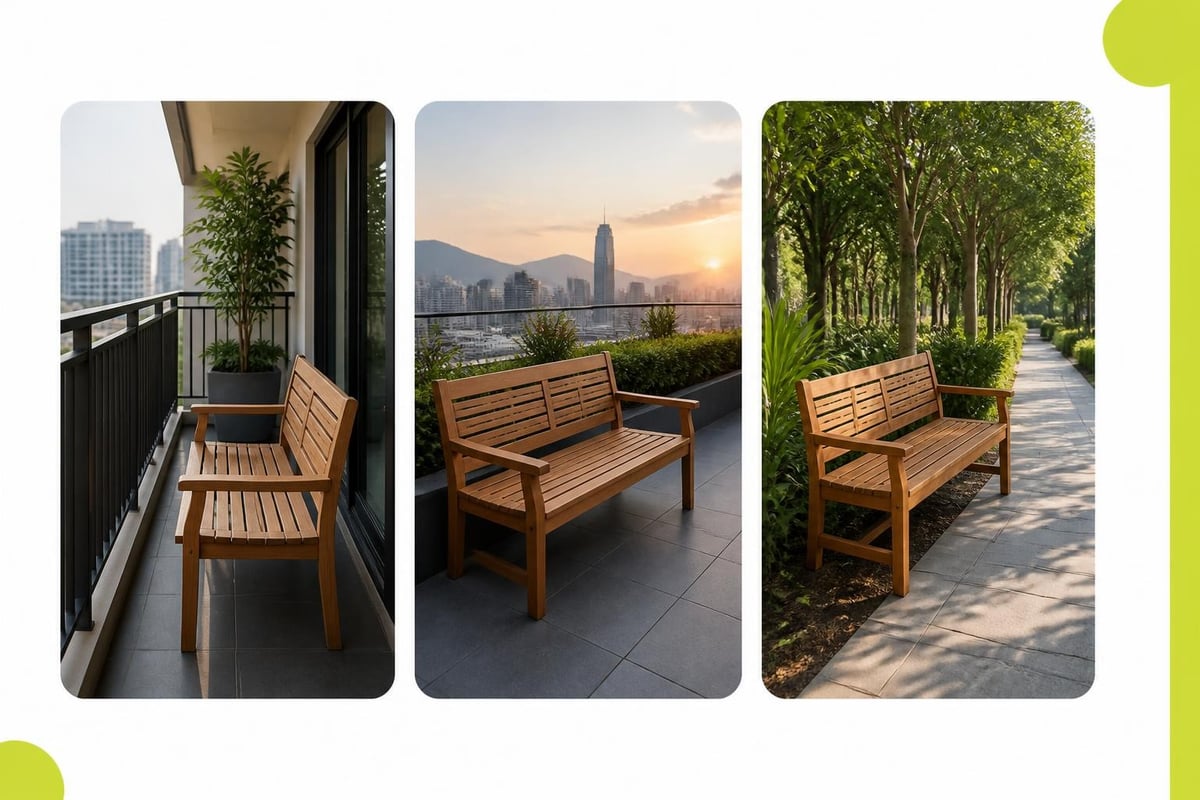
Hong Kong's compact outdoor areas reward thoughtful furniture selection. A teak wood bench works beautifully in various configurations:
- Two-seater benches (120-130cm) suit balconies in Tai Hang or Kennedy Town
- Three-seater models (150-180cm) fit gardens and rooftop terraces
- Backless benches double as occasional tables for entertaining
- Curved or angled designs soften formal garden layouts
- Built-in storage compartments maximize functionality in tight spaces
Consider traffic flow around the bench. Leave at least 60cm clearance for comfortable passage, more if the bench sits along a primary pathway.
Responsible Sourcing and Certification
The teak industry faces ongoing challenges with illegal logging and supply chain integrity. Investigations into teak sourcing have revealed instances where timber labeled as plantation-grown actually originated from protected natural forests.
What Certifications Mean
Forest Stewardship Council (FSC) certification provides the most rigorous verification that teak comes from responsibly managed forests. FSC-certified suppliers undergo regular audits covering environmental protection, workers' rights, and community relations.
Programme for the Endorsement of Forest Certification (PEFC) offers another recognized standard, particularly common for European-managed plantations.
No certification doesn't automatically mean questionable sourcing, but it does place more burden on you to verify origin through supplier documentation and transparency.
When purchasing a teak wood bench in Hong Kong, ask retailers:
- Where was the timber harvested?
- What certifications does the supplier hold?
- Can they provide chain-of-custody documentation?
- How long has the wood been seasoned before construction?
Reputable furniture specialists will answer these questions readily. Hesitation or vague responses should raise concerns about supply chain integrity. The FAO's research on global teak resources provides helpful context on plantation management practices and regional supply dynamics.
Caring for Your Teak Wood Bench
One of teak's greatest advantages is its low-maintenance nature. Unlike other hardwoods that require annual sealing or frequent refinishing, a teak wood bench can thrive with minimal intervention.
Natural Weathering Process
Untreated teak exposed to Hong Kong's elements undergoes a gradual color transformation. The initial honey-golden tone slowly fades over 6-12 months, developing a silvery-gray patina. This weathered appearance is entirely natural and doesn't indicate deterioration. The wood beneath remains structurally sound and fully protected by its internal oils.
Many homeowners love this aged aesthetic, which evokes a relaxed, lived-in garden character. Others prefer maintaining the original golden color through periodic treatment.
Maintenance Approaches
Minimal intervention approach:
- Clean with mild soap and water twice yearly
- Use a soft brush to remove debris from grain
- Allow natural silvering to develop
- No oils, sealers, or special treatments needed
Preservation approach:
- Clean thoroughly before treatment
- Apply teak oil or sealer annually (best done in October-November)
- Buff to even finish after oil absorption
- Expect richer golden-brown color retention
Neither method is objectively better. Your choice depends purely on aesthetic preference. The Royal Horticultural Society's furniture care guidance offers detailed protocols for both approaches, noting that structural integrity remains excellent regardless of color.
Addressing Common Issues
Black spots or mildew growth can appear during Hong Kong's humid summer months, particularly in shaded areas with poor air circulation. Mix water with white vinegar (1:1 ratio) and scrub affected areas with a soft brush. Rinse thoroughly and allow complete drying.
Small scratches or scuffs often blend naturally as the wood weathers. For deeper gouges in prominent locations, fine-grade sandpaper (220-grit) can smooth the area before applying teak oil to blend the repair.
Loose hardware should be tightened annually. Check all bolts, screws, and joint connections each autumn before the cooler, drier season arrives.
Styling Your Teak Wood Bench
A well-placed teak wood bench becomes an anchor piece that organizes and elevates your entire outdoor setting. Its warm tones and clean lines complement both traditional and contemporary design schemes.
Placement Strategies
Garden focal points: Position your bench to face a prized view - harbor vistas from your Repulse Bay garden, verdant hillside scenes in Clearwater Bay, or simply a beautiful planting bed. This creates a natural destination within the landscape and encourages regular use.
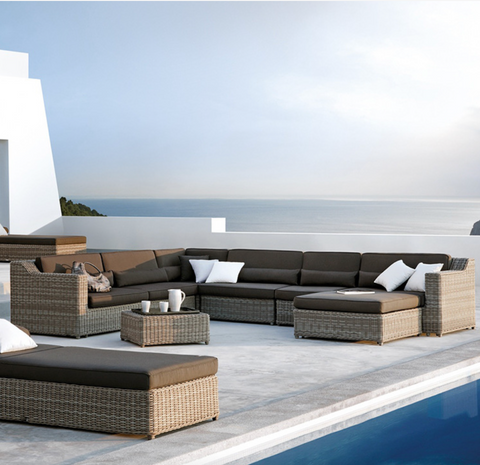
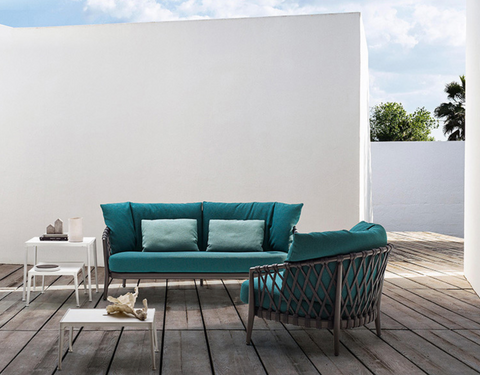
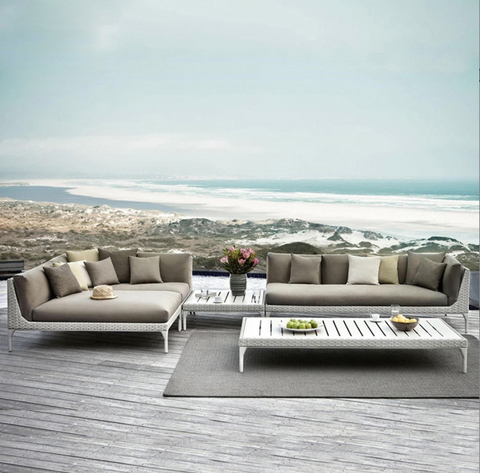
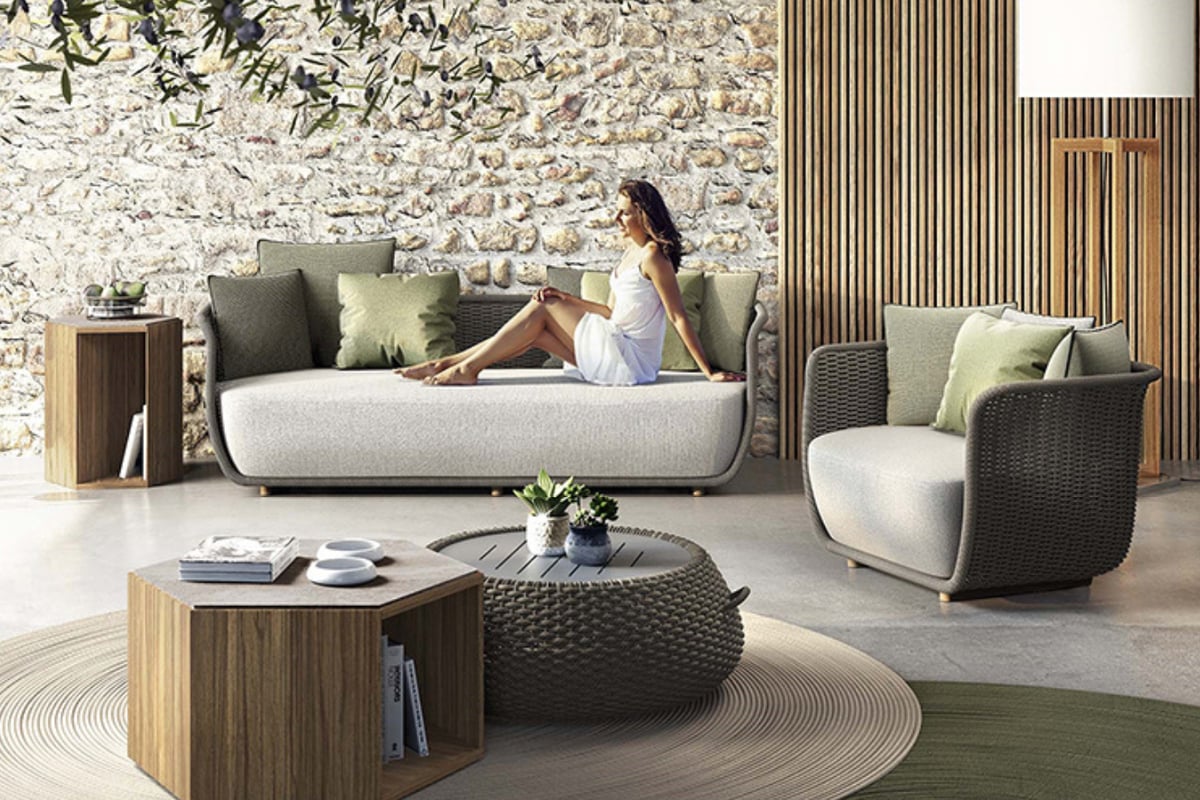
Conversation areas: Pair a teak wood bench with complementary seating to build intimate gathering spaces. Many of our clients successfully combine teak benches with outdoor sofas upholstered in weather-resistant fabrics to create flexible entertaining zones that work for both casual family time and formal dinner parties.
Transitional zones: Place benches near doorways leading from indoor to outdoor spaces, creating a natural pause point. This works particularly well on covered balconies and rooftop terraces where the bench provides shelter while maintaining connection to the open air.
Complementary Elements
| Element | Purpose | Recommended Materials |
|---|---|---|
| Cushions | Comfort, color accent | UV-resistant outdoor fabric, quick-dry foam |
| Side tables | Drink placement, books | Teak, powder-coated aluminum, stone |
| Planters | Soften lines, add greenery | Ceramic, fiber clay, galvanized metal |
| Lighting | Extend evening use | LED path lights, lanterns, string lights |
| Outdoor rugs | Define space, add texture | Polypropylene, recycled plastic weave |
Cushion selection deserves special attention. Hong Kong's humidity means standard indoor cushions will quickly develop mold and musty odors. Choose marine-grade fabrics with antimicrobial treatments and open-cell foam that drains water rather than absorbing it. Store cushions indoors during extended rainy periods or invest in a weatherproof storage box.
Color palettes work best when they echo your surrounding environment. Coastal properties in Stanley or Sai Kung benefit from blues, whites, and sandy neutrals that mirror sea and sky. Urban rooftops in Central or Wan Chai often embrace bolder jewel tones that stand out against concrete and glass.
Teak Wood Bench Styles and Forms
Modern manufacturers offer diverse interpretations of the classic teak wood bench, ranging from formal traditional designs to sleek minimalist statements.
Classic Garden Bench
The quintessential slatted-back design remains popular for good reason. Horizontal slats provide comfortable lumbar support while allowing air circulation and water drainage. Arms offer support when sitting or standing. This style suits heritage properties, colonial-era buildings, and formal gardens throughout Hong Kong Island and Kowloon.
Contemporary Minimalist Bench
Clean-lined designs with simple rectangular profiles appeal to modern aesthetics. These benches often feature thicker timber sections with fewer, wider slats. The streamlined appearance complements contemporary architecture common in new developments across Tseung Kwan O, Tung Chung, and Lohas Park.
Curved and Organic Forms
Some designers create benches with gentle curves, angled backs, or asymmetrical elements that add visual interest. These artistic pieces work beautifully as standalone sculptural elements in minimalist gardens or as unexpected accents in otherwise traditional settings.
Backless Meditation Benches
Growing interest in outdoor meditation and yoga has popularized simple backless benches. Lower height and generous width create stable seating for floor-based practices while maintaining versatility as impromptu side tables or display platforms.
Long-Term Value and Investment
A quality teak wood bench represents significant upfront investment compared to synthetic alternatives or softer woods. Understanding the long-term value proposition helps justify the price difference.
Durability Economics
Consider a Grade A teak bench costing HK$8,000 versus a treated pine bench at HK$2,000. The pine bench may need replacement after 5-7 years due to rot, splitting, or structural failure in Hong Kong's climate. The teak bench will likely serve 30+ years with basic care, potentially lasting 50+ years with excellent maintenance.
Cost per year of service:
- Teak bench: HK$267 annually (based on 30-year lifespan)
- Pine bench (replaced every 6 years): HK$333 annually
The teak option actually costs less over time while requiring less maintenance effort and avoiding the inconvenience of replacement.
Aesthetic Aging
Unlike many materials that deteriorate visually as they age, teak develops character. The silvery patina many pieces acquire becomes part of their appeal, telling the story of seasons weathered and gatherings hosted. For homeowners who appreciate materials that improve with age, this represents aesthetic value that complements financial value.
Research into teak's decay resistance confirms that plantation teak maintains structural integrity for decades when used in outdoor applications, with heartwood showing exceptional performance even in direct ground contact.
Integration with Broader Garden Design
A teak wood bench shouldn't exist in isolation. Successful outdoor spaces weave furniture, plantings, hardscaping, and architectural elements into cohesive compositions.
Plant Pairings
Fragrant companions enhance the sensory experience of sitting outdoors. Position your bench near:
- Star jasmine (Trachelospermum jasminoides) with evening fragrance
- Gardenias that thrive in Hong Kong's acidic soil
- Osmanthus fragrans offering sweet autumn blooms
- Citrus trees providing fruit, flowers, and scent
Screening plants create privacy without blocking airflow, essential for comfortable seating in dense urban environments:
- Bamboo varieties (clumping types to avoid invasive spread)
- Podocarpus macrophyllus (Buddhist pine)
- Ficus microcarpa (Chinese banyan, properly maintained)
- Rhapis excelsa (lady palm) for shaded areas
Textural contrasts make simple plantings more interesting when viewed from a seated position. Pair feathery ferns with bold-leafed hostas, or combine fine ornamental grasses with structural succulents.
Hardscape Context
The materials surrounding your teak wood bench influence its visual impact and practical performance:
- Natural stone paving (granite, slate, sandstone) complements teak's organic character
- Concrete pavers in warm gray tones provide modern contrast
- Decomposed granite or pea gravel creates permeable surfaces with casual appeal
- Wooden decking (especially matching teak) delivers seamless integration
Ensure proper drainage around bench placement. Standing water accelerates weathering and creates slip hazards. Grade surfaces away from seating areas or install subtle drains to manage Hong Kong's heavy rainfall.
Sustainable Teak Supply Chains
Growing consumer awareness about forest conservation has pushed the teak industry toward greater transparency and sustainability. Several initiatives now work to verify legal harvest and responsible management.
Regional programs in the Greater Mekong focus on enhancing conservation while supporting legal wood supply chains, particularly important given Southeast Asia's role as a major teak source.
Traceability Technologies
Advanced verification tools help distinguish legal plantation teak from illegally logged material. Forensic timber verification methods including DNA analysis and isotope testing can confirm origin claims, giving conscientious buyers additional confidence.
When selecting a teak wood bench in Hong Kong, purchasing from established retailers who maintain relationships with certified suppliers provides the best assurance of responsible sourcing. These businesses typically invest in supply chain documentation and can trace individual pieces back to specific plantations.
Supporting Responsible Forestry
Your purchasing decisions influence global forestry practices. By choosing certified teak products, you signal market demand for responsible management. This economic incentive encourages plantation operators to pursue certification and maintain sustainable harvest practices.
Several Hong Kong furniture specialists now prioritize FSC-certified materials across their collections, making it easier for environmentally conscious consumers to align purchases with values. As you explore options for teak outdoor furniture, ask about certification and be willing to pay modest premiums for verified sustainable sourcing.
Comparing Teak to Alternative Materials
Understanding how a teak wood bench compares to other outdoor seating materials helps clarify whether teak suits your specific needs, budget, and aesthetic preferences.
Natural Wood Alternatives
Eucalyptus offers similar appearance at lower cost but requires more frequent sealing and typically lasts 10-15 years in Hong Kong's climate versus teak's 30+ year lifespan.
Acacia provides attractive grain patterns and good initial weather resistance, though natural oils deplete faster than teak's, demanding more maintenance attention.
Cedar contains natural oils that resist decay, but performs better in cooler climates. Hong Kong's intense humidity and heat can overwhelm cedar's defenses more quickly than teak's.
Synthetic Materials
Recycled plastic lumber requires zero maintenance and lasts indefinitely but lacks teak's natural warmth and develops surface scratches that accumulate dirt.
Powder-coated aluminum delivers contemporary aesthetics with excellent weather resistance, though metal surfaces can become uncomfortably hot in direct summer sun.
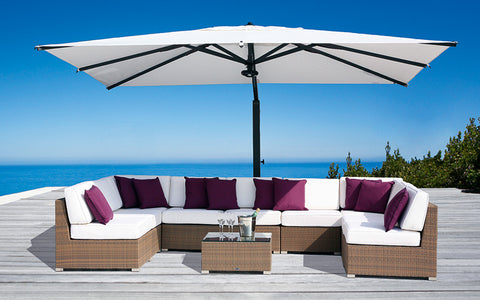
All-weather wicker over aluminum frames provides comfortable contouring but doesn't offer the same timeless aesthetic that makes a teak wood bench such a enduring investment piece.
For homeowners seeking additional seating options beyond traditional benches, exploring resources about different outdoor furniture materials provides helpful context for making informed decisions across your entire outdoor furnishing plan.
Year-Round Enjoyment in Hong Kong
While Hong Kong's summer heat often drives people indoors, strategic placement and complementary elements extend the usable season for your teak wood bench.
Shade solutions protect both users and furniture:
- Retractable awnings that deploy for afternoon sun
- Permanent pergolas with climbing vines (wisteria, bougainvillea)
- Large parasols in weatherproof fabrics
- Strategic tree plantings for dappled shade
Microclimate management improves comfort during hot months:
- Misting systems create evaporative cooling
- Overhead fans circulate air on covered terraces
- Water features add psychological and actual cooling effects
- Light-colored paving reflects less heat than dark surfaces
Winter and spring offer ideal conditions for outdoor living in Hong Kong. November through April typically delivers comfortable temperatures, lower humidity, and minimal rainfall, perfect weather for enjoying morning coffee or evening reading sessions on your teak wood bench.
A quality teak wood bench brings decades of reliable service and timeless beauty to Hong Kong outdoor spaces, standing up to our challenging subtropical climate while requiring minimal care. Whether you're creating a peaceful garden retreat or a sophisticated rooftop entertaining area, the right teak seating anchors your design with warmth and lasting quality. Hong Kong Outdoor Furniture offers expertly curated collections of premium outdoor pieces designed specifically for Hong Kong's climate, including teak benches and complete furnishing solutions for balconies, gardens, rooftops, and poolside areas. Explore the possibilities for transforming your outdoor space into a welcoming extension of your home.