

Wooden Garden Bench Guide for Hong Kong Outdoor Spaces
A wooden garden bench transforms any outdoor space into a welcoming retreat where you can enjoy your morning coffee, read a book, or simply take in the views of Hong Kong's stunning skyline. Whether you're furnishing a rooftop terrace in Mid-Levels, a private garden in Sai Kung, or a compact balcony in Kowloon, choosing the right bench involves understanding how different wood types perform in our subtropical climate, what design styles complement Hong Kong's diverse architectural landscape, and how to position your seating for maximum enjoyment. This comprehensive guide walks you through everything you need to know about selecting, styling, and caring for a wooden garden bench that will serve you beautifully for years to come.
Understanding Wood Types for Hong Kong's Climate
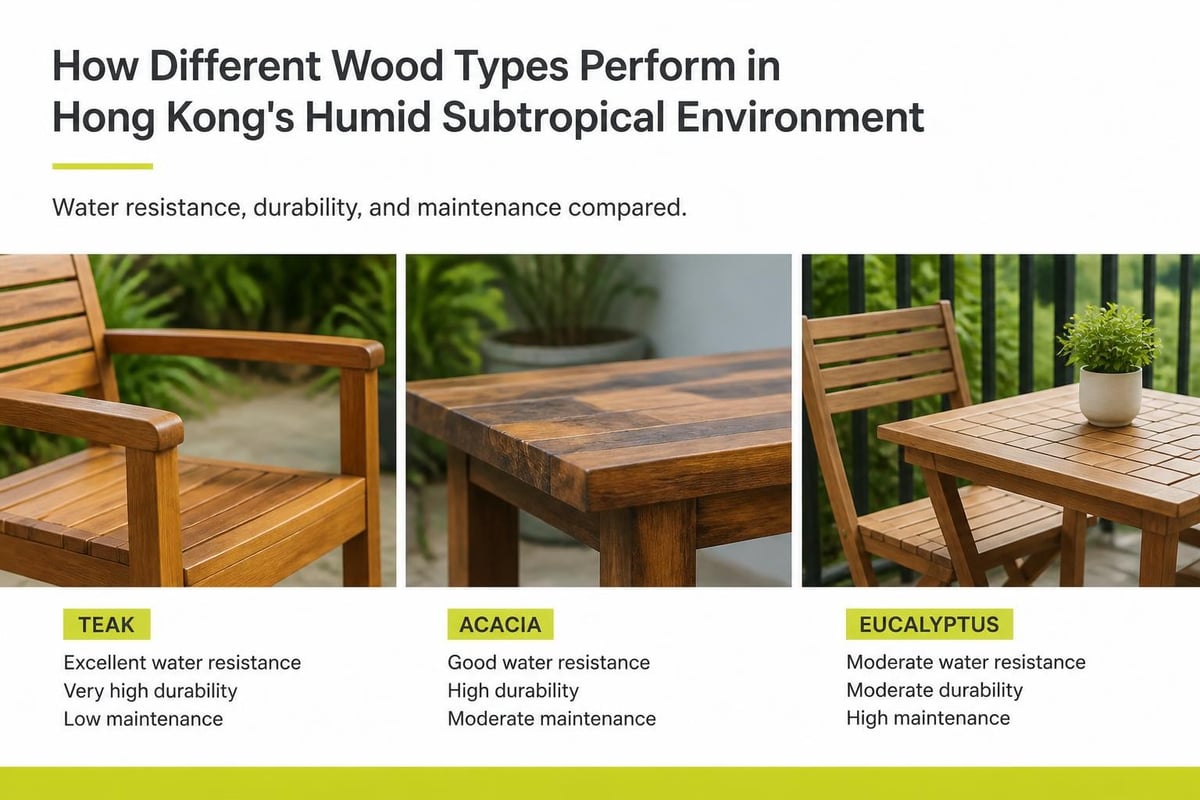
Hong Kong's humid subtropical climate presents unique challenges for outdoor furniture. Our year-round humidity, summer typhoons, and occasional winter cold snaps demand careful material selection.
Teak: The Gold Standard
Teak stands as the premier choice for a wooden garden bench in Hong Kong. This tropical hardwood naturally produces oils that repel water, resist rot, and prevent insect damage. The dense grain structure means teak can withstand our humidity without warping or splitting.
Key advantages of teak include:
- Natural water resistance without treatment
- Exceptional durability lasting 25+ years
- Develops a beautiful silver patina over time
- Minimal maintenance requirements
- Sustainable when sourced from certified plantations
The investment in teak pays dividends through longevity. While the initial cost runs higher than other woods, the lack of replacement needs makes it economical over time.
Acacia: The Budget-Friendly Alternative
Acacia wood offers excellent value for Hong Kong homeowners seeking quality without teak's premium price. This hardwood shares many beneficial properties, though it requires more diligent care.
| Feature | Teak | Acacia | Eucalyptus |
|---|---|---|---|
| Water Resistance | Excellent | Good | Good |
| Durability | 25+ years | 10-15 years | 8-12 years |
| Maintenance | Low | Medium | Medium |
| Price Point | High | Medium | Medium-Low |
| Natural Oils | High | Medium | Low |
Acacia performs well in our climate when properly sealed. Annual treatment with appropriate outdoor wood oil preserves its warm honey tones and protects against moisture penetration.
Woods to Approach With Caution
Some popular woods struggle in Hong Kong's environment. Pine and cedar, while beautiful, lack the density and natural oils needed to resist our persistent humidity. These softwoods absorb moisture readily, leading to expansion, contraction, and eventual rot.
Design Styles That Complement Hong Kong Spaces
Your wooden garden bench should harmonize with both your outdoor environment and your home's architectural character. Hong Kong's diverse building styles, from colonial-era structures to sleek modern towers, call for thoughtful design choices.
Classic Colonial Elegance
Traditional slatted benches with rolled arms evoke the timeless charm of Hong Kong's heritage buildings. These designs work beautifully in established gardens throughout the New Territories or on verandas in Stanley and Repulse Bay.
The classic three-seater bench typically measures 150-180cm in length, providing comfortable seating for two to three people. Look for designs with gentle curves in the backrest that support natural posture during extended sitting.
Contemporary Minimalist Lines
Modern Hong Kong apartments and townhouses benefit from streamlined bench designs. Clean horizontal slats, minimal ornamentation, and geometric precision create visual harmony with contemporary architecture.
Popular minimalist features:
- Flat, wide armrests that double as side tables
- Low-profile backrests for unobstructed views
- Integrated cushion channels
- Metal accent hardware in brushed steel or bronze
These designs particularly suit rooftop terraces where you want furniture that enhances rather than competes with panoramic city views.
Space-Saving Designs for Compact Areas
Many Hong Kong homes feature limited outdoor space. A wooden garden bench designed for smaller areas maximizes functionality without overwhelming your balcony or terrace.
Consider benches with built-in storage compartments beneath the seat. These dual-purpose pieces provide seating while storing cushions, gardening tools, or outdoor accessories. Backless bench designs also work well, offering seating from either side and creating more flexible arrangements in tight quarters.
Strategic Placement for Maximum Enjoyment
Where you position your wooden garden bench dramatically impacts how often you'll use it and how long it lasts. Smart placement considers both practical and aesthetic factors.
Creating Conversation Areas
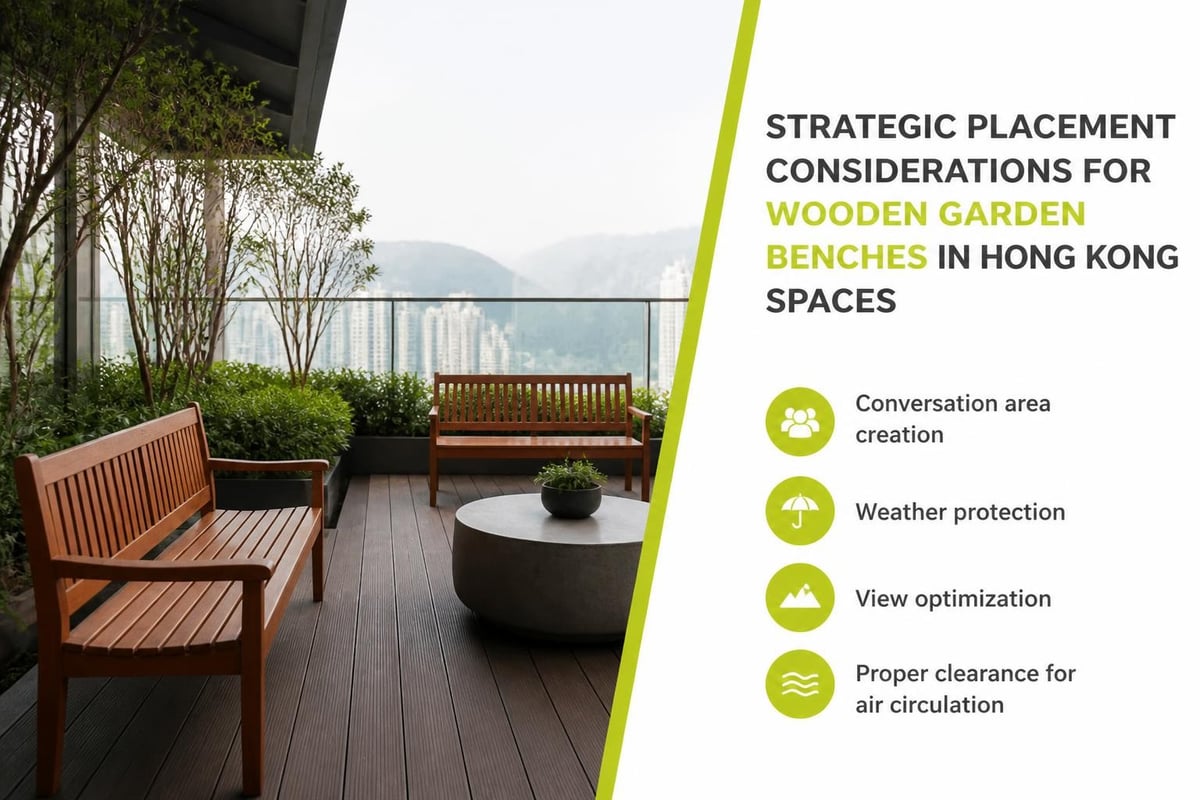
Position your bench to facilitate interaction. Pair it with additional seating from our outdoor furniture collections to create inviting conversation zones. Angle pieces slightly inward to encourage engagement while maintaining views.
In gardens, place benches where they overlook flowering plants or water features. On rooftops, orient seating toward the best vantage points, whether that's Victoria Harbour, Lion Rock, or your building's landscaped courtyard.
Protecting Your Investment
While you want accessible, enjoyable placement, some protection from Hong Kong's weather extremes extends your bench's lifespan. Partial shade prevents excessive sun exposure that can dry out even weather-resistant woods. Positioning under pergolas, large parasols, or building overhangs provides shelter during sudden downpours.
Avoid placing wooden benches directly against walls where trapped moisture can accelerate deterioration. Leave 10-15cm clearance for air circulation. Similarly, elevate benches slightly above ground level using adjustable feet or paving stones to prevent water pooling underneath.
Essential Maintenance for Hong Kong Conditions
Our climate demands proactive care to keep your wooden garden bench looking beautiful. Regular maintenance prevents problems rather than reacting to damage.
Cleaning Protocols
- Weekly quick clean: Wipe down with a soft, damp cloth to remove surface dust and pollen
- Monthly deep clean: Scrub gently with mild soap solution and soft brush
- Seasonal treatment: Apply appropriate wood oil or sealer as temperatures moderate
- Annual inspection: Check joints, hardware, and overall structural integrity
Never use pressure washers on wooden furniture. The intense water pressure forces moisture deep into grain structures, causing internal damage that manifests months later as cracking or splitting.
Dealing With Hong Kong's Humidity
Humidity presents the primary challenge for wooden outdoor furniture here. Even naturally resistant woods benefit from protective measures during our wettest months.
Humidity management strategies:
- Apply breathable sealants that allow moisture escape
- Ensure adequate ventilation around all surfaces
- Remove cushions during extended rainy periods
- Wipe off standing water promptly after storms
- Consider breathable furniture covers during typhoon season
The goal isn't creating an impermeable barrier but rather helping wood manage moisture absorption and release naturally. Quality teak and treated acacia develop equilibrium with ambient humidity when properly maintained.
Restoring Weathered Wood
Even well-maintained wooden benches develop a silvery-gray patina over time. Many people love this aged appearance, but if you prefer the original warm tones, restoration is straightforward.
| Step | Process | Products Needed |
|---|---|---|
| 1. Clean | Remove dirt, mildew, debris | Soft brush, mild cleaner |
| 2. Brighten | Restore original color | Wood brightener solution |
| 3. Sand | Smooth surface (if needed) | Fine-grit sandpaper (220) |
| 4. Seal | Protect and enhance color | Teak oil or hardwood sealer |
| 5. Cure | Allow complete absorption | 24-48 hours dry time |
Perform restoration during Hong Kong's drier winter months when humidity levels drop and wood can properly absorb treatments.
Enhancing Comfort and Style
A wooden garden bench provides the foundation, but thoughtful accessories elevate both comfort and visual appeal. Strategic additions transform basic seating into your favorite outdoor retreat.
Cushion Selection for Outdoor Use
Outdoor cushions designed for Hong Kong's climate use quick-drying foam cores wrapped in UV-resistant, water-repellent fabrics. Sunbrella and similar performance textiles resist fading, mildew, and moisture absorption.
Cushion considerations:
- Thickness: 5-8cm provides comfort without excessive bulk
- Ties or Velcro: Secure cushions during windy conditions
- Removable covers: Washable fabrics maintain freshness
- Storage solutions: Weatherproof boxes protect cushions when not in use
Choose colors that complement your space while hiding minor dirt. Medium tones in grays, blues, or earth tones prove more practical than stark white in Hong Kong's dusty urban environment.
Creating Integrated Outdoor Living
Your wooden garden bench works best as part of a cohesive outdoor living space. Consider how it relates to other elements in your garden, terrace, or balcony.
Pair your bench with appropriate side tables for drinks and books. Small outdoor patio sets complement benches beautifully, creating versatile arrangements that accommodate both quiet solitude and social gatherings.
Add ambient lighting through solar path lights, string lights, or lanterns that extend evening enjoyment. Position potted plants strategically to frame your seating area while maintaining sightlines to key views. Even compact balconies benefit from this layered approach to outdoor design.
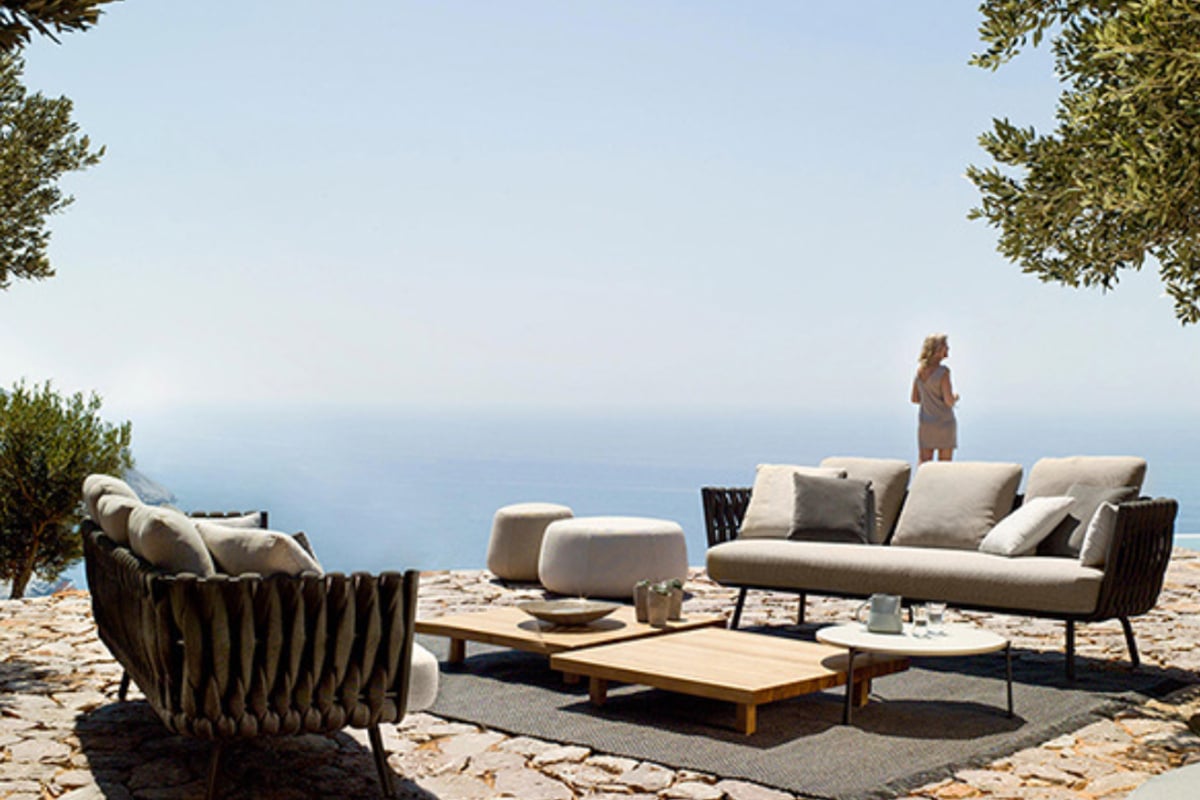
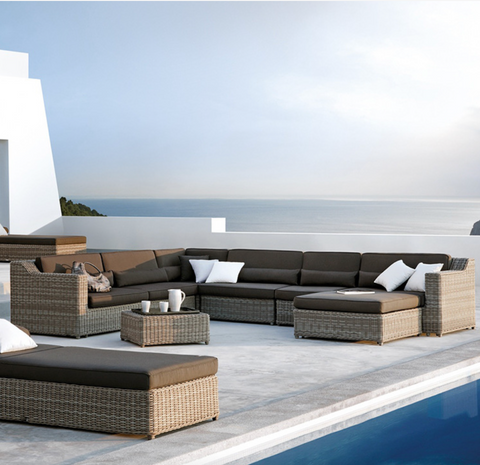
While a wooden garden bench offers classic appeal for many spaces, some Hong Kong terraces and gardens benefit from the enhanced comfort and contemporary style of comprehensive seating collections. Our premium outdoor sofa sets provide weather-resistant luxury that complements traditional wooden benches or serves as a complete seating solution for larger outdoor areas.
Sustainability and Environmental Considerations
Choosing a wooden garden bench involves environmental responsibility alongside aesthetic and practical concerns. Hong Kong's proximity to both threatened forests and sustainable plantations makes sourcing decisions particularly important.
Certified Sustainable Wood Sources
Look for certifications that verify responsible forestry practices. The Forest Stewardship Council (FSC) and Programme for the Endorsement of Forest Certification (PEFC) ensure wood comes from well-managed forests where harvesting doesn't exceed growth rates.
Sustainable teak plantations in Indonesia and Thailand now supply much of the quality outdoor furniture market. These operations plant more trees than they harvest, supporting long-term forest health while providing superior wood products.
Longevity as Sustainability
The most sustainable choice often means buying quality once rather than replacing inferior products repeatedly. A well-crafted wooden garden bench from durable hardwood, properly maintained, serves multiple generations.
Calculate environmental impact over the furniture's entire lifespan. That teak bench lasting 30 years carries far less environmental cost than three inferior benches replaced every decade, each requiring manufacturing, shipping, and disposal.
Local Assembly and Import Considerations
Some manufacturers import quality wood and perform final assembly in Hong Kong, reducing shipping volumes while supporting local craftsmanship. This approach balances access to premium materials with reduced transportation emissions.
When evaluating options, consider the complete supply chain. Hong Kong's outdoor furniture retailers increasingly provide transparency about sourcing and manufacturing processes, helping you make informed choices aligned with your values.
Size and Scale for Hong Kong Spaces
Hong Kong's varied outdoor spaces, from expansive village house gardens to compact high-rise balconies, require different bench proportions. Getting the scale right ensures your wooden garden bench enhances rather than overwhelms your space.
Measuring Your Space
Before selecting a bench, measure your available area carefully. Account for circulation space around the furniture. You need at least 60-80cm clearance in front of seating for comfortable leg extension and easy passage.
Standard wooden garden bench dimensions:
- Two-seater: 120-140cm length × 60cm depth × 85-90cm height
- Three-seater: 150-180cm length × 60cm depth × 85-90cm height
- Loveseat: 100-120cm length × 60cm depth × 85-90cm height
Depth measurements include backrest, with seat depth typically around 40-45cm. Height references ground to top of backrest, with seat heights usually 40-45cm for comfortable sitting.
Proportion and Visual Balance
A bench shouldn't dominate small spaces or disappear in large ones. For balconies under 10 square meters, consider loveseats or compact two-seater designs. Gardens and terraces exceeding 20 square meters can accommodate larger three-seater benches or multiple smaller pieces.
Position your wooden garden bench where it creates purposeful zones within your outdoor area. Use it to define boundaries between dining and lounging spaces, or to create intimate corners in larger gardens. The furniture's physical presence should feel intentional rather than randomly placed.
Adjustable and Modular Options
Some contemporary designs offer flexibility through modular components or adjustable features. Benches with removable center armrests convert between two separate seats and one continuous piece. Others feature extendable sections that adapt to different numbers of users.
These versatile designs particularly suit Hong Kong residents who may relocate between different-sized spaces throughout their lives. The bench that perfectly fits your current balcony can reconfigure for your next home's garden.
Investment and Value Considerations
Quality wooden garden benches represent significant investments. Understanding pricing factors helps you evaluate options and identify genuine value versus inflated costs.
Price Range Expectations (2026 Hong Kong Market)
- Premium teak benches: HK$8,000-20,000+ for three-seater designs
- Quality acacia benches: HK$3,500-8,000 for comparable sizes
- Eucalyptus or mixed hardwood: HK$2,000-5,000 depending on construction
These ranges reflect benches from reputable manufacturers using quality materials and construction. Prices below these levels often indicate compromised wood quality, poor joinery, or inadequate finishing.
Evaluating Construction Quality
Examine these quality indicators:
- Mortise and tenon joinery rather than simple screws
- Stainless steel or brass hardware resistant to corrosion
- Smooth, splinter-free finishes
- Consistent grain patterns indicating proper wood selection
- Stable construction without wobbling or flexing
Ask retailers about manufacturing processes and warranty coverage. Quality manufacturers stand behind their work with warranties covering structural integrity for 2-5 years, sometimes longer for premium teak pieces.
Long-Term Cost Analysis
Consider total cost of ownership beyond initial purchase price. A HK$12,000 teak bench requiring minimal maintenance over 25 years costs HK$480 annually. A HK$4,000 acacia bench needing replacement every 8 years costs HK$500 annually, not accounting for maintenance supplies and labor.
This analysis doesn't make one option universally superior, but it provides realistic perspective on value. Your budget, expected residence duration, and maintenance willingness all factor into the best choice for your situation.
Seasonal Considerations in Hong Kong
Hong Kong's distinct seasons, though subtle compared to temperate climates, still impact how you use and care for your wooden garden bench throughout the year.
Summer Protection Strategies
Our hot, humid summers from June through September demand particular attention. Direct sun exposure can surface-heat wood to uncomfortable levels and accelerate UV degradation.
Position benches in naturally shaded areas or create shade through pergolas, large parasols, or strategically planted trees. Light-colored cushions reflect rather than absorb heat, remaining cooler for sitting. Remove cushions during multi-day absences to prevent mildew growth in humid conditions.
Typhoon Season Preparations
Typhoon season typically runs from May through November, with peak activity in August and September. While you needn't relocate a heavy wooden garden bench for every tropical storm, super typhoons require precautions.
Secure loose cushions and accessories indoors. If your bench features movable components, position them in sheltered areas. Consider specialized outdoor furniture covers designed to withstand high winds through secure tie-down systems. For benches on high-rise balconies or exposed rooftops, temporary indoor storage during extreme weather warnings prevents damage and protects building facades below.
Winter Comfort Opportunities
Hong Kong's mild winters from December through February create perfect outdoor sitting weather. Daytime temperatures in the high teens make your wooden garden bench an inviting spot for morning coffee or afternoon reading.
Add warm-toned throw blankets and outdoor-safe pillows to extend comfortable use into cooler evenings. This season also provides ideal conditions for maintenance tasks like cleaning and re-oiling, as lower humidity allows proper product absorption and curing.
Selecting the perfect wooden garden bench for your Hong Kong outdoor space balances aesthetic preferences, practical durability requirements, and thoughtful maintenance commitments. Whether you choose premium teak for lifetime performance or quality acacia for near-term beauty, proper care and strategic placement ensure years of comfortable outdoor enjoyment. Hong Kong Outdoor Furniture offers expertly curated collections of premium outdoor furniture specifically designed to thrive in our subtropical climate, from elegant benches to complete outdoor living solutions that transform your terrace, garden, or balcony into a luxurious extension of your home.